




William Stopford
Next Nissan X-Trail coming to Australia in half the time its predecessor took
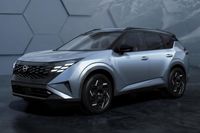
The next Nissan X-Trail is due in Australia late in 2027, meaning only a year's wait after the launch of its left-hand drive Rogue sibling.
21 Hours Ago
Hyundai Australia has confirmed its next-generation Tucson is due here in mid-2027 and won't offer any pure petrol powertrains, at least not at first.
Senior Editor – News
Senior Editor – News
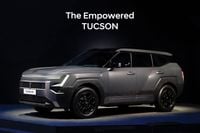
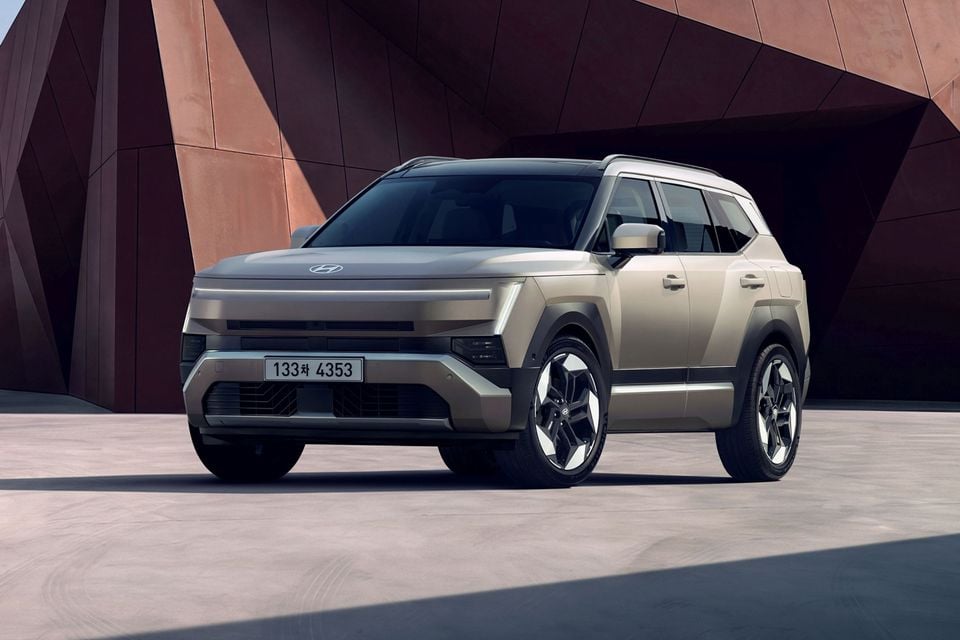
The next-generation Hyundai Tucson is due to arrive in Australia midway through 2027, and the all-new mid-size SUV will be launched with a hybrid powertrain only.
That release timing has shifted slightly in recent weeks, with Hyundai Australia having previously confirmed a launch in the first half of 2027.
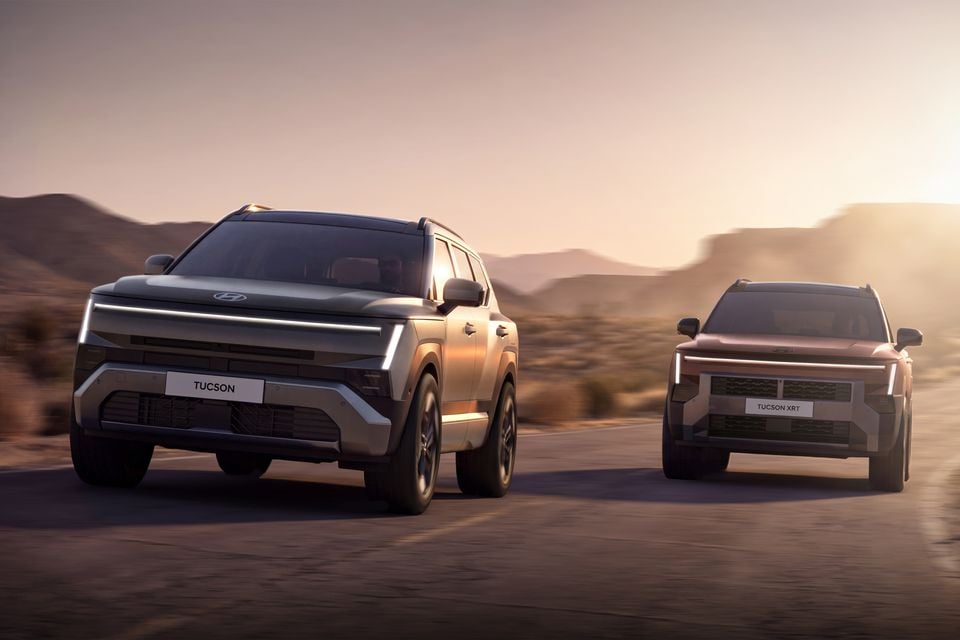
It’ll also mark the introduction of a more rugged XRT grade to our market, following the local launches of the Santa Fe XRT option package and the Palisade XRT Pro.
A more capable XRT Pro variant, however, will remain exclusive to North America, while a short-wheelbase body style, as with the outgoing generation, will be a Europe-only affair.
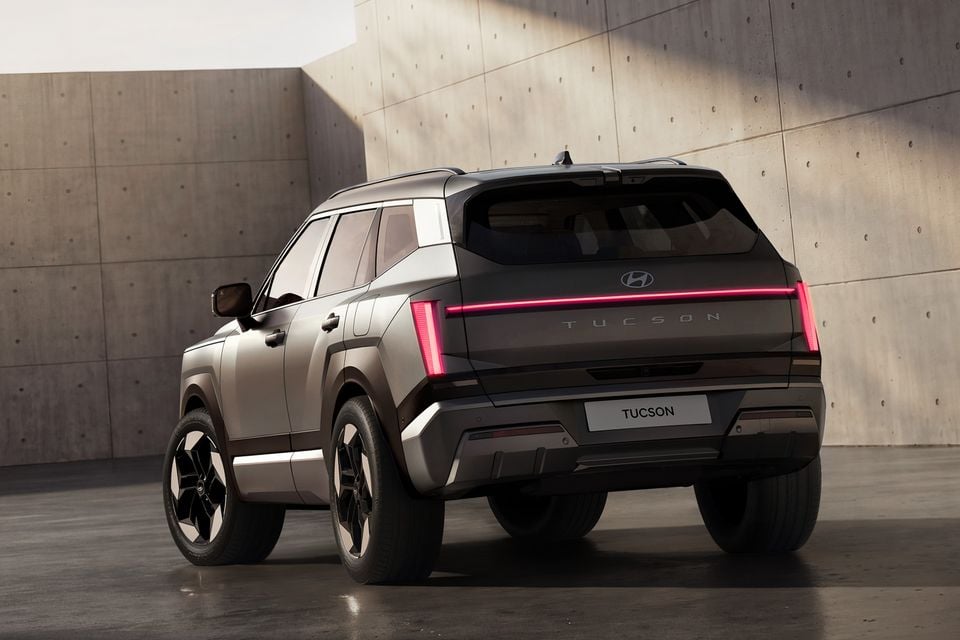
Hyundai has also teased the reveal of a new “sport-inspired variant” at the 2026 Paris motor show on October 12, though it hasn’t elaborated on what this will be.
Before it arrives Down Under, the Tucson will be launched in its home market of Korea later this year.
Australian-market Tucsons will continue to be sourced from Korea.
A next-generation turbocharged 1.6-litre four-cylinder petrol-electric powertrain will use a six-speed automatic transmission and a 1.49kWh battery, with front- or all-wheel drive hybrid variants available.
Total system outputs are 174kW-180kW of power and 380Nm of torque, with a claimed 0-60mph (0-96km/h) time of 8.5 seconds.
Hyundai has confirmed a WLTP CO2 emissions figure of 119g/km and fuel consumption of between 38mpg and 42mpg (5.6-6.2L/100km) on the US EPA combined cycle, depending on the specific variant.
Depending on the market, the Tucson will also continue to offer a choice of naturally aspirated 2.0-litre or turbocharged 1.6-litre four-cylinder petrol engines, the latter producing 137kW-142kW and 265Nm.
A turbo-petrol 1.6-litre plug-in hybrid four-cylinder powertrain will also continue to be offered overseas, with 81km of electric range on an unspecified test cycle.
It's unclear if additional powertrains will follow the hybrid here, though Hyundai Australia launched the current-generation Santa Fe and Palisade with hybrid power only before introducing petrol engines several months later.
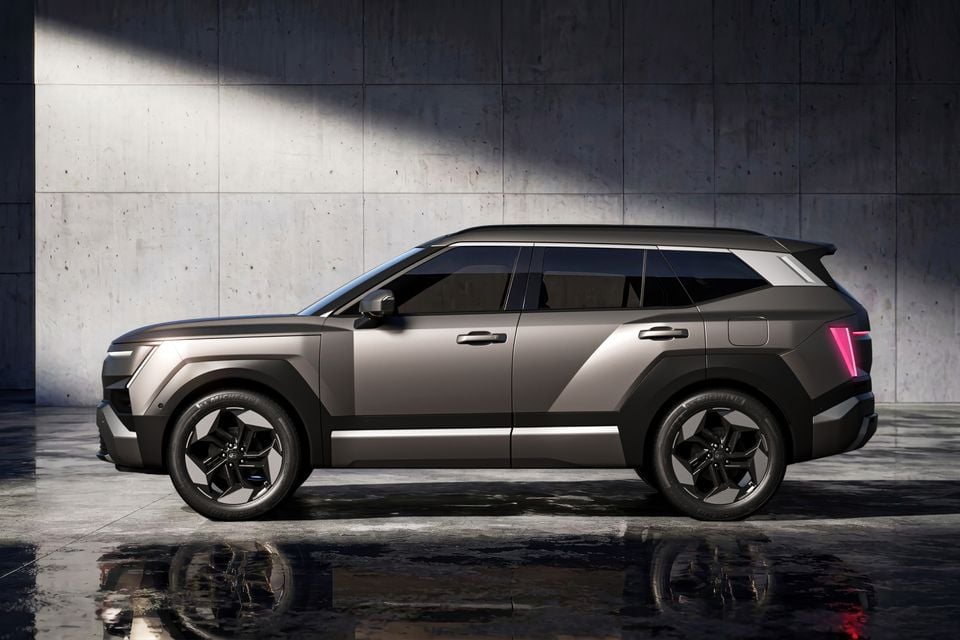
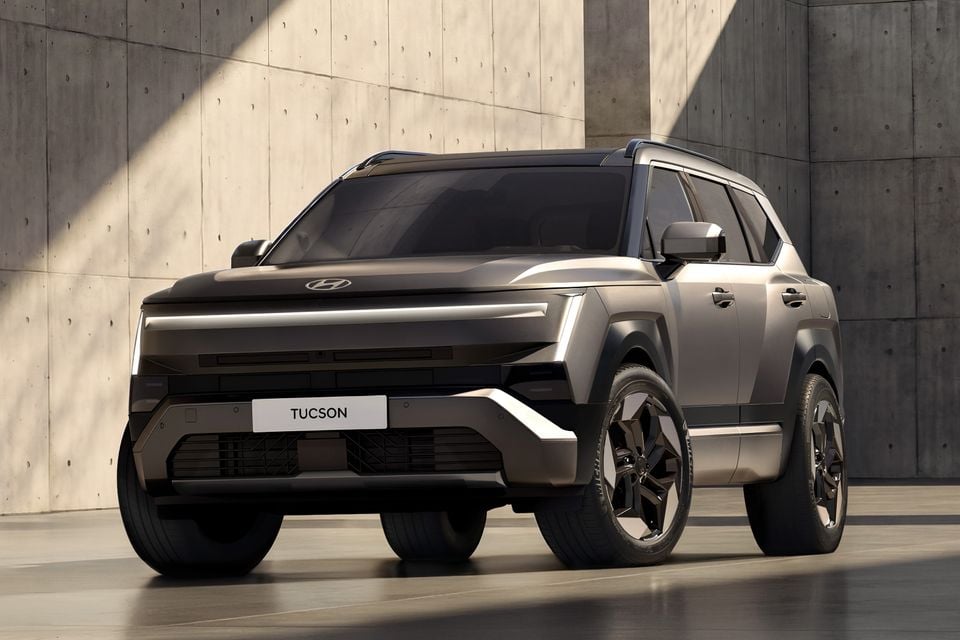
Measuring 4700mm long, 1905mm wide and 1685mm tall on a 2785mm wheelbase, the new long-wheelbase Tucson is 60mm longer and 40mm wider on a 30mm longer wheelbase than its predecessor. Its drag coefficient has been improved despite its increased size, dropping from 0.33 to 0.30Cd.
Hyundai claims an increase in second-row headroom of 29mm, while the rear doors now open at 83 degrees (up from 73 degrees) for greater ingress and egress.
The new Tucson XRT gets unique front and rear bumpers and skid plates, plus extended wheel-arch cladding with a “forged-carbon-inspired design motif” – it’s effectively a more rugged look with no more capability, much like the Nissan X-Trail Rock Creek arriving here this year. Given this is the first time the Tucson XRT is being built in Korea and Hyundai Australia wants to expand its XRT lineup, this appears a strong chance for a local launch.
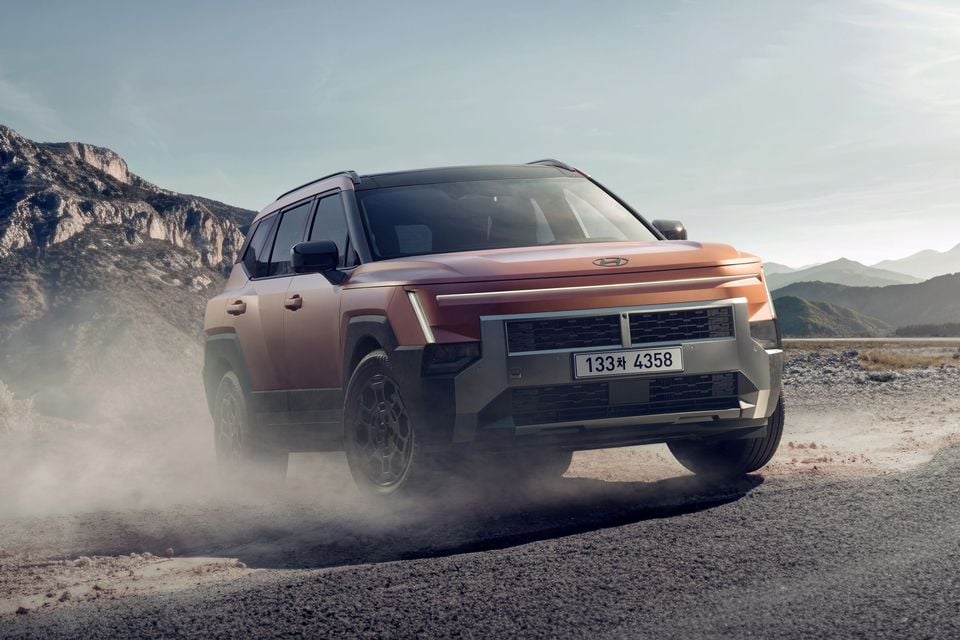
The XRT Pro, which we’ll miss out on, brings more off-road capability in the form of all-terrain tyres, front recovery hooks, and 30mm of extra ground clearance (for a total of 210mm).
It also features Smart Terrain Assist, which features automatic terrain detection and analyses traction and slip conditions to provide a “stuck score” while recommending a safe path.
The XRT Pro also features the forged-carbon-look exterior treatment, plus “bold interlocking wheel designs” as well as interior upgrades such as dark metal finishes and exclusive seat patterns and logos.
All Tucsons will feature LED headlights and LED tail-lights, though clever Micro Pixel Lighting – which includes 25,600 individual LED pixels – will be exclusive to the short-wheelbase Tucson that Australia will miss out on.
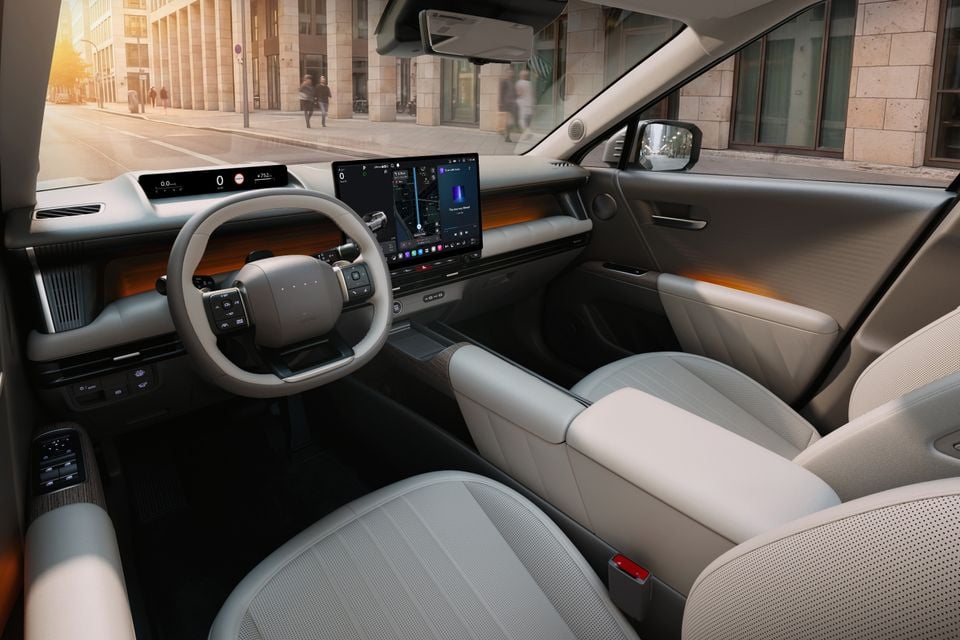
Other features that LWB vehicles won’t get include tri-zone climate control, a ‘Relaxation Comfort Seat’ that can recline to 10 degrees with the push of a button, front-seat massaging, and Trailer Reverse Assist.
An Australian-market braked towing capacity figure has yet to be announced, though the hybrid is rated to tow up to 1361kg in the US market.
The Tucson will offer either 12.9-inch or 17-inch touchscreens running the new Android Automotive-based Pleos Connect infotainment system, which incorporates a conversational AI bot called Gleo AI and supports over-the-air software updates and native integration of third-party services.
A slim 9.9-inch digital instrument cluster sits ahead of the driver, while dual 15W wireless phone charging pads are available.
New safety features include Pedal Misoperation Safety Assist, which limits acceleration if the system detects the accelerator pedal has been mistakenly pressed; and Forward Parking Collision Avoidance Assist (PCA-F), which assists with braking if it detects an imminent low-speed collision with a pedestrian or obstacle.
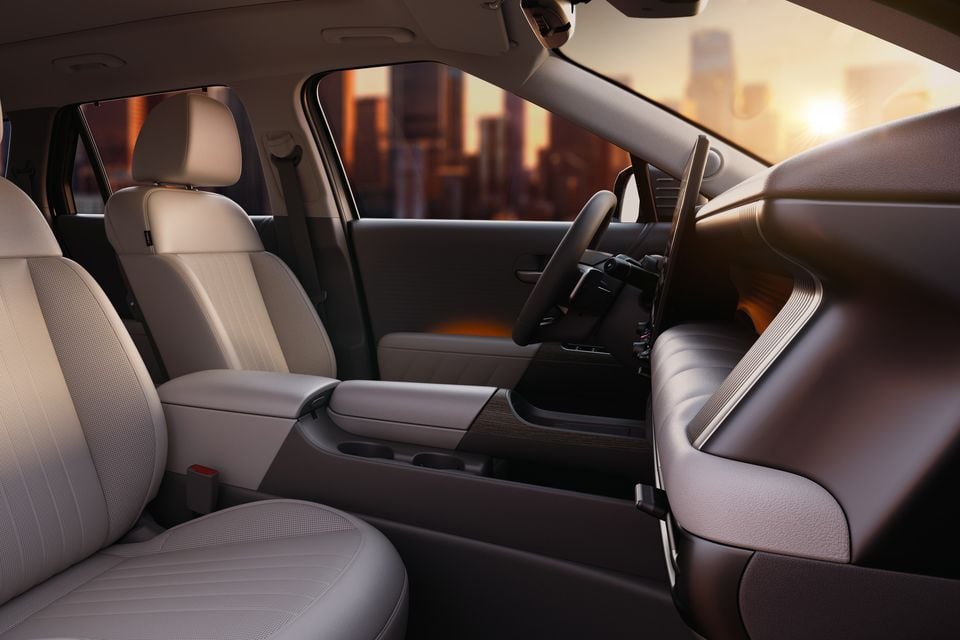
Hyundai has also added Door Unlock Power Redundancy, which uses backup power to maintain the door unlock function even if main power is cut off following a collision. In less dire circumstances, a new Stay Mode for hybrid variants will allow functions like the climate control and infotainment to be used for a certain period while stationary, like in an electric vehicle (EV).
A new Memory Reverse Assist feature can also remember the vehicle's trajectory and control the steering when reversing, joining a suite of active safety and driver-assist features that also includes Rear Parking Collision Avoidance Assist, Remote Smart Parking Assist, Navigation-based Smart Cruise Control 2, and a surround-view camera system with a ground view mode.
The Tucson is a crucial model for Hyundai, being the Korean automaker’s best-selling SUV globally.
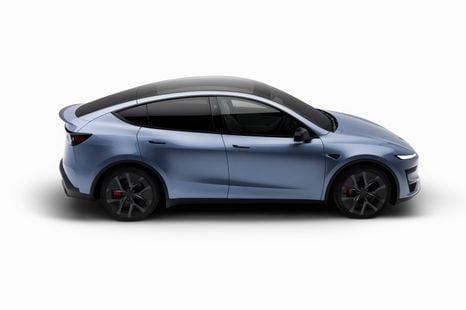
In Australia, it was Hyundai’s second-best selling model last year behind the Kona small SUV, and the 12th best-selling vehicle overall on the market. Among mid-size SUVs, it was outsold only by the Toyota RAV4, Mazda CX-5, Mitsubishi Outlander and Tesla Model Y.
Research cars in our Showroom, compare your options or let our New Car Specialists do the running around to find you a great deal.
William Stopford is an automotive journalist with a passion for mainstream cars, automotive history and overseas auto markets.
William Stopford
21 Hours Ago

Damion Smy
22 Hours Ago
Damion Smy
3 Days Ago

Marton Pettendy
3 Days Ago

Derek Fung
4 Days Ago

Josh Nevett
12 Days Ago
Add CarExpert as a Preferred Source on Google so your search results prioritise writing by actual experts, not AI.