




Marton Pettendy
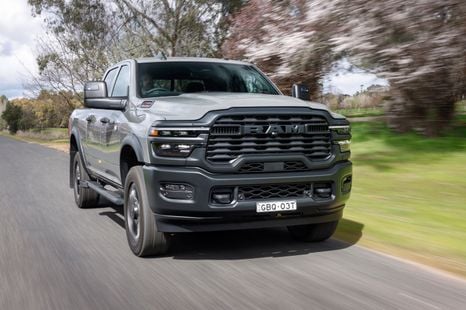
HDT to announce major reboot at Bathurst
One of Australian motorsport’s most famous automotive nameplates is set for a comeback, but will it involve road cars as well as race cars?
9 Hours Ago
BYD has undercut rivals with aggressive pricing in the last week, despite calls from the Chinese government to pull back from ‘creating disorder’ in overseas markets.

Deputy News Editor
Deputy News Editor
Price wars among Chinese car brands seem under no threat of abating despite new ‘guidelines’ from the Chinese government calling for an end to hyper-competitive price wars, and as profit margins are slim-to-nothing in the domestic market.
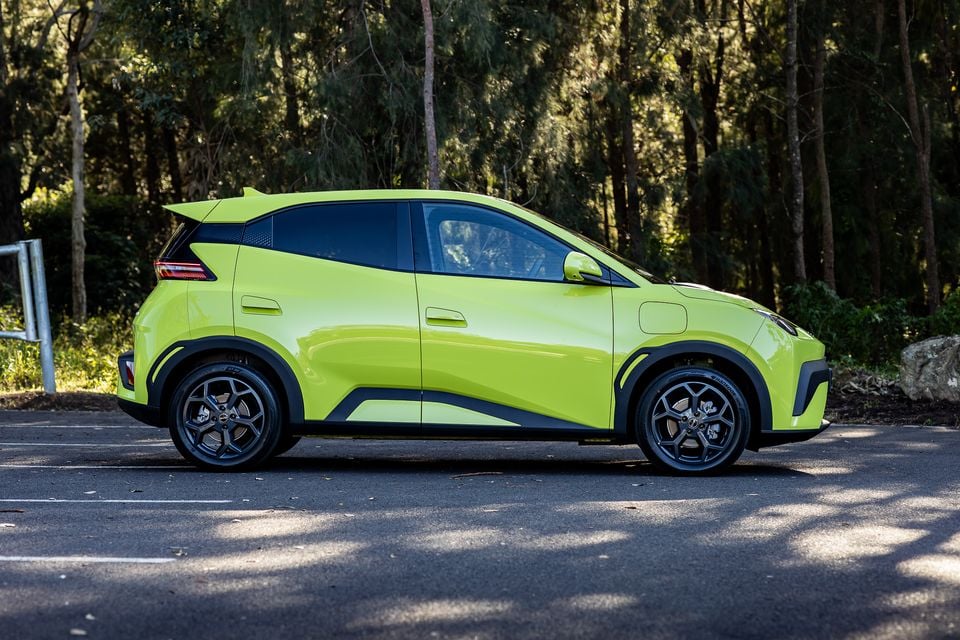
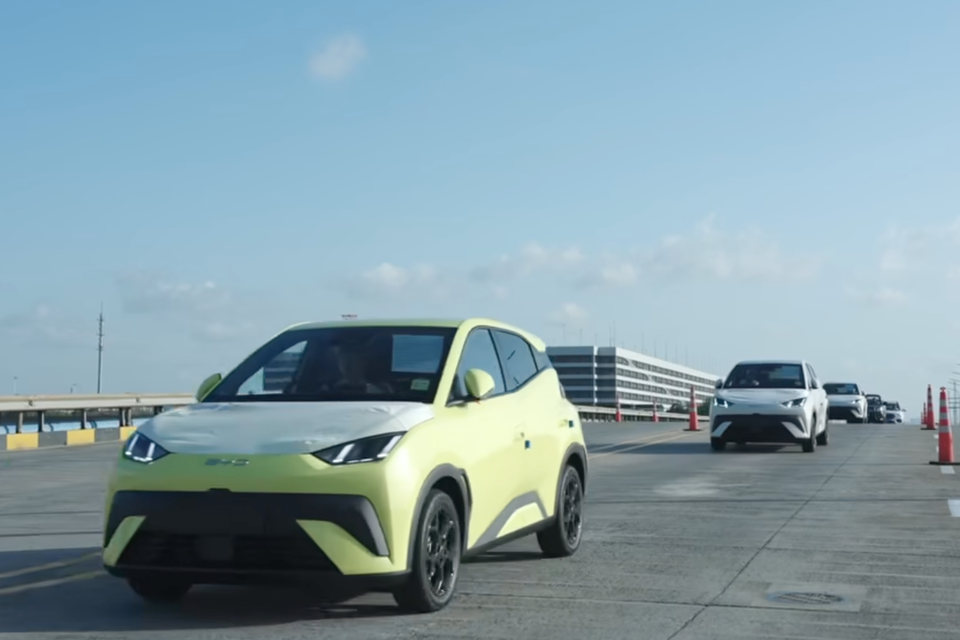
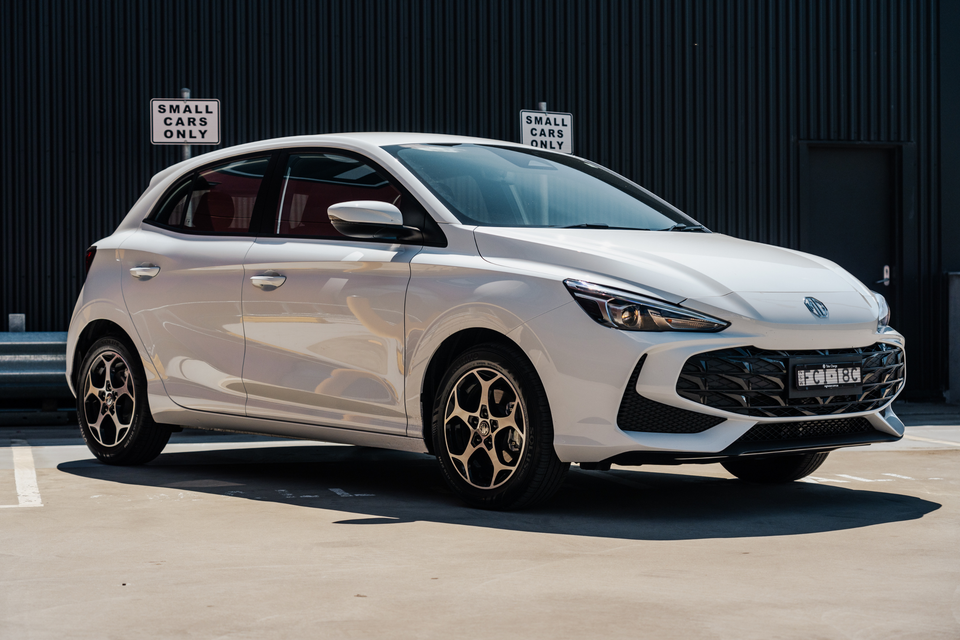
Last week, BYD dropped the price of its Atto 1 electric hatch to $19,990 drive-away. Already the cheapest electric vehicle (EV) in Australian new-car showrooms, the price cut means the Atto 1 ties with another Chinese hatch, the petrol-powered MG 3, as the cheapest vehicle on sale.
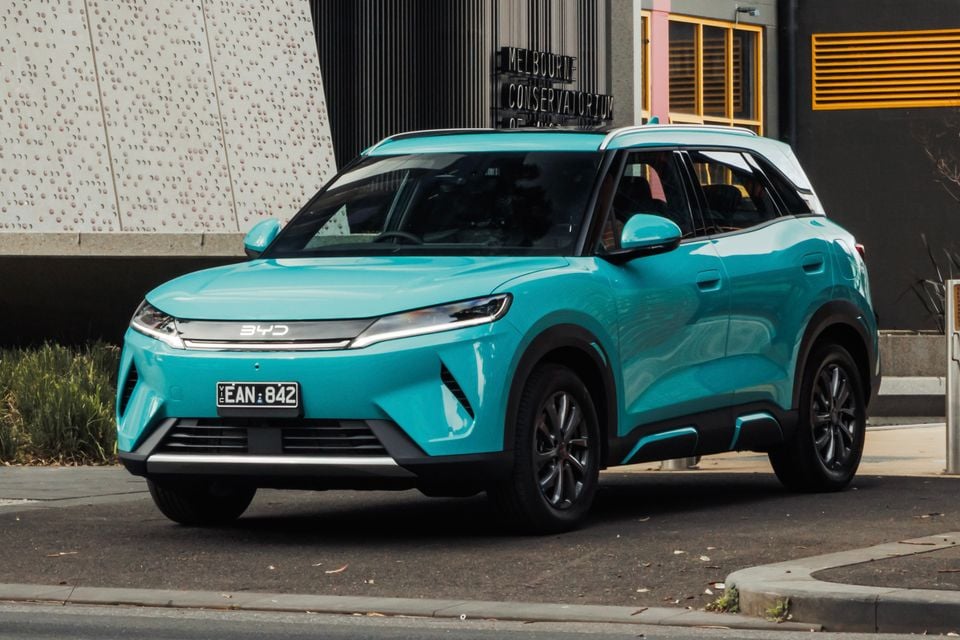
This week, BYD announced the Atto 2 plug-in hybrid (PHEV) from $24,990 before on-road costs, replacing the BYD Sealion 5, which is $33,990 before on-road costs, as Australia’s cheapest PHEV.
“We run finance campaigns like everybody does and that’s the nature of the market. This has nothing to do with price wars or anything,” BYD Australia chief operating officer Stephen Collins told the Australian Financial Review.
“This is about delivering value and making the latest tech available to everyone.”
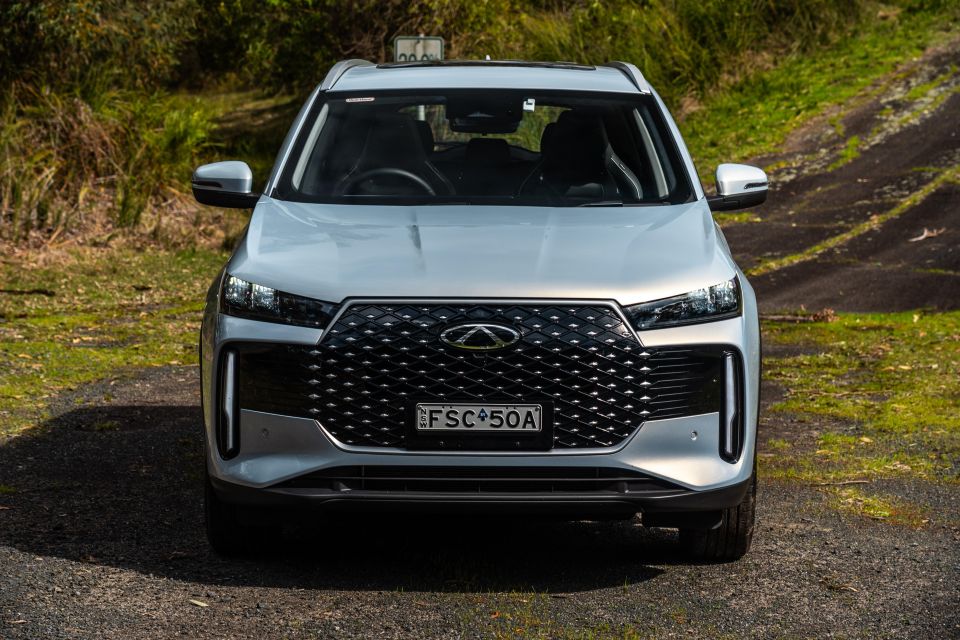
BYD isn’t the price leader in every segment. Chery Australia currently offers the cheapest SUV, the Chery Tiggo 4, priced at $22,490 drive-away for 2025-plated models until September 30, with the Indian-made Mahindra XUV 3XO offered at the same promotional starting price.
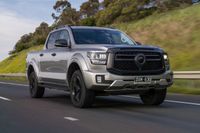
Similarly, the Chinese-made GWM Cannon Hi4-T PHEV was revealed last week, with a $47,990 drive-away promotional price for Australian Business Number (ABN) holders.
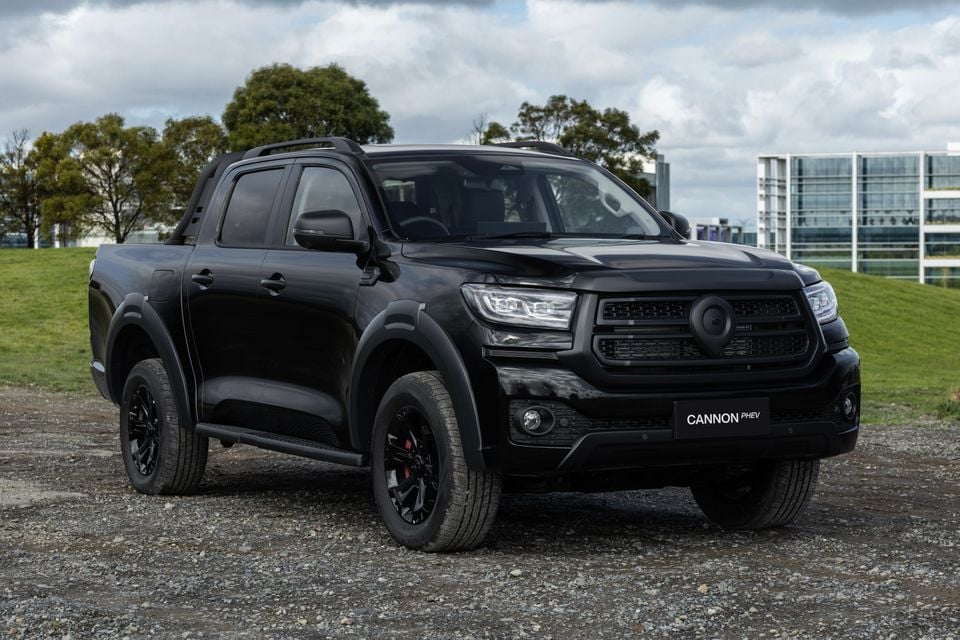
This makes it the cheapest PHEV ute in showrooms, taking that title off another ute from China, the JAC Hunter PHEV, which in turn undercut another, the BYD Shark 6.
Across most new-vehicle segments in Australia, Chinese-made cars are the cheapest, from passenger cars and SUVs to commercial vehicles.
While this isn't a shock, the latest round of price cuts follows Chinese government guidelines announced in September for the behaviour of its auto brands, many of them state-owned, in overseas markets like Australia.
This included directives against aggressive pricing to gain an ‘improper advantage’, and to avoid creating disorder in overseas sales channels.
Chinese automakers operating overseas “must not disrupt the order of market competition to obtain an improper competitive advantage”, the government guidelines said.
The guidelines were introduced as new-vehicle sales growth in China has slowed, with manufacturers looking to exports for sales growth.
“I don’t think it’s healthy to engage in any price wars,” Roy Muñoz, chief commercial officer (CCO) for Chery Australia and New Zealand, told CarExpert.
“Our focus is to grow our market share sustainably. I think sustainability is key, meaning there’s margin left in there for us, there’s margin left in there for the dealers, and the customer experience itself isn’t ruined,” Mr Muñoz said.
“I have no interest in engaging in any price wars. It’s more of a price battle; I don’t want to get engaged in a price battle, but overall, I think you want to win the war.”
The Chery CCO suggested short-term price discounts may be useful but need to be measured against the long-term sustainability of the business, and the effect such pricing may have on the customer experience.
“You need to consider how much you are willing to participate because at some stage, it will hurt someone – whether it’s the OEM [car manufacturer], whether it’s the dealer, or whether it’s the customer.”
That’s a view shared by Steven Bragg, a partner at accounting and business advisory firm Pitcher Partners.
“Whether you call it a price war or not, the effect is the same: unsustainable discounting that hits residual values and puts pressure on the dealer infrastructure the industry has spent decades building,” Mr Bragg told the Australian Financial Review.
“If you buy a car, and it’s $4000 cheaper the following week, that’s not just a bruised ego, it’s a direct hit to your resale value.
“The bigger risk is what happens if the new entrants win volume now but don’t stick around to support servicing, parts and warranty infrastructure long-term?”
Despite lower prices, an October 2025 Canstar report found Australians were spending more on new vehicles, with the average purchase price rising 16 per cent from $41,200 in the previous year to $47,900.

Since then, petrol and diesel prices have increased significantly, with higher oil prices having broader impacts on transport costs, increasing the price of goods across most sectors.
Still, sales of new vehicles in August 2026 were the second-highest of any August on record, and saw electric vehicles take a greater share of sales (24.9 per cent) than petrol (23.7 per cent) and diesel models (21.7 per cent) for the first time.
The previous month, July 2026, was the best July result for new-car sales in Australia.
MORE: Explore the BYD showroom
Damion Smy is an award-winning motoring journalist with global editorial experience at Car, Auto Express, and Wheels.
Marton Pettendy
9 Hours Ago

William Stopford
9 Hours Ago

Max Davies
11 Hours Ago

Josh Nevett
13 Hours Ago
Damion Smy
13 Hours Ago
Damion Smy
1 Day Ago
Add CarExpert as a Preferred Source on Google so your search results prioritise writing by actual experts, not AI.