




Max Davies
2027 BYD Atto 2 PHEV: Pint-size plug-in hybrid SUV "has no competitors", says Chinese brand
In a market dominated by SUVs, BYD says its new plug-in hybrid small SUV has no direct competition. Here's why.
1 Hour Ago
The world's oldest automaker is feeling the crunch of Chinese-market losses and US tariffs, with job cuts and plant closures reportedly on the table.

Senior Editor – Reviews
Senior Editor – Reviews
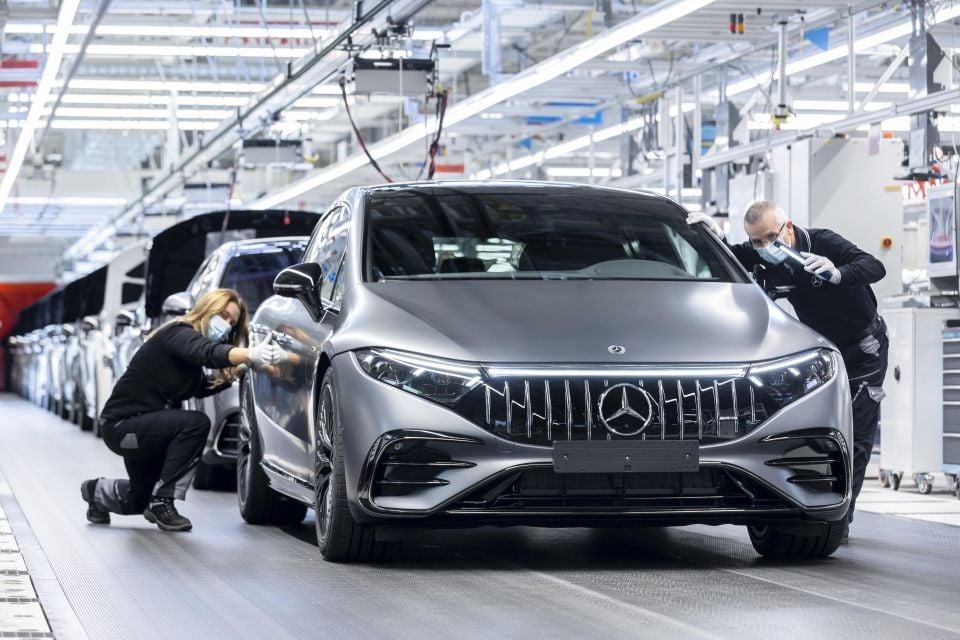
The Volkswagen Group isn't the only established European auto brand hurting, as fellow German marque Mercedes-Benz looks to cut costs in its homeland with potential factory closures – according to a new report.
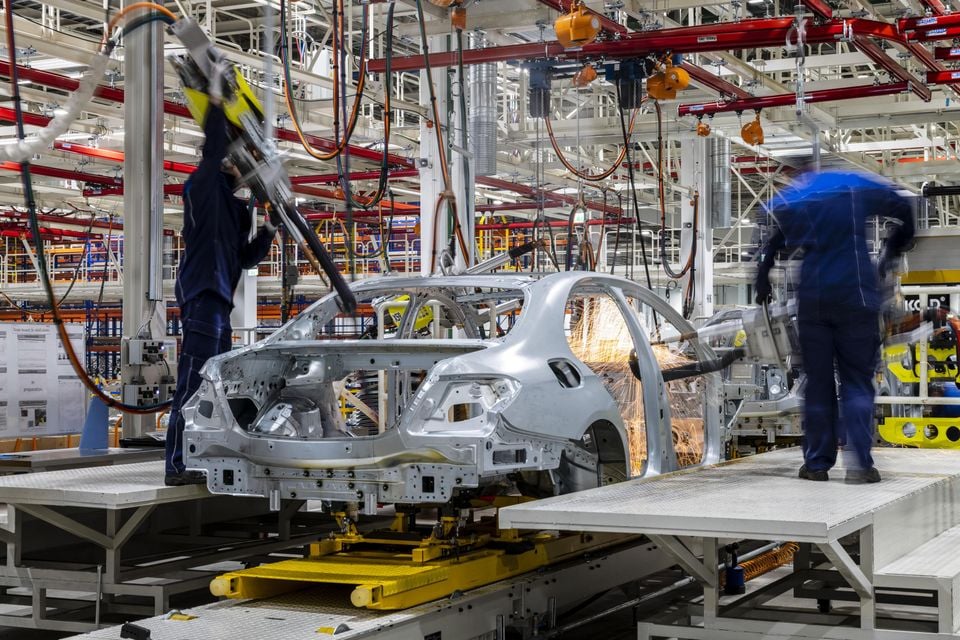
Carscoops reports that two of Mercedes-Benz's German-based factories – one vehicle assembly plant and one powertrain facility – are at risk of being shut down, amid negotiations around new cost-saving measures with the IG Metall workers union, which represents many Mercedes-Benz employees.
"[Our] clear goal is to maintain all of our German locations. If we are unable to do this, we will have to close one German assembly plant and one German powertrain plant," the publication quoted Mercedes-Benz production chief Michael Schiebe as saying at the company's Sindelfingen plant in the past week.
In an official statement supplied to Reuters, a spokesperson for Mercedes-Benz said: "We need framework conditions that boost productivity in Germany".
The prospect of factory closures has not impressed the IG Metall union, which responded with the statement: "Threatening plant closures is no way to shape the future. Anyone who resorts to such threats must expect our determined resistance.
"If the management board believes it can pressure employees with the ultimatum of ‘concessions or plant closures’, our answer is a clear ‘not on our watch'," said union representatives, according to Carscoops.
Mercedes-Benz currently has seven operational powertrain factories in Germany, as well as three vehicle assembly plants. It's unclear at this stage which of these sites is at risk of being shut down.
Several factors have contributed to the situation, including Mercedes-Benz sales plummeting in China recently, while in 2025 the historic German marque lost US$1.1 billion (A$1.57bn) to US tariffs.
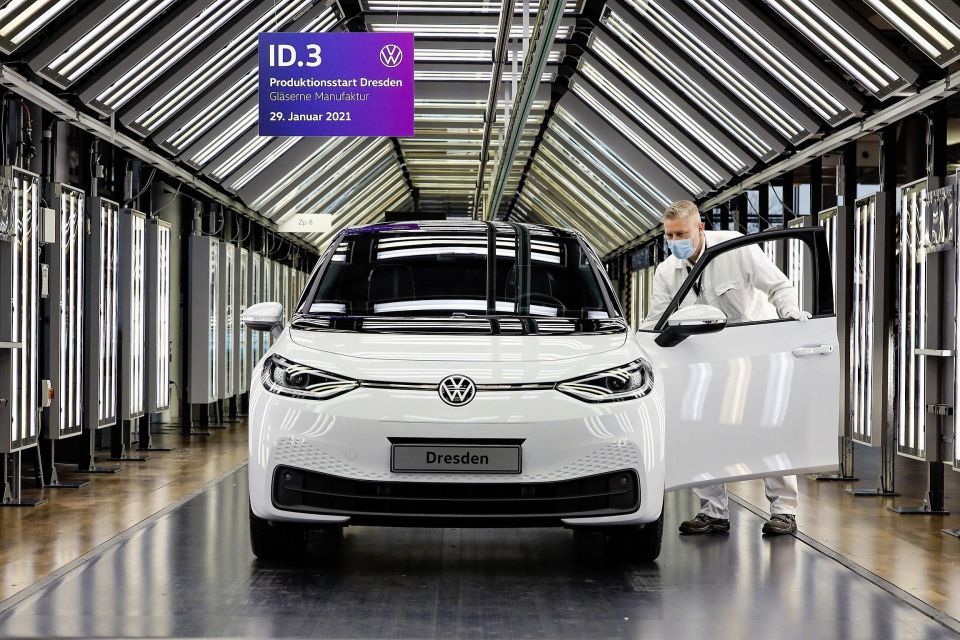
News of Mercedes-Benz's woes follows well-publicised plans for big cuts at the Volkswagen Group, particularly for the German auto giant's namesake vehicle brand.
Earlier this month, VW's supervisory board approved what's internally called Future Plan 2030, which aims to increase the operating profit of Europe's largest automaker to €31 billion (A$50.3bn), as well as triple its operating profit margin to 9.0 per cent by the end of this decade.
However, this requires massive cuts to Volkswagen's model range and workforce, including the rationalisation of its "offering complexity" – think drivetrains, trim levels, body styles and so forth – by 75 per cent by 2035, as well as cutting up to 50 per cent of its model lineup.
Up to 100,000 VW employees are reportedly at risk of losing their jobs due to internal restructuring, including some layers of management, while up to four German factories are facing closures in the coming years.
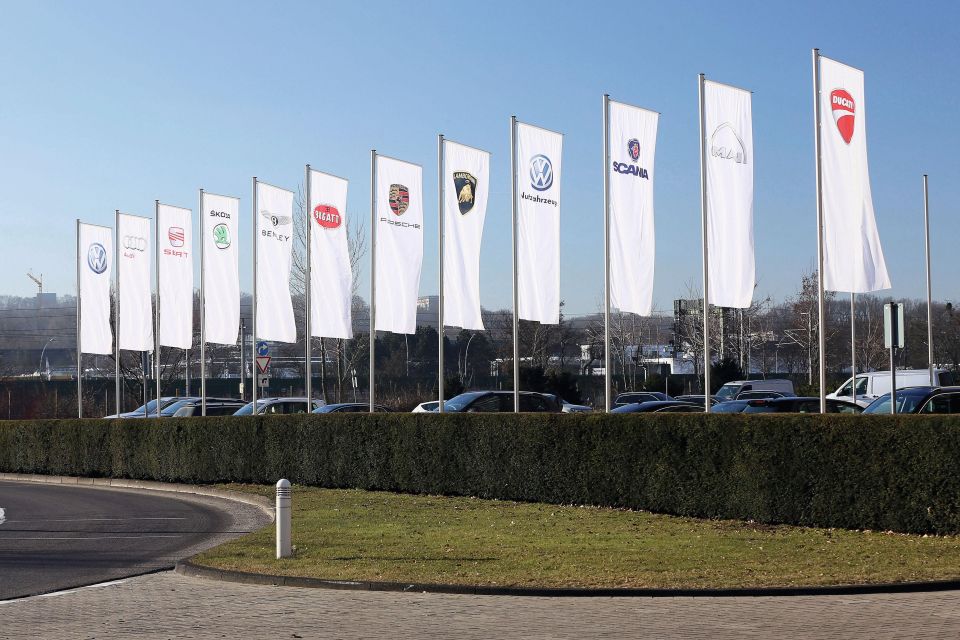
Further casualties could happen beyond the confines of the Volkswagen brand, with Group subsidiary Seat potentially on the chopping block (again), as the Spanish automaker focuses on the higher-volume and more profitable Cupra brand.
Luxury sports car brand Porsche, another VW Group subsidiary, was also forced to sell its major stakes in Bugatti Rimac, netting nearly €1 billion (A$1.62bn), while fellow premium Group-mate Audi sold its majority stake in design and engineering firm Italdesign.
Bugatti is world renowned for its ultra-exclusive hypercars, and was brought back to life by the Volkswagen Group in the early 2000s when it launched the 400km/h-plus Veyron. Meanwhile, VW Group bought a 90 per cent stake in Italdesign in 2010.
Founded by designer Giorgetto Giugiaro and engineer Aldo Mantovani, the famed design and engineering company created countless vehicle designs in the decades since its inception, including the original Volkswagen Golf, the Fiat Panda and Punto, the Lancia Delta, and the first Lexus GS.
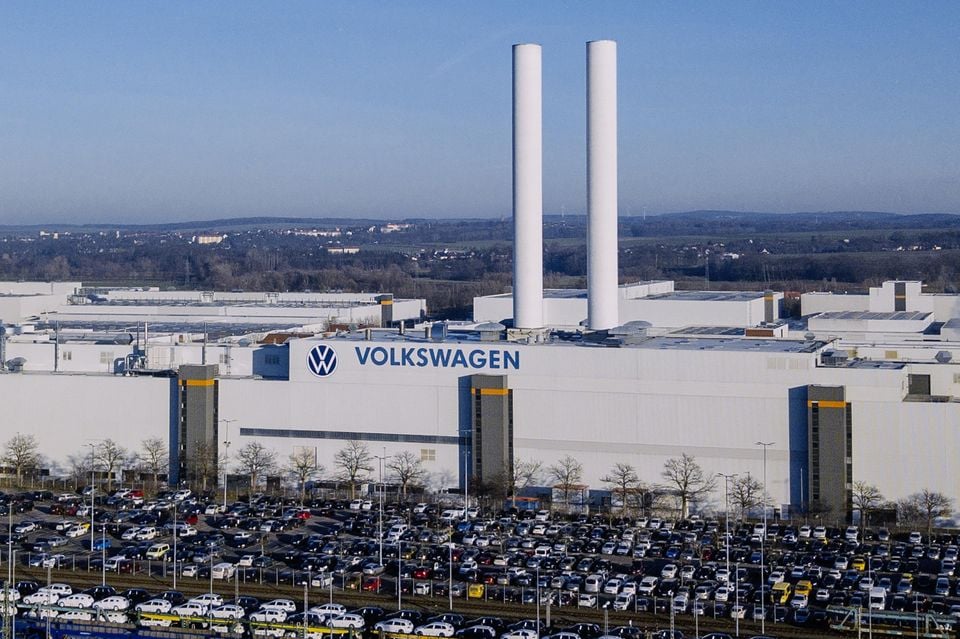
As mentioned earlier, much of the German car industry's troubles stem from falling sales in the once-lucrative Chinese market, as well as US import tariffs.
The impact of all this in the Australian market is unknown at this stage, but should become clearer as the German brands continue to pivot their respective global strategies.
MORE: Board approves Volkswagen's plan to halve model range, cut jobs, close factories
Research cars in our Showroom, compare your options or let our New Car Specialists do the running around to find you a great deal.
James Wong is an automotive journalist and former PR consultant, recognised among Australia’s most prolific motoring writers.
Max Davies
1 Hour Ago


Damion Smy
2 Hours Ago

Ben Zachariah
2 Hours Ago

Damion Smy
2 Hours Ago
Max Davies
4 Hours Ago

William Stopford
15 Hours Ago
Add CarExpert as a Preferred Source on Google so your search results prioritise writing by actual experts, not AI.