




Alborz Fallah
EREVs easier, cheaper to repair than PHEVs, claims Chinese brand
Chery's iCaur brand, due here in 2027, says extended-range electric vehicles have key advantages over more common plug-in hybrids.
2 Hours Ago
A senior Mitsubishi executive has confirmed both hybrid powertrain types will be offered in the new Pajero – and perhaps the Triton it’s based on.

Managing Editor
Managing Editor
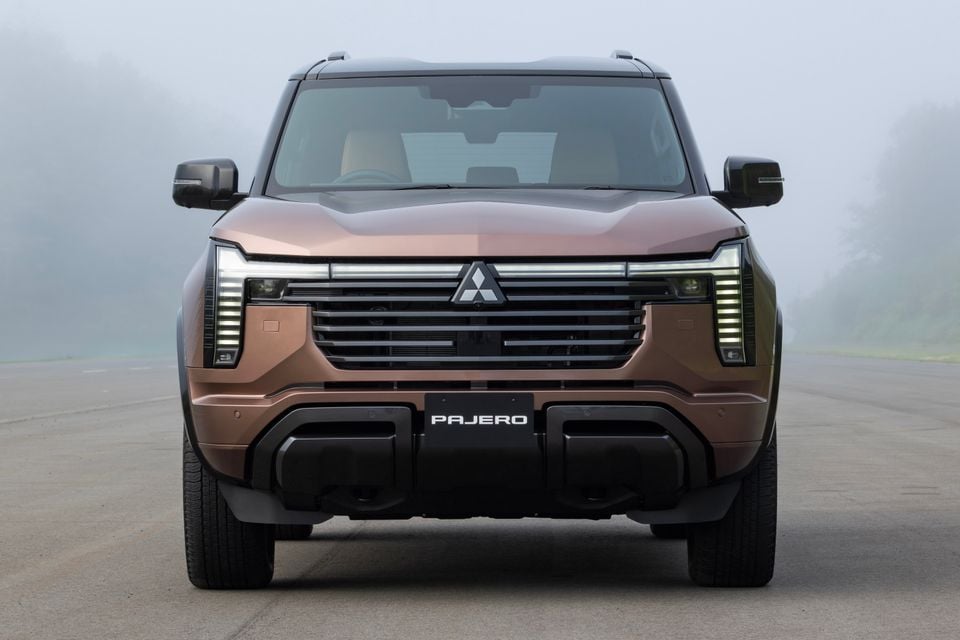
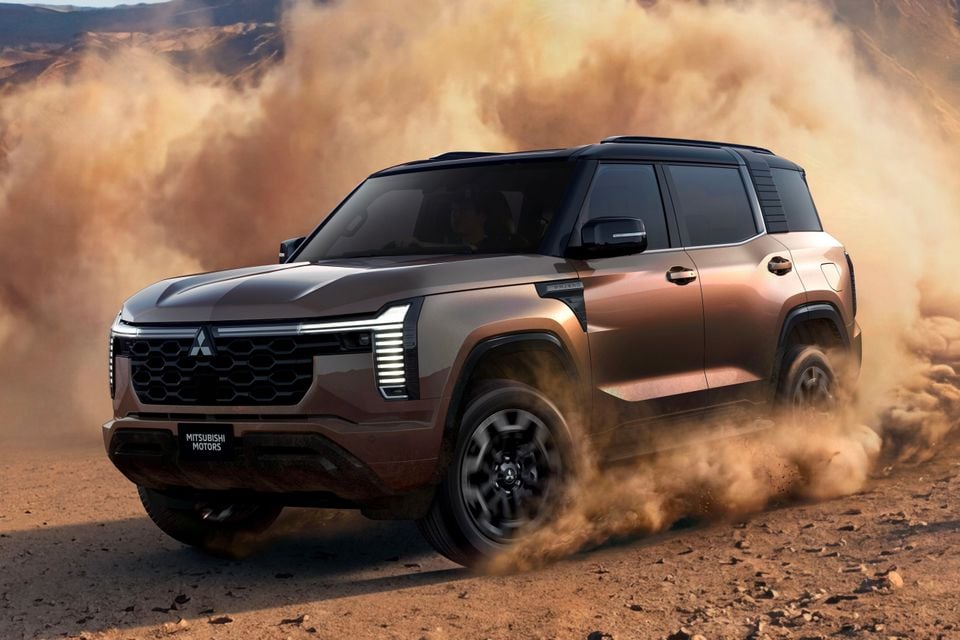
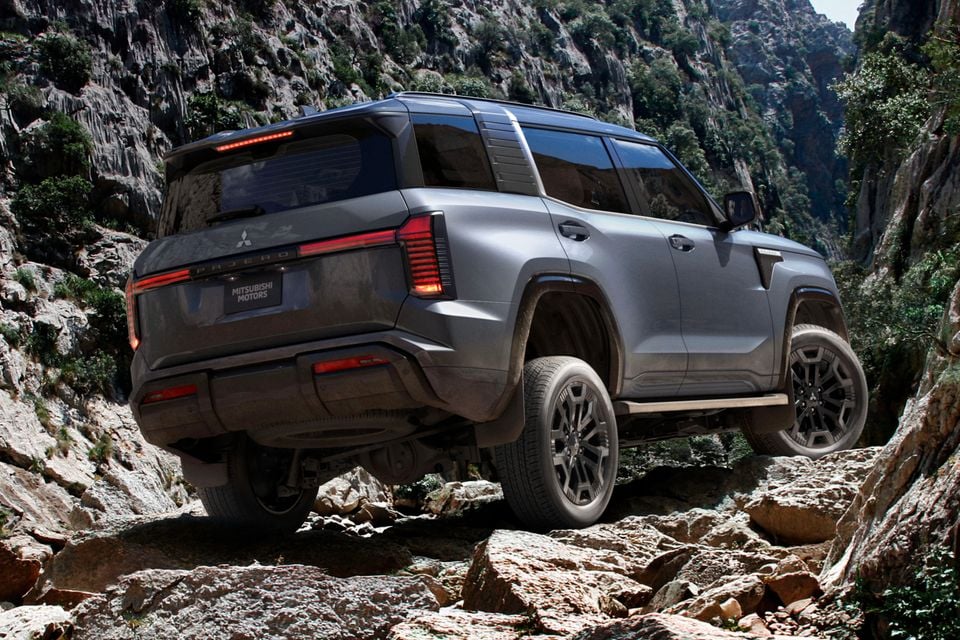
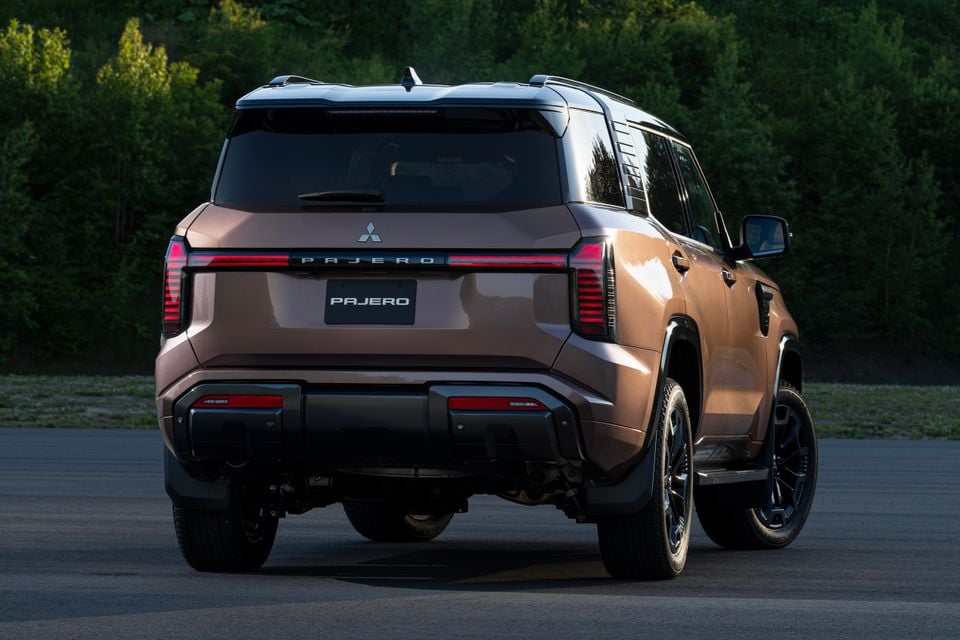
The all-new Mitsubishi Pajero will become available with both hybrid (HEV) and plug-in hybrid (PHEV) powertrains, a senior Mitsubishi executive has confirmed to a small group of journalists representing Australian media outlets including CarExpert.
Speaking after the world debut of the fifth-generation Pajero in Tokyo last week, the Japanese executive said both electrified drivetrain types would be offered in the born-again large off-road SUV.
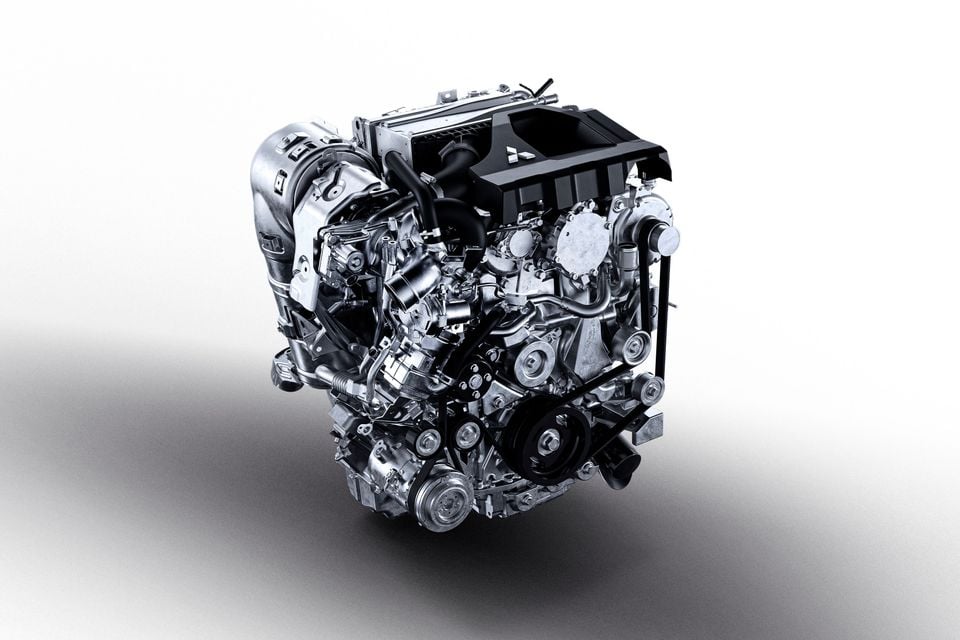
The first hybrid Pajero, which will give Mitsubishi a direct rival for the GWM Tank 500 PHEV and Denza B5, will join the sole engine offering from launch – a four-cylinder 2.4-litre single-turbo diesel delivering 150kW of power and 480Nm of torque – but should reduce fuel consumption and therefore extend driving range for what could be a relatively modest price premium.
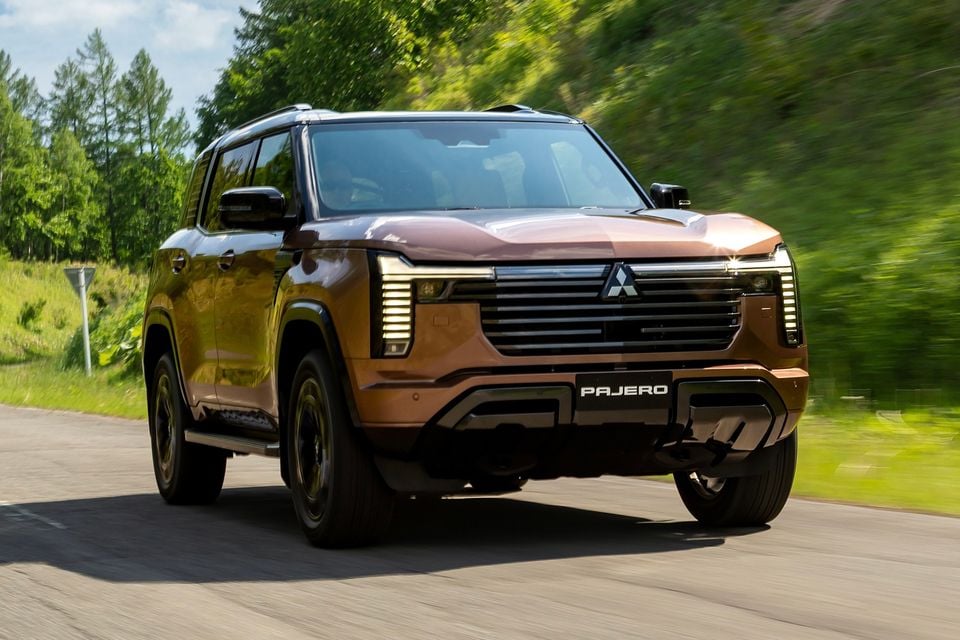
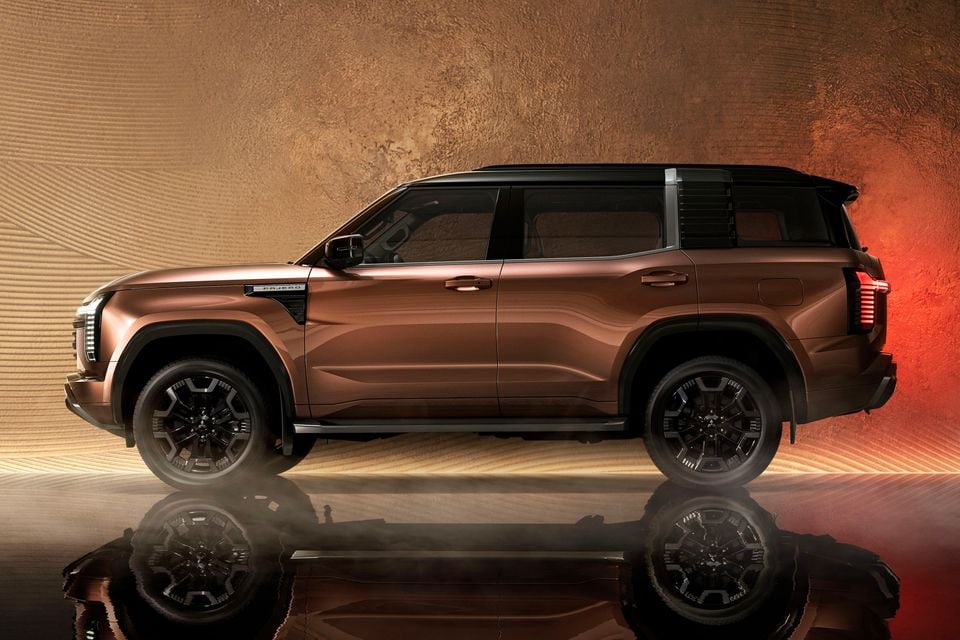
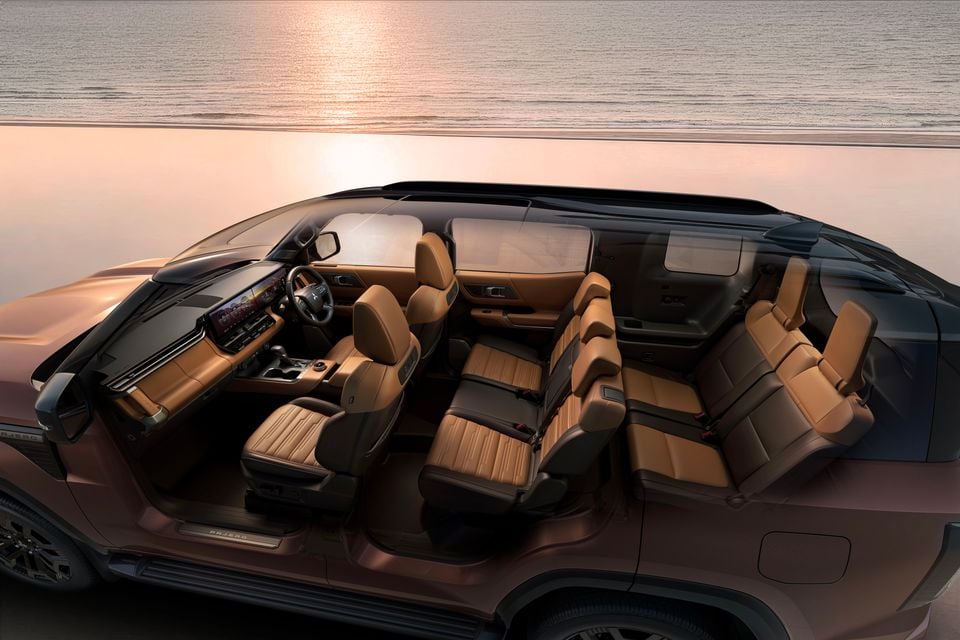
Pricing for the new four-variant Pajero lineup has been confirmed to start at $68,490 before on-road costs for the entry-level GLS five-seater, ahead of first local deliveries from December 2026.
However, details of the HEV and PHEV powertrains – which could also be fitted to the Triton ute on which the new Pajero is based and produced alongside in Thailand – have yet to be locked in, and it remains unknown when they will be launched in Australia.
The Japanese executive was speaking on the record in a private setting immediately after a roundtable interview with Australian and Thai journalists following the Mk5 Pajero’s reveal, and so we have decided not to publish his name.
Mitsubishi Motors recently announced plans to invest 16 billion baht (A$680 million) by 2030 to transform its Laem Chabang facility in Thailand into a manufacturing hub for exports of electrified vehicles, which Nikkei Asia reported would include the Pajero and Triton.
The Japanese automaker is a pioneer in plug-in hybrid vehicle technology, with the Outlander having long been one of its top-selling models and its flagship PHEV. Mitsubishi also produces plug-less hybrid versions of the Xpander people mover and Xforce compact SUV in Thailand for Southeast Asian and global markets.
While the Outlander PHEV's electrified 2.4-litre petrol powertrain delivers 221kW of power and 450Nm of torque, and its plug-less Xpander and Xforce hybrids employ 1.6-litre petrol engines and an 85kW/255Nm electric drive motor, a hybrid Pajero would need to better those outputs significantly.
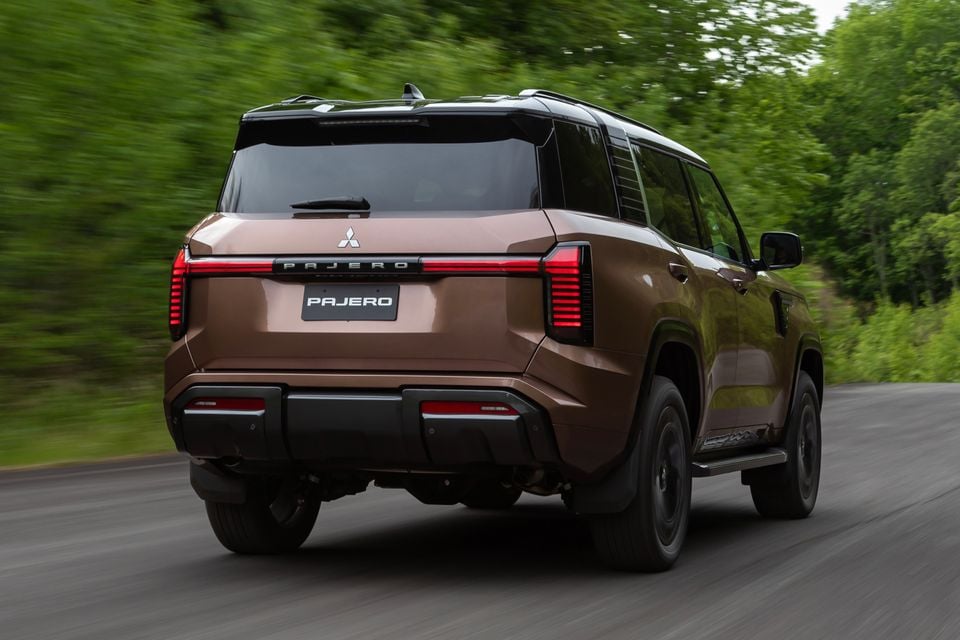
However, Mitsubishi Motors president and COO Keisuke Kishiura wouldn’t be drawn on details about the company’s investment in Thai-built ladder-frame hybrid vehicles.
“We cannot explain the detail of the investment plan,” he said in the roundtable interview. “However, the Laem Chabang factory is a quite important and big factory. Of course, we will produce the new Pajero in Laem Chabang so, related to the Pajero, we have a plan to invest further.
“And also we have some hybrid models in Thailand – Xpander and Xforce – so that is one option to invest. Anyway, we have the big factory in Thailand, so an updated production line and everything regarding the new model, new powertrains, everything is included in this US$500 million investment, but we don’t have a detailed plan.”
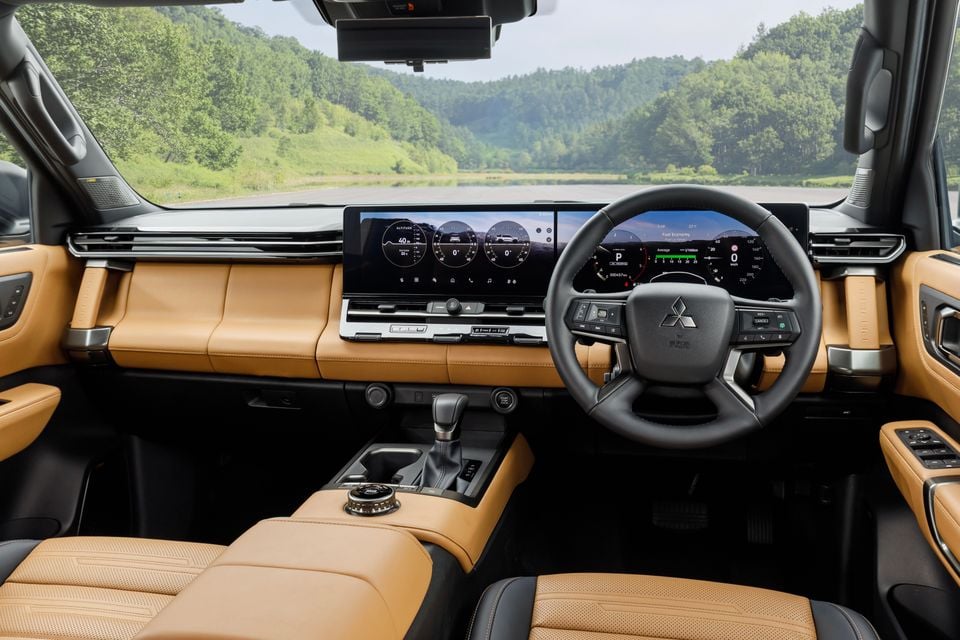
But when asked if the new Pajero would need a petrol or hybrid powertrain to be sold in markets like the US and Mexico, Kishiura-san said it was likely.
“The US and Mexican markets are gasoline markets, especially the US,” he said, pointing to a 50/50 sales split between petrol and diesel power for the L200/Triton sold in Mexico.
“Firstly, we will launch the diesel Pajero with clean-diesel engine. I’m very confident Mexicans will love this Pajero. We don’t have any detailed plan, however, we will develop a new powertrain lineup for Pajero/Montero also, which is still under planning.
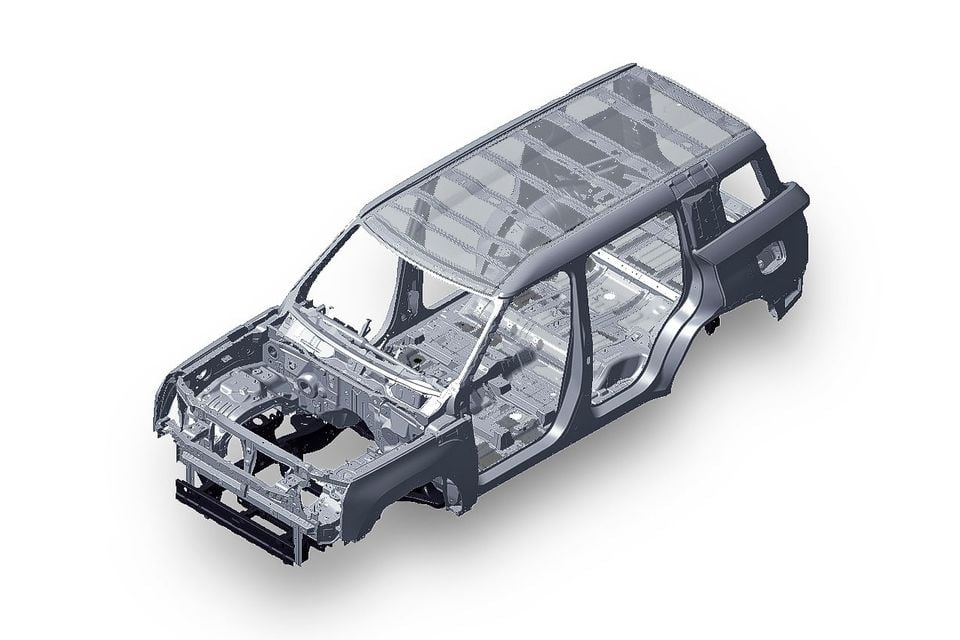
“So diesel markets and gasoline/petrol markets will also enjoy the new model with ICE [internal combustion engine] model or, I don’t know, hybrid or something [else].”
Asked if the new Pajero would eventually also be offered with an all-electric powertrain, chief vehicle engineer Takaaki Matsumoto said: “Actually I cannot explain. Of course we need to understand the global market and customers in each country and then decide our future plan.”
Mitsubishi Pajero chief product specialist Kunitoshi Itagaki reiterated that sentiment to media in a pre-briefing held in Melbourne prior to the reveal, but stressed that any future electrified versions of the brand's ladder-frame off-roaders must match the all-terrain capability of their diesel-powered counterparts.
"The all-new Pajero is being launched with [an internal combustion] powertrain only," he told media including CarExpert.
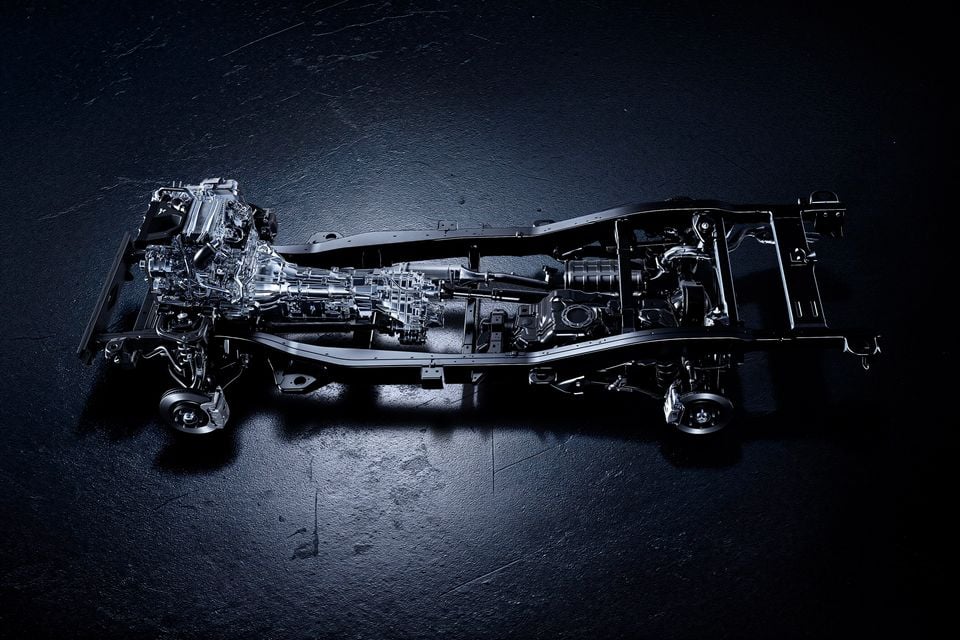
"However, Mitsubishi Motors is pursuing research and development in electrified ladder-frame vehicles, including hybrid vehicle and plug-in hybrid vehicle technologies for products such as Pajero and Triton in the future.
"To meet Mitsubishi Motors' standards, future electrified models must deliver not only strong on-road performance, but also off-road capability, towing performance, durability and reliability expected to be core strengths of Mitsubishi Motors vehicles.
"We're ensuring that electrified models can maintain these characteristics while delivering the distinct Mitsubishi Motors driving experience... market introduction will therefore take additional time.
"But of course, when we are developing a global model, we study a wide range of powertrains that are based on market needs, regulations, performance, fuel economy... but this time, we selected the 2.4-litre engine," he said.
"We will continue to study the best future options, including maybe electrification around market needs and regulations as technology evolves."
For now, the new Pajero will only be available with four-cylinder turbo-diesel power – like the Toyota Prado and Isuzu MU-X, but unlike the Ford Everest which is also offered with a 184kW/600Nm V6 turbo-diesel.
Apart from hybrid power, speculation also suggests Mitsubishi could borrow a petrol engine from its three-way Alliance with Nissan and Renault for the new Pajero, in particular for markets like North America.
One notable option is the 3.8-litre naturally aspirated V6 available for the 'Y63' Nissan Patrol in some overseas markets, producing 236kW and 386Nm.
"We have no additional powertrain plans at this moment, including the turbocharged V6 gasoline engine or some other engines, to announce at this time,” Itagaki-san said.
“Future electrification, including hybrid and the PHEV system, [we] will consider in line with market conditions, customer needs, infrastructure and regulations in the countries," he said.
At the same pre-briefing, Matsumoto-san said the upgraded 2.4-litre turbo-diesel that powers the Pajero will be the most responsive diesel engine ever produced by Mitsubishi, offering improved controllability over the engine in the Triton.
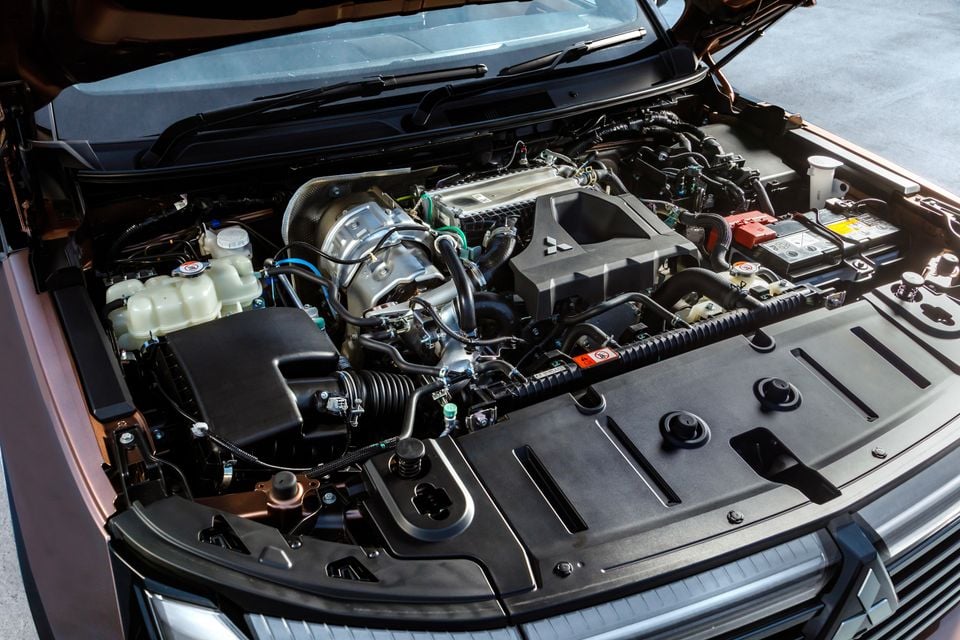
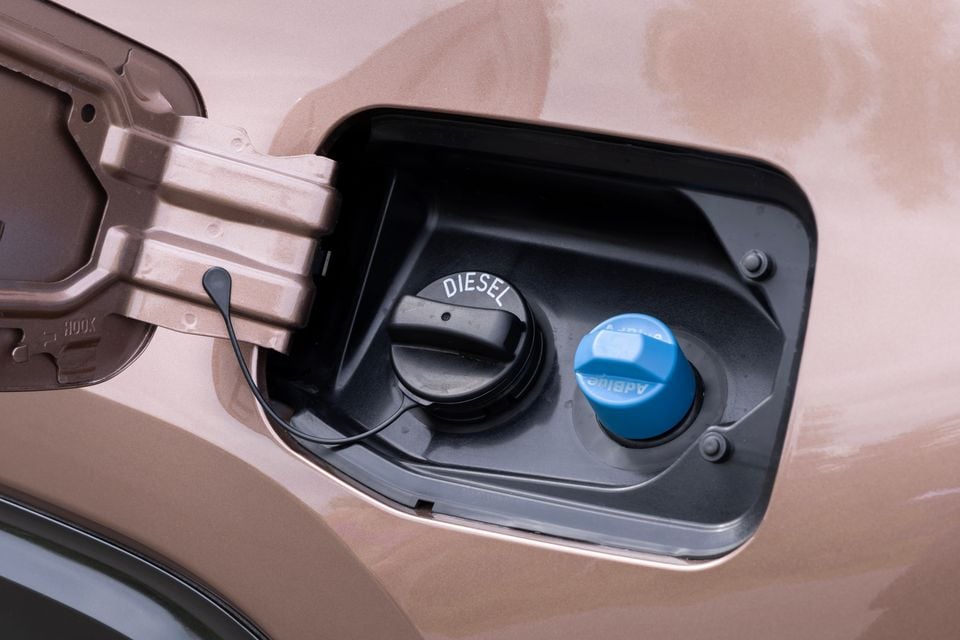
He added that the brand considers the performance of the Pajero's diesel engine – the first from Mitsubishi to meet Euro 6d emissions regulations thanks in part to the introduction of AdBlue exhaust gas after-treatment, though CO2 output and fuel consumption are yet to be revealed – to be "sufficient for normal customers".
After it launched its current Triton in 2023, Mitsubishi confirmed plans for an electric ute and said it was studying hybrid and plug-in hybrid versions of the Triton.
However, since then the Triton EV appears to have been put on the backburner due to slow demand for battery-electric pickups globally, in favour of a plug-less hybrid powertrain with a mechanical four-wheel drive system.
"First, we have to work on hybrid, not the way of plug-in hybrid," Mitsubishi engineering fellow Kaoru Sawase told Australian media including CarExpert at the Tokyo motor show in October.
"In the past, we have announced [plans] to launch BEV, battery-electric vehicle Triton. But now that the direction has shifted a little bit, we are now trying to quickly launch electrified [hybrid] vehicles."
It’s understood both the Pajero and Triton are likely to employ P2 hybrid systems, which incorporate an electric motor between the engine and transmission, making them quicker and cheaper to develop than hybrids with axle-mounted electric motors, and allowing for mechanical 4WD.
Examples include hybrid off-roaders from Toyota, Ford, Land Rover and GWM, while the BYD Shark 6 – Australia's top-selling hybrid ute – has an electric motor on each axle for all-wheel drive, but doesn't have mechanical differential locks or a transfer case with low-range gearing.
"We have been working on advanced developments from a few years ago," Sawase-san said last year. "But in order for us to launch vehicles that meet the value that attracts customers, that's the challenge that we are currently studying, whether that is actually going to be wanted by customers."
"From the viewpoint of needing to quickly launch the vehicles, then we will have no choice but to go for the P2 hybrid way like the Land Rover, LandCruiser.”
Sawase-san said the Shark’s AWD system was found lacking during extreme off-road testing in Japan.
"They can climb uphill, but it doesn't last very long," he said. "For a while they climb it up, but they then stop – the system protection kicks in. My feeling is that the electrified off-road vehicle development is a challenge.
"Personally, for the next five years, I believe that for pure off-road, we should go for the way of mechanical 4WD.
“After five years, there's also a good potential that the EV can also do the pure off-road 4WD, an off-road vehicle. We are watching other technologies' development."
Electric and hybrid utes already available in Australia include the Toyota HiLux BEV, KGM Musso EV, LDV eT60 (EV), JAC Hunter PHEV, BYD Shark 6 PHEV, GWM Cannon Alpha PHEV and Ford Ranger Hybrid (PHEV), and Chery will join the party later this year with the market’s first diesel-powered PHEV ute, the Stockman.
The first hybrid Pajero, meanwhile, would rival a smaller number of large off-road PHEV SUVs such as the GWM Tank 500 PHEV, priced from $79,990 drive-away and featuring a mechanical 4WD system, and the Denza B5, which is priced from $74,990 plus on-road costs and fitted with electric motors on each axle but no physical prop shaft between them.
For reference, the Tank 500 PHEV produces 300kW/750Nm from its electrified 2.0-litre turbo-petrol powertrain, while the Denza B5 offers 400kW/760Nm from its 1.5-litre turbo-petrol PHEV system.
Research cars in our Showroom, compare your options or let our New Car Specialists do the running around to find you a great deal.
Marton Pettendy is a veteran motoring journalist and editor with decades of experience across Australia’s leading automotive titles.
Alborz Fallah
2 Hours Ago
Alborz Fallah
2 Hours Ago
Alborz Fallah
3 Hours Ago
Alborz Fallah
4 Hours Ago

Ben Zachariah
6 Hours Ago
Ben Zachariah
6 Hours Ago
Add CarExpert as a Preferred Source on Google so your search results prioritise writing by actual experts, not AI.