




William Stopford
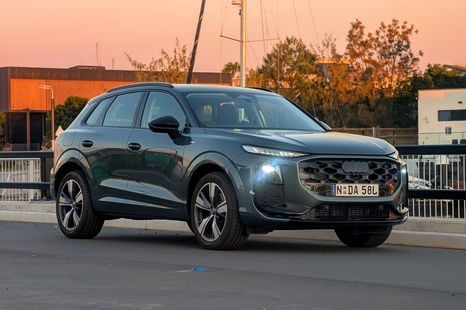
2027 Audi Q3 review
The Q3 may be one of the most affordable Audis but it still offers an impressive level of polish in its dynamics and interior appointments.
3 Hours Ago
Emissions laws could unfairly price some Australians out of their ‘tools of trade’, says Toyota, as price rises loom for light commercial vehicles.

Deputy News Editor
Deputy News Editor
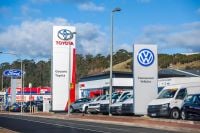
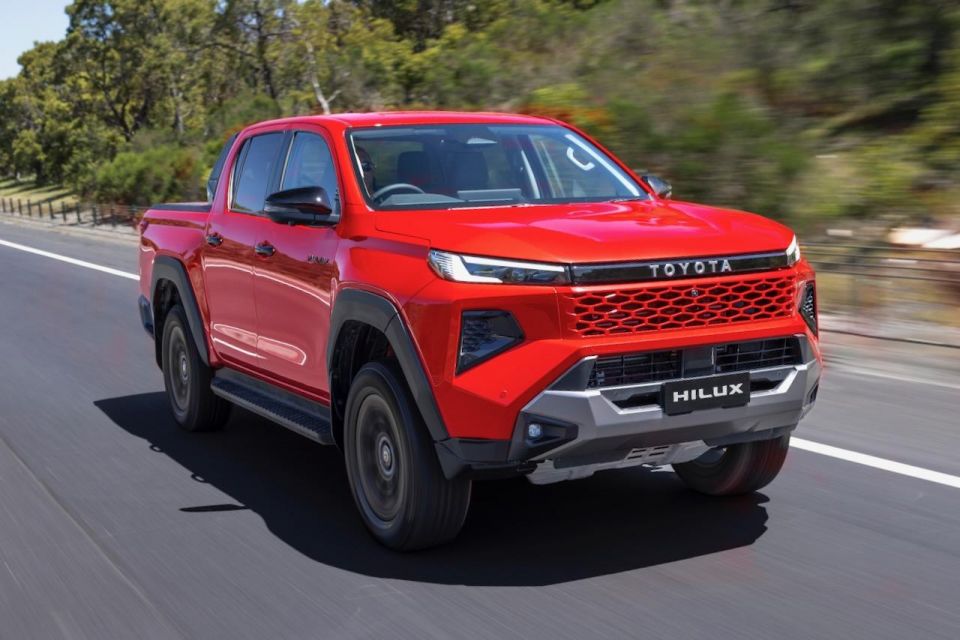
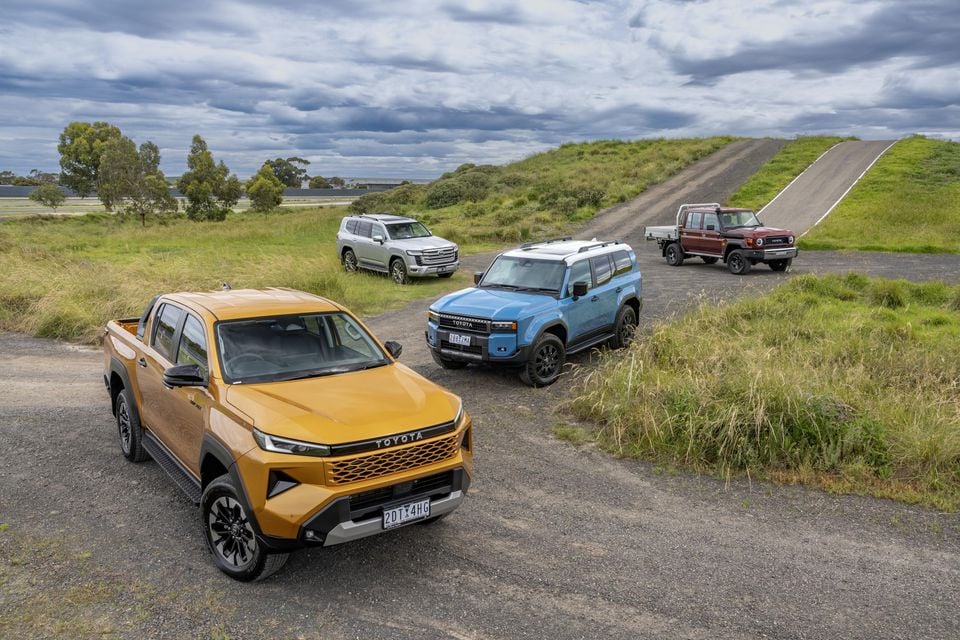
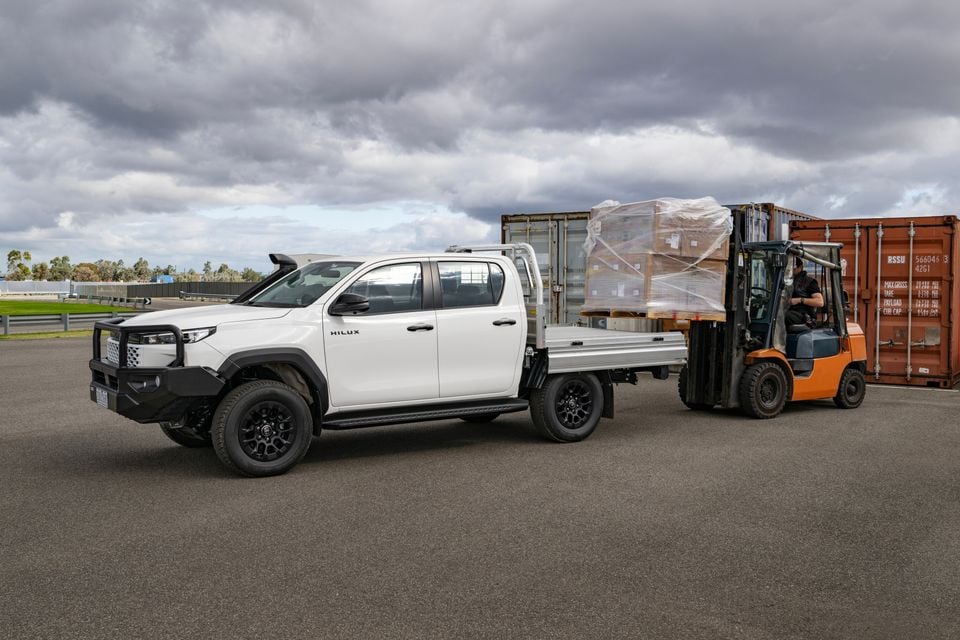
Toyota Australia is lobbying the federal government for changes to emissions regulations it says could unfairly push up prices for some of its most popular diesel models, including the HiLux and LandCruiser 70 Series light commercial vehicles (LCVs).
Compliance with the federal government's New Vehicle Efficiency Standard (NVES) has been enforced since July 1, 2025, and the legislation requires a review of the scheme to commence before the end of 2026.
The NVES sets annual average CO2 emissions limits for new vehicles supplied by automakers, with different targets for passenger vehicles and LCVs, and financial penalties for those that ultimately fail to meet their obligations.
Current emissions targets are set through to 2029, with the review set to help determine how the NVES operates beyond then.
Some critics of the current rules have noted there is no national target date for all new vehicles to be zero-emissions. The Australian Capital Territory (ACT) has set a target for 100 per cent of all new vehicles sold there to be zero-emissions by 2035.
The review comes as electric vehicle (EV) sales, which produce zero tailpipe emissions, continue to reach record market shares in Australia, outselling both petrol and diesel vehicles in August and September 2026.
Australian market leader Toyota, which has also recorded strong sales growth for its bZ4X mid-size electric SUV this year, says the NVES will put increasing pressure on new vehicle prices from 2027, particularly light commercial vehicles, unless the scheme becomes more “fair and equitable”.
“EVs have had good growth, which is great, [but] when you talk about rural and regional Australia, it's not exactly like that,” said Toyota Australia vice president of sales, John Pappas.
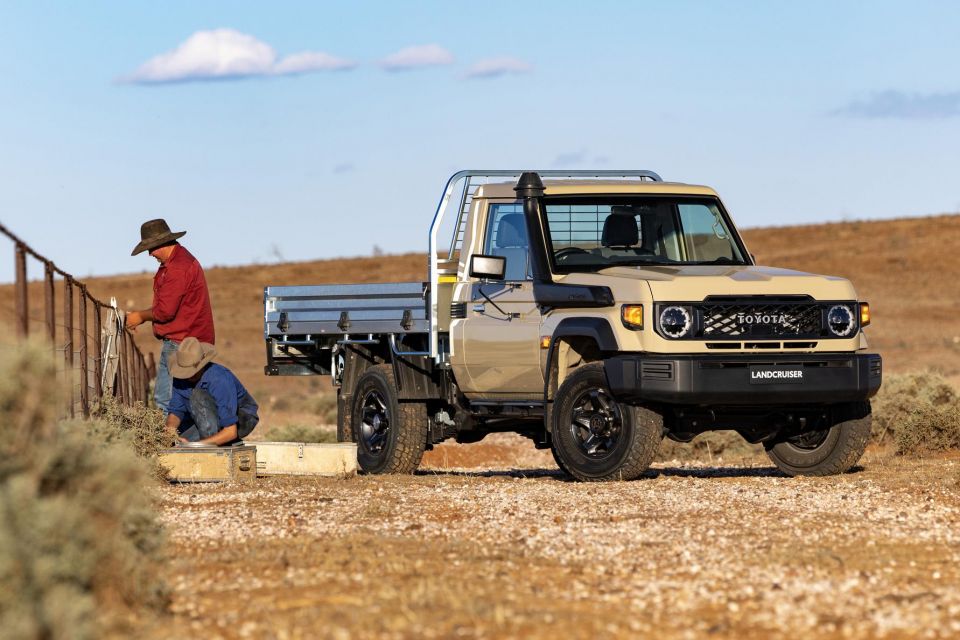
“[This is] for all the reasons we all know around charging infrastructure, long distances and all these things; they're all real challenges, right? Diesel powertrains and these types of powertrains are the right tool of trade for regional and rural Australia.
“And you can even see it not only in our demand, you can see it in others in the ute segment and what's going on there.”
The top-selling vehicle in Australia so far this year is the Ford Ranger ute, which is predominantly diesel-powered apart from the twin-turbo petrol V6 Raptor flagship and the Hybrid range, which has a petrol plug-in hybrid powertrain.
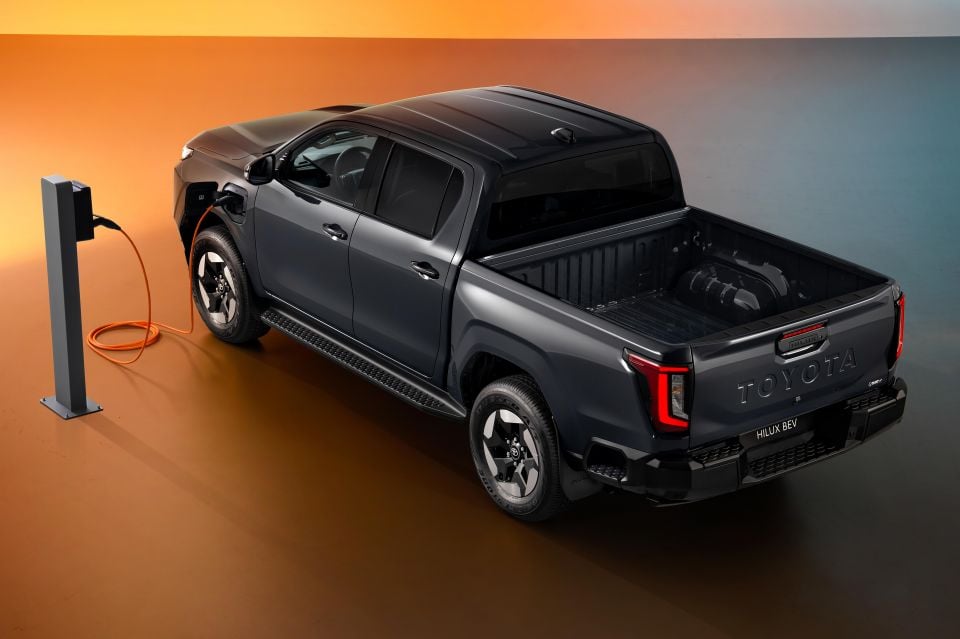
Behind it in second place is another ute, the Toyota HiLux, which is predominantly diesel-powered (including versions fitted with 48-volt mild-hybrid technology) except for the battery-electric HiLux BEV that went on sale in May 2026.
The Tesla Model Y mid-size electric SUV is next on the year-to-date sales charts.
The NVES has already contributed to price increases for models including the Ranger and Ford's petrol-powered Mustang sports car, while other brands including Mazda, Isuzu and Ram have also warned of higher prices under the scheme.
In its State of EVs 2026 report published last month, the Electric Vehicle Council said NVES was key to the federal government achieving its 2035 emissions-reduction target as part of its longer-term goal of reaching net-zero emissions by 2050.
Mr Pappas said price rises from 2027 could unfairly affect rural and regional Australians, and Toyota would raise its concerns with the government as part of the NVES review.
“First and foremost, we are and have always been very supportive of a new vehicle efficiency standard,” Mr Pappas said.
“We’ve been decarbonising for over 20 years with hybrid technology, so we've had battery-electric technology for over 20 years with the first introduction of the Prius and so we’re all for it.”
Toyota says it follows a policy of “leaving nobody behind” across the roughly 190 markets in which it competes, with its “multi-pathway” strategy offering several different powertrain types – including petrol, diesel, hybrid, electric and soon even hydrogen – depending on the market.
“The big challenge comes from 2027 when it comes to light commercial vehicles. We fully support NVES. We fully support having an ambitious albeit equitable and pragmatic NVES, and when you look at the LCV segment, you can see that you're going to be leaving customers behind because they need those vehicles.”
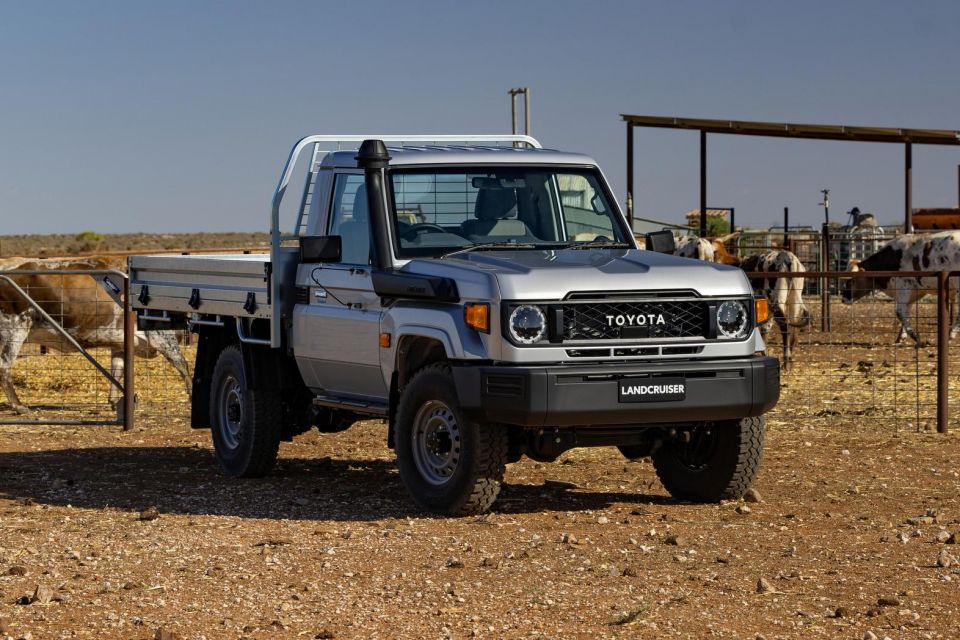
When asked by CarExpert what Toyota Australia would propose to the government as part of the NVES review, Mr Pappas said the Japanese automaker will continue to introduce more zero-emissions vehicles, but that customer demand and government regulation needed to be “balanced”.
“We’ll be consulting government to be able to really look at a more pragmatic, realistic light commercial vehicle target under NVES that is more equitable to the Australian market. That's what’s really important,” he said.
Research cars in our Showroom, compare your options or let our New Car Specialists do the running around to find you a great deal.
Damion Smy is an award-winning motoring journalist with global editorial experience at Car, Auto Express, and Wheels.
William Stopford
3 Hours Ago
Damion Smy
16 Hours Ago

Elle Baillieu
16 Hours Ago
William Stopford
16 Hours Ago
William Stopford
16 Hours Ago
Damion Smy
17 Hours Ago
Add CarExpert as a Preferred Source on Google so your search results prioritise writing by actual experts, not AI.