




Alborz Fallah
EREVs easier, cheaper to repair than PHEVs, claims Chinese brand
Chery's iCaur brand, due here in 2027, says extended-range electric vehicles have key advantages over more common plug-in hybrids.
2 Hours Ago
Toyota will build a next-generation EV in China before Japan, marking a major shift for the Japanese giant as it adopts new gigacasting technology and responds to the rapid growth of China’s electric vehicle market.

Journalist
Journalist
Toyota is set to build a next-generation electric vehicle (EV) in China before Japan, marking a major shift in the Japanese automaker's approach to developing and manufacturing its most advanced models.
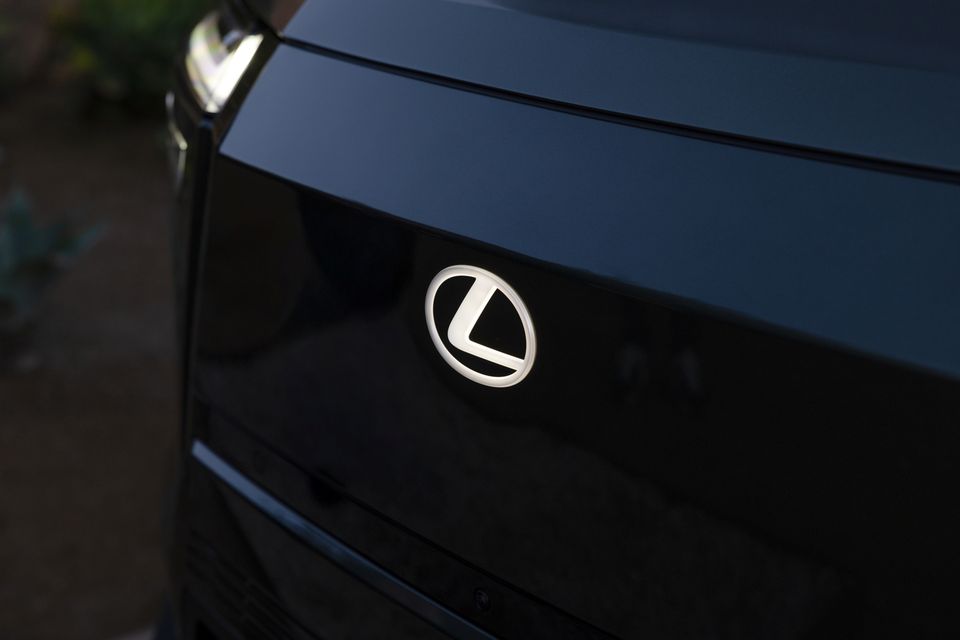
According to a report from Nikkei Asia, the new-generation model will be an electric SUV sold under the Lexus luxury brand, with production scheduled to begin at the company’s new Shanghai plant in autumn 2027.
It will be the first time Toyota has put a next-generation vehicle featuring its latest production technology into production in China ahead of Japan, breaking from a long-standing Japan-first strategy.
The move reflects the growing importance of China to Toyota’s EV plans, with the company establishing its new Shanghai operation specifically to develop and build Lexus battery-electric vehicles.
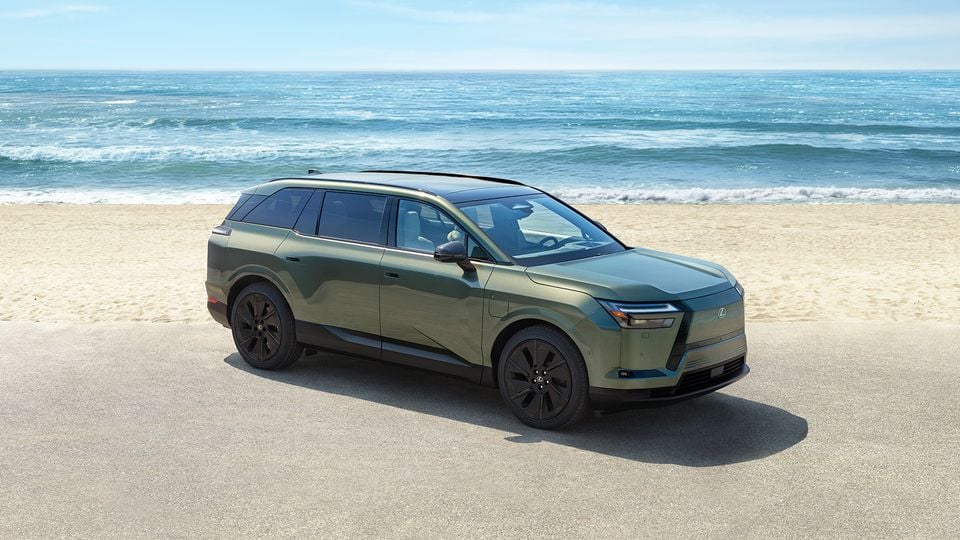
Toyota previously confirmed its wholly owned Shanghai company would develop and produce Lexus EVs and batteries, with production due to begin in 2027.
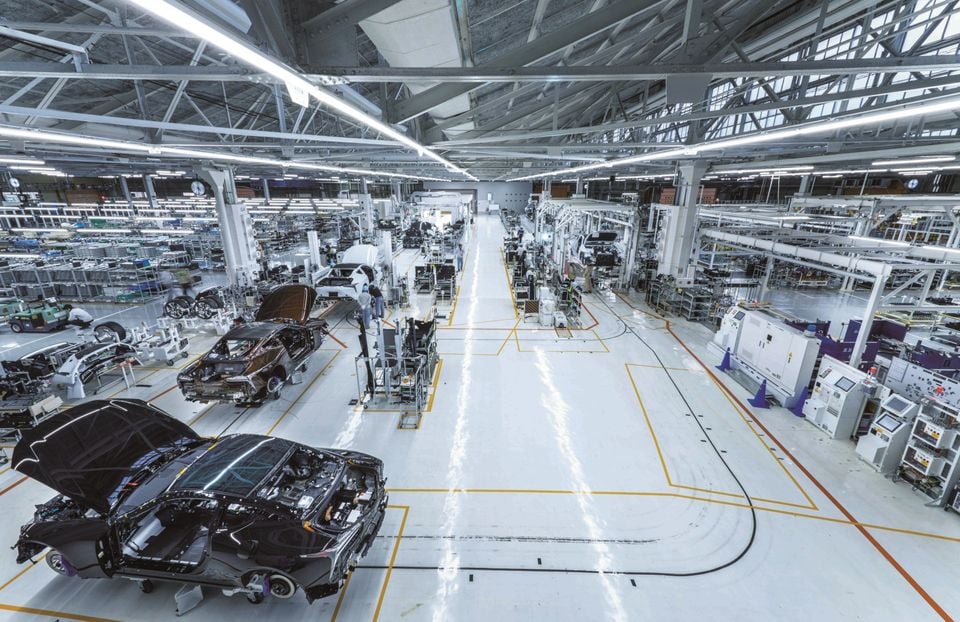
The new plant, located in Shanghai’s Jinshan district, is Toyota’s first wholly owned EV manufacturing facility in China and is being developed with an investment of around 14.6 billion yuan (~A$3 billion).
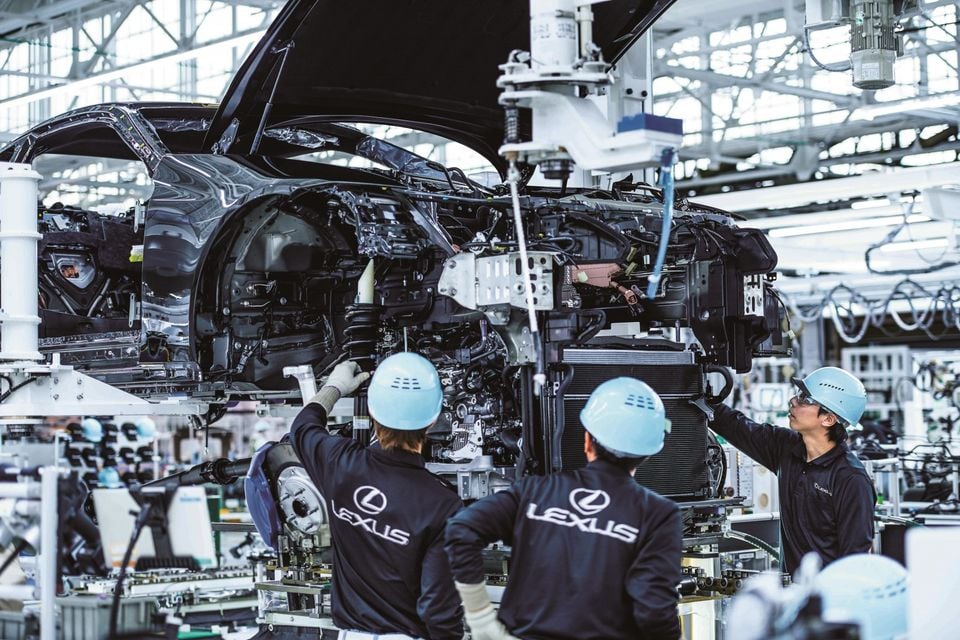
The new Lexus is expected to use gigacasting, a manufacturing process pioneered by Tesla that allows multiple aluminium body sections to be produced as a single large casting.
Nikkei Asia says the technology can reduce the weight of some body structures by up to 20 per cent, while also increasing body rigidity and reducing the number of components and assembly processes required.
The resulting weight reduction could also provide a several-per-cent improvement in driving range.
Toyota revealed it was working on gigacasting technology in 2023, with the company previously demonstrating equipment capable of producing a large section of a vehicle body in around three minutes.
Production of the new Lexus is reportedly expected to start at around 1000 vehicles per month during its first year, before increasing to tens of thousands of vehicles annually from 2028.
The China-built Lexus has not yet been revealed, although it's expected to be an SUV. Its exact name, specifications and whether it will eventually be exported remain unknown.
Toyota's decision to put China ahead of Japan is significant given the country's dominance of the global EV market.
China accounted for 8.57 million battery-electric vehicle sales last year, around 60 per cent of the global total, according to GlobalData. That was more than three times Europe's volume and more than 100 times Japan's.
The move also comes as Toyota faces increasing pressure from Chinese manufacturers, with brands such as BYD rapidly developing EVs with competitive pricing, technology and short development cycles.
Toyota has already been tailoring its Chinese EV products to local buyers, including models featuring technology from Chinese electronics giant Huawei. The company also recently redirected development away from an electric sedan in Japan towards SUV models better suited to Chinese demand.
For Lexus, the shift is particularly important. The luxury brand sold 182,458 vehicles in China in 2025, compared with 370,260 in the US, highlighting the size of the opportunity in the world's largest EV market.
There's currently no indication the new Shanghai-built Lexus will come to Australia, with the model understood to be primarily aimed at Chinese buyers.
Toyota has never exported any of its wide range of Chinese-built vehicles to Australia, though other Japanese brands have started exporting Chinese-built models to our market. That includes Mazda with its 6e and upcoming CX-6e, while Nissan is also expected to launch a range of Chinese-developed vehicles including the Frontier Pro plug-in hybrid ute to our market.
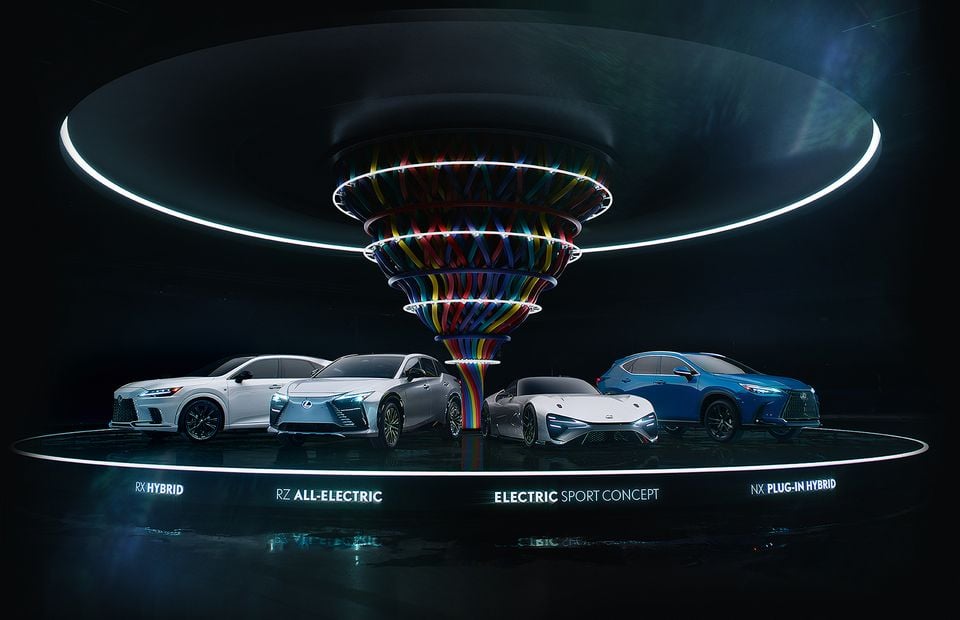
Lexus Australia currently sells two EVs: the RZ crossover SUV and ES sedan. The large TZ electric SUV revealed this year has yet to be confirmed for Australia, however it's likely for our market given it's been locked in for a New Zealand launch in 2027.
The significance of Toyota building its most advanced EV in China could extend well beyond the Chinese market.
The technology, manufacturing processes and EV platforms developed at the Shanghai plant could eventually influence future Lexus models sold globally.
Dave is a Kiwi motoring journalist with experience in motorcycle racing, new car sales, radio and communications.
Alborz Fallah
2 Hours Ago
Alborz Fallah
3 Hours Ago
Alborz Fallah
3 Hours Ago
Alborz Fallah
4 Hours Ago

Ben Zachariah
6 Hours Ago

Ben Zachariah
6 Hours Ago
Add CarExpert as a Preferred Source on Google so your search results prioritise writing by actual experts, not AI.