




Alborz Fallah
EREVs easier, cheaper to repair than PHEVs, claims Chinese brand
Chery's iCaur brand, due here in 2027, says extended-range electric vehicles have key advantages over more common plug-in hybrids.
2 Hours Ago

Journalist
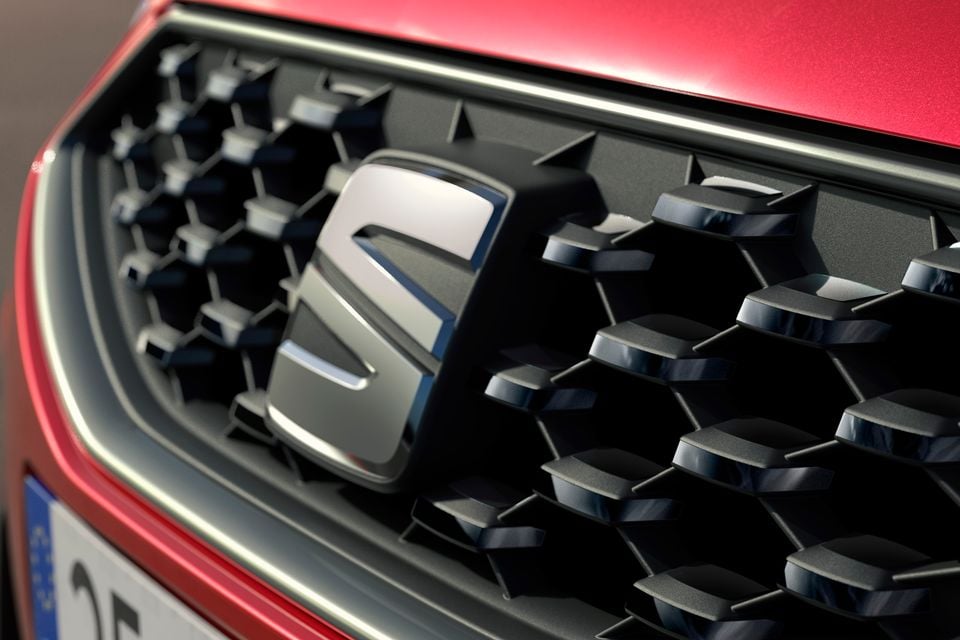
Volkswagen is reportedly planning to euthanise Seat as part of its ongoing drive to cut costs and restructure the company amid intensifying competition from Chinese automakers.
According to WirtschaftsWoche, Volkswagen's management team has agreed to phase out the Seat brand by 2029, as keeping it "in its current form would tie up additional resources".
The proposal is part of a 147-page report, which will be presented to the supervisory board on Friday, European time. It states: “the Seat brand will be phased out in an orderly and cost-efficient manner by the end of 2029 at the latest, while ensuring continued support for existing customers and the fulfilment of existing obligations".
Although Seat's death has yet to be officially approved, Volkswagen has reportedly removed the brand from its strategic planning.
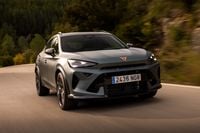
While Seat seemingly has a one-way ticket to the graveyard, its legacy will live on via sister brand Cupra. Like R and GTI are for Volkswagen, Cupra was originally used as a designation for Seat's sporty variants from 1996 onwards.
After Volkswagen reportedly failed in 2011 and 2018 to purchase Alfa Romeo from Fiat Chrysler, and failed to pitch Seat as the Spanish Alfa, Cupra was spun off as a standalone sister brand in 2018.
It wasn't until 2020 when the Formentor was introduced that Cupra began to populate its range with unique models. Today, the brands still share the Leon hatch and wagon, as well as the Ateca SUV.
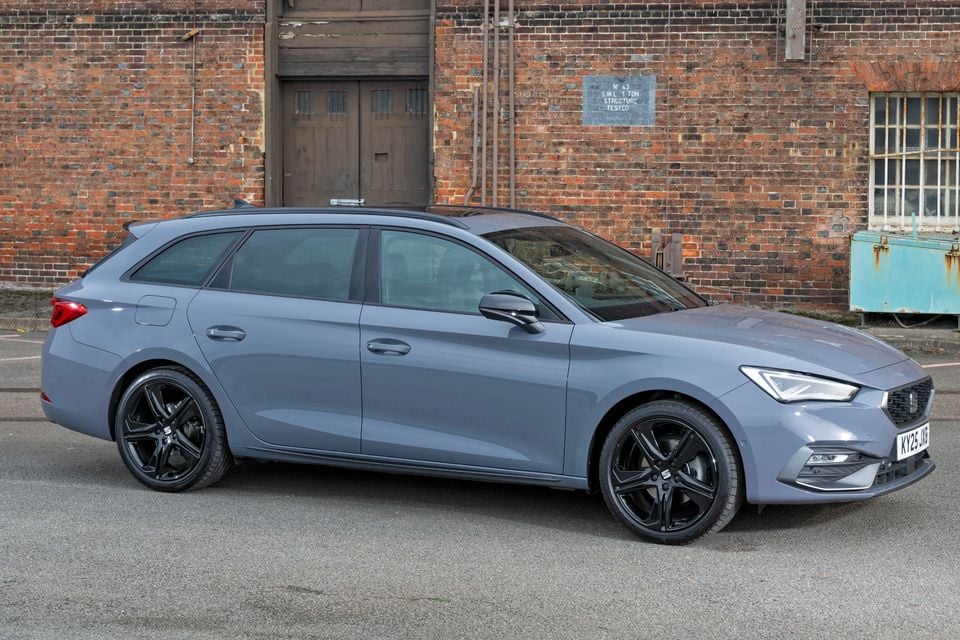
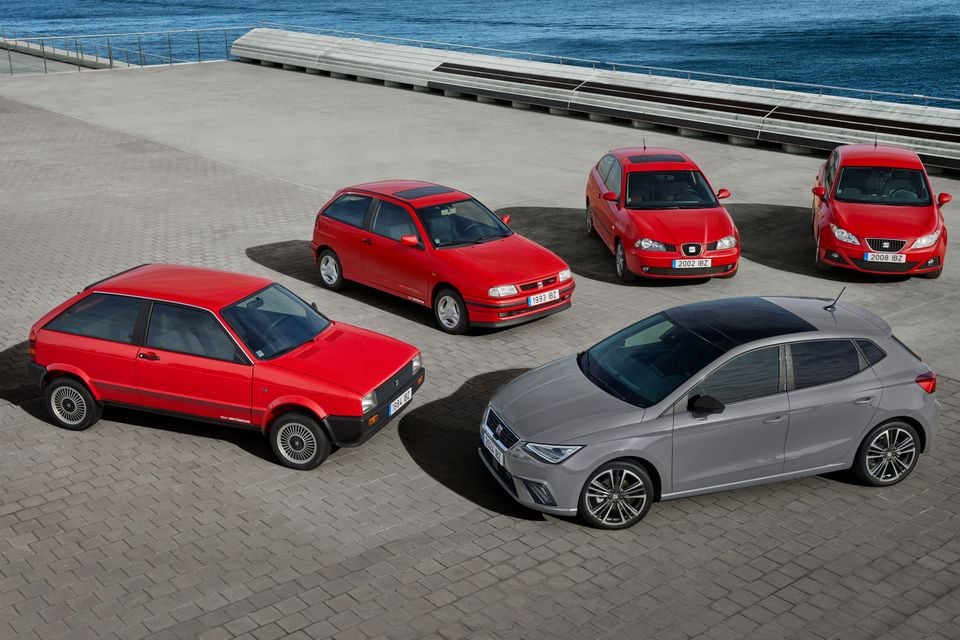
Right now, the Seat range consists of only four models in Europe – the aforementioned Leon, as well as the 4.06m Ibiza hatch, 4.14m Arona SUV and 4.38m Ateca SUV. Both the Arona and Ibiza were launched in 2017, and were given their second facelift last year.
With its more favourable brand positioning, as well as a family of larger and more profitable vehicles, Cupra has grown while Seat has been starved of new product, except the Leon, since the spinoff.
This has been reflected in the sales figures, with Cupra growing 32.5 per cent last year to 328,800 vehicles, and Seat shrinking 17 per cent to 257,400.
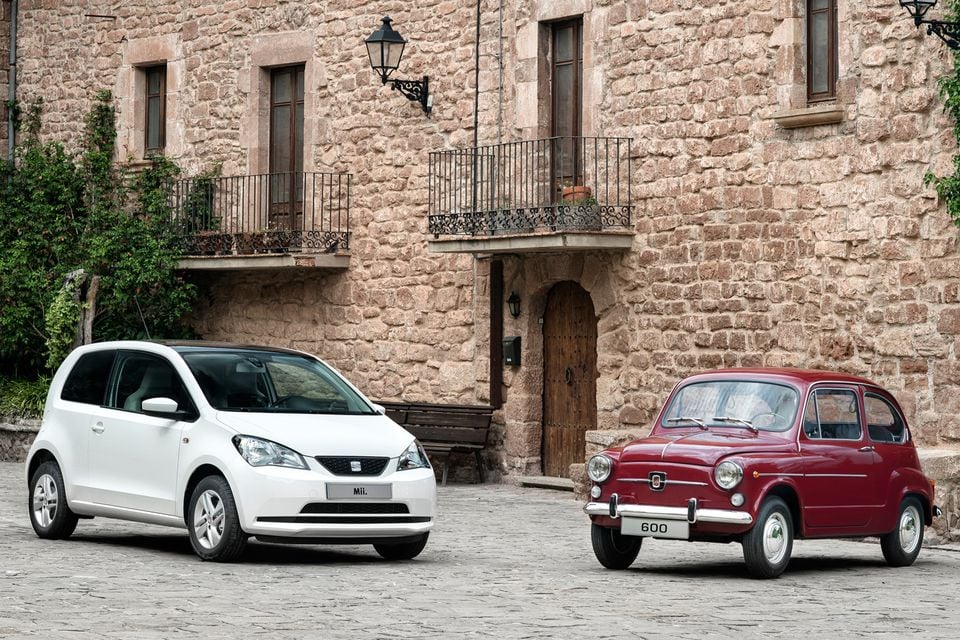
Sociedad Española de Automóviles de Turismo, or the Spanish Passenger Car Company, was established in 1950 as a joint venture between a consortium of local banks, as well as Fiat, and the Franco-led Spanish government, which wanted to industrialise the country after the ravages of the civil war.
Naturally, all of Seat's cars from this era are lightly reworked Fiats, and the company enjoyed a stranglehold on the local market thanks to the country's protectionist trade policies.
That all began to change in the early 1980s as the market was opened up in advance of Spain's ascension to the European Economic Community, a forerunner to today's EU. Around the same time, Fiat refused to inject new capital into Seat, and formally ended their relationship in 1982.
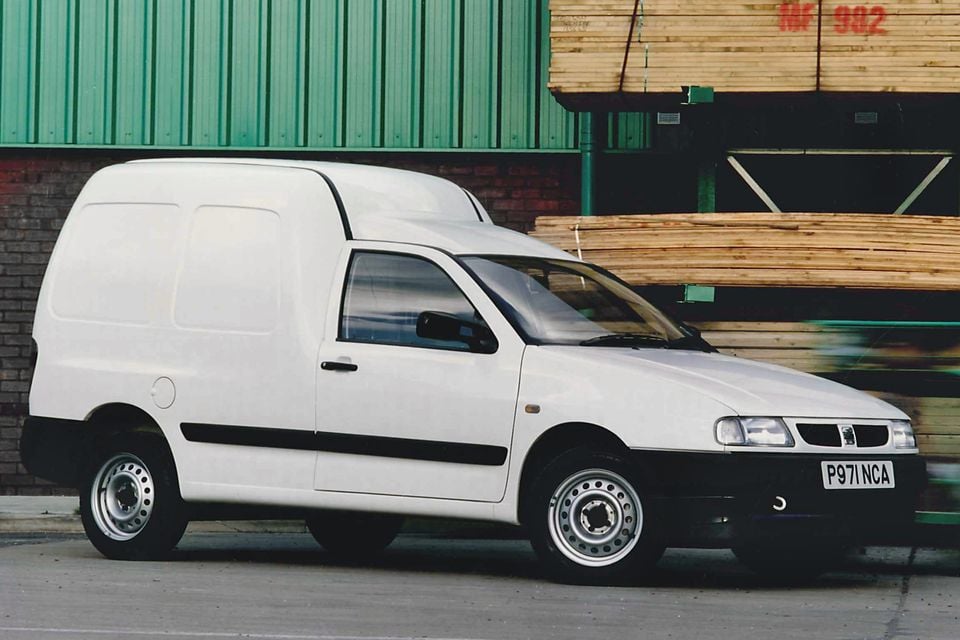
Volkswagen quickly stepped in for the rebound, first as a benefactor, then as a majority shareholder in 1986, and finally in 1990 as the owner. Thanks to the German automaker’s lower-cost manufacturing base, Seat slotted in underneath the Volkswagen brand, but it soon had to share this market position when Volkswagen began investing in Skoda in 1991.
Seat was available in Australia between 1995 and 1999. The brand beat a strategic retreat after the Ibiza hatch, Cordoba sedan and Toledo liftback failed to find enough local fans. The Spanish firm returned to our shores in 2022 when it launched cars under the Cupra marque.
Research cars in our Showroom, compare your options or let our New Car Specialists do the running around to find you a great deal.
Derek Fung would love to tell you about his multiple degrees, but he's too busy writing up some news right now. In his spare time Derek loves chasing automotive rabbits down the hole. Based in New York, New York, Derek loves to travel and is very much a window not an aisle person.
Alborz Fallah
2 Hours Ago
Alborz Fallah
2 Hours Ago
Alborz Fallah
3 Hours Ago
Alborz Fallah
4 Hours Ago

Ben Zachariah
6 Hours Ago
Ben Zachariah
6 Hours Ago
Add CarExpert as a Preferred Source on Google so your search results prioritise writing by actual experts, not AI.