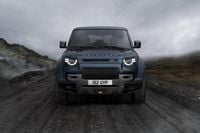





James Wong
2027 Chery Tiggo 7 Super Hybrid review
Chery's popular plug-in hybrid medium SUV remains among the cheapest offerings in a growing segment – but is it still worth your consideration?
1 Day Ago
Australians may not have a huge appetite for ultra-expensive SUVs, but the Defender OCTA offers more than just vanity. Here's why.

Marketplace Journalist
Marketplace Journalist
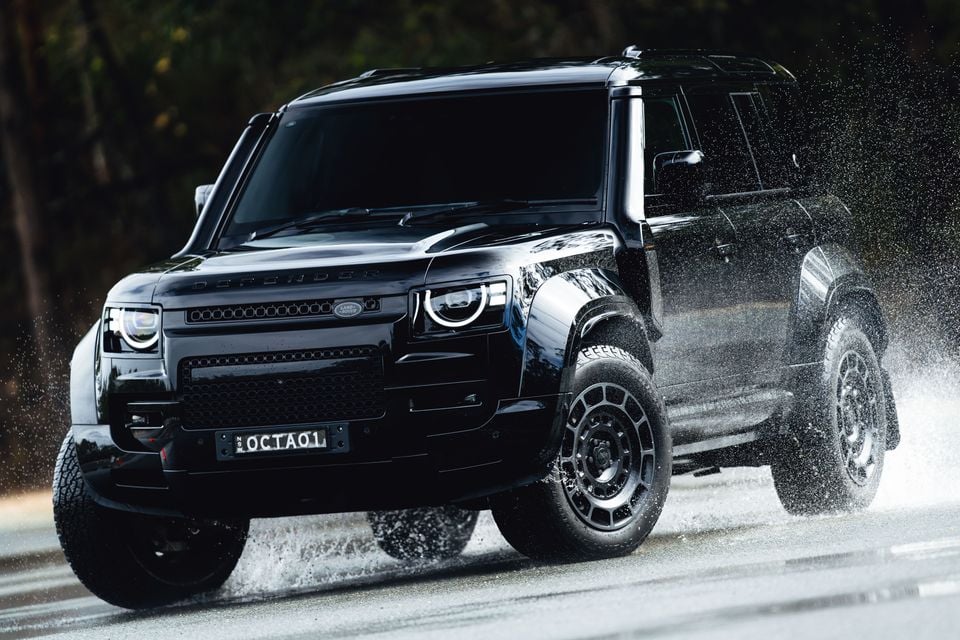
It's not often you get to experience the full capability of a model range as enduring as the Land Rover Defender.
Such vehicles are stereotypically associated with high-income urban environments where owners already have a full garage of toys, used primarily for private-school drop-offs. It's even rarer to see something like the $305,200-plus Defender OCTA put through its paces in the real world.
But that's what we've just done after Jaguar Land Rover (JLR) invited us to the RACQ Mobility Centre at Mount Cotton south of Brisbane to sample a small portion of the seemingly infinite Defender catalogue.
The day promised a selection of activities, though only one properly captured the OCTA's USP. The others were intended to push the Defender out of its comfort zone in far harder driving than most owners would undertake on the streets of Toorak or Vaucluse.
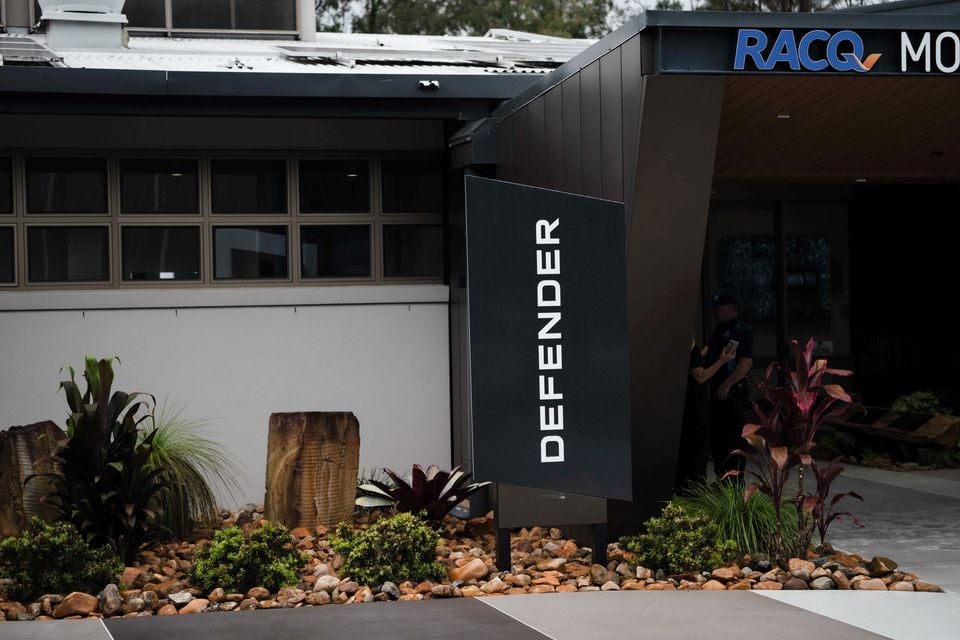
And so after an early-morning flight and a short shuttle, we were at the the RACQ's driver training centre, where the bougie clubhouse and the clientele certainly reflect both the increasingly affluent location and the image of the Land Rover brand these days.
A glance over the car park revealed the type of individuals this drive day had attracted. A plethora of high-end Range Rovers, a mint old-school Defender, and a mint (coloured) Ferrari all contributed to a temporary uptick in local land value.
Not-so-wealthy auto journalists were only in attendance for a short period of an otherwise multi-day experience tailored towards Land Rover owners – both current and potential. Still, we were more than happy to tag along and pretend like we fitted in.
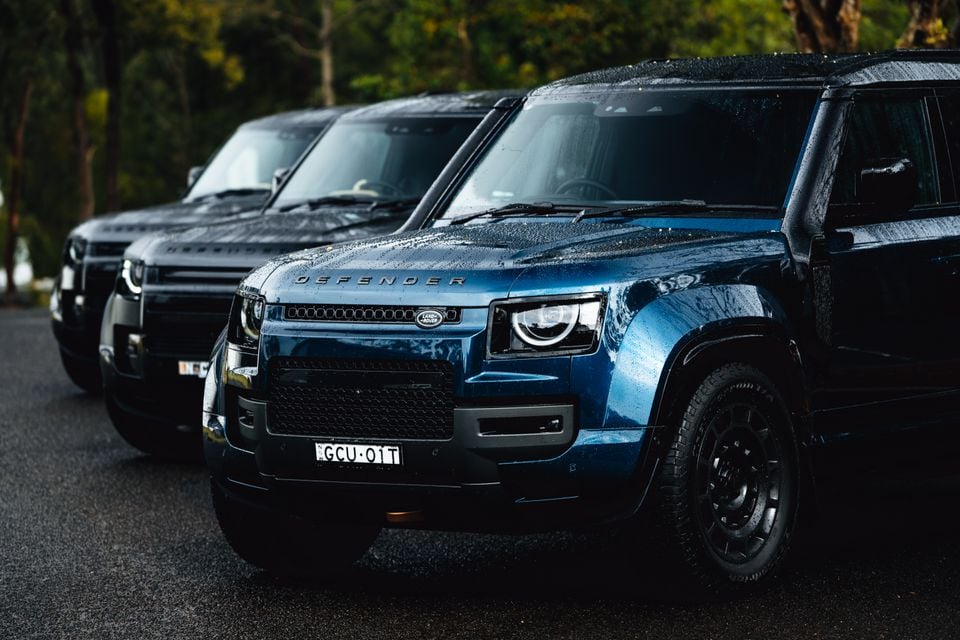
The day's outline was simple: small groups would cycle through a rotation of three activities, each intended to expose the Defender's strengths and versatility in different ways. Several Defenders were on hand, but the OCTA was the star of the show.
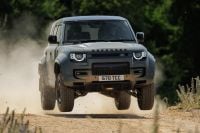
You may be wondering what an OCTA even is. Put simply, it's a heavily beefed-up Defender with 33-inch all-terrain tyres, greater ground clearance, and a noticeably wider track than the standard Defender.
It has quad exhaust outlets, unique adaptive dampers, a BMW-sourced mild-hybrid 4.4-litre twin-turbo petrol V8, a performance-focused off-road setting called 'OCTA Mode' and – believe it or not – launch control. You only get 100 launches in the OCTA's lifetime, though.
And, of course, it is insanely expensive. It earns the distinction of being the most expensive vehicle I've ever driven, a fact that sat a bit less comfortably after other attendees, who had been to the facility before, told stories of local trees and wildlife that often misunderstood the concept of personal space.
Not to worry, because JLR naturally employed an army of experienced and charismatic instructors to help us along. So after a quick lunch, it was time to roll.
First up for my group was the skid pan. Here, the organisers had laid out something of a motorkhana course with two slaloms, short acceleration zones, and tight hairpins. Oh, and the water sprinklers were on.
The idea was to feel how the OCTA's different drive modes behaved and to understand how the vehicle reacted to sharp changes of direction in low-grip conditions. Fitting, then, that it was still on its standard all-terrain tyres.
Two cars were on hand for this activity, and the first couple of 'laps' were done riding shotgun while the instructors talked us through the basics. The advice that stuck with me was to be patient and smooth, which seemed easy enough.
My turn behind the wheel came a moment later and, with limited experience of the Defender in general, it was difficult to know what to expect – especially the pace of the OCTA off the line.
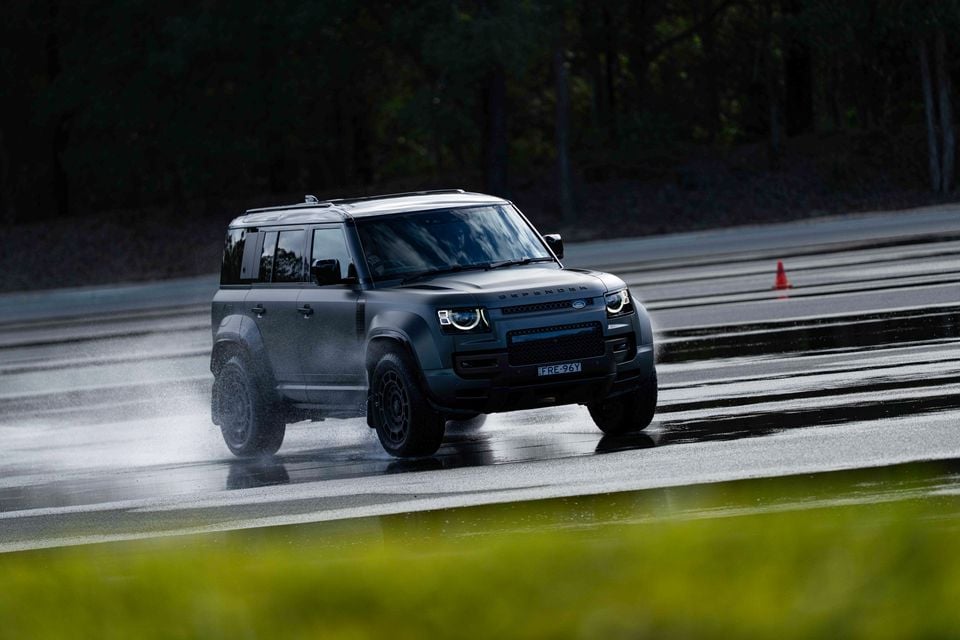
In a flash, I'm in the first slalom, where the heft of the OCTA's body makes my driving seem floppy and messy. My sense of coordination has conveniently abandoned me.
Then I'm on the brakes hard, winding on the steering lock, and trying to get on the throttle, much to the dismay of the traction control system that firmly blocks my ham-fistedness. As quickly as it started, my first run is over.
Okay, not great, but the instructor is encouraging. His constant flow of instructions turns into constructive feedback once we've come to a stop, reaffirming above all else that I need to be more patient and more smooth. Good thing there's a second run.
This time, however, we're switching from the road-focused Dynamic mode to the party piece – OCTA mode. It's supposed to be better at soaking up high-speed off-road bumps using the advanced 6D Dynamic suspension, which naturally means it's more roly-poly on-road.
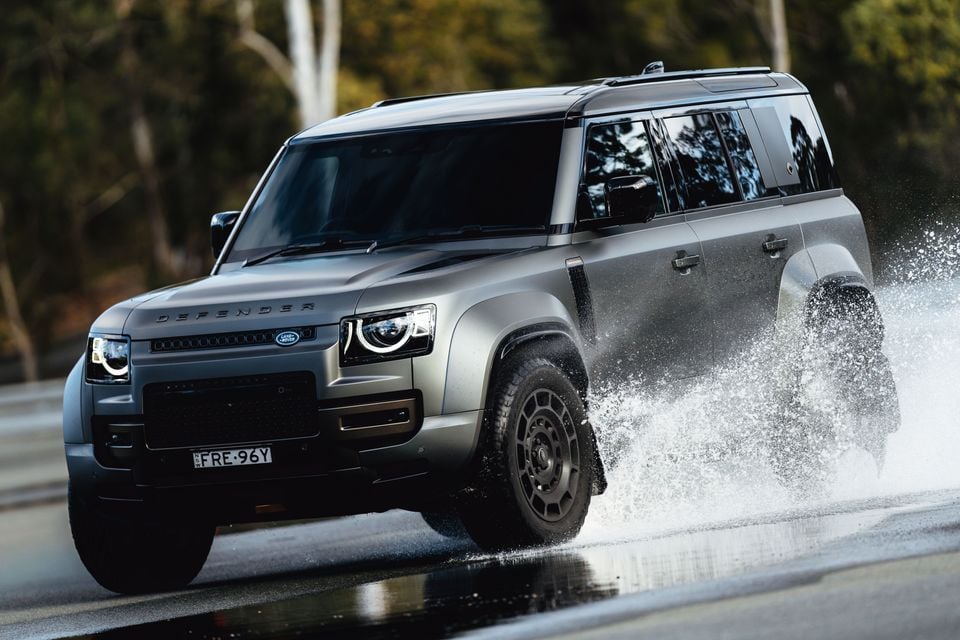
But the key is that it also adjusts the anti-lock braking and stability control. Immediately, there's more rear-end slip in the slalom, a lot more activity under braking, and serious squat on full throttle.
You still have to be patient, though, which is something I feel I'm doing better this time. Deliberately waiting to jump on the throttle rewards me with a small powerslide as it shoots off, and the traction control seems happier.
As does the instructor, who offers a little more positivity in his feedback. With that in mind, I shuffle over to the second OCTA and repeat the process. Dynamic mode, then OCTA, feeling better in the car with each run.
I felt best after what I thought was the last run, as I prepared to pull over and move on. The instructor instead egged me on to do yet another lap – and I'm glad he did.
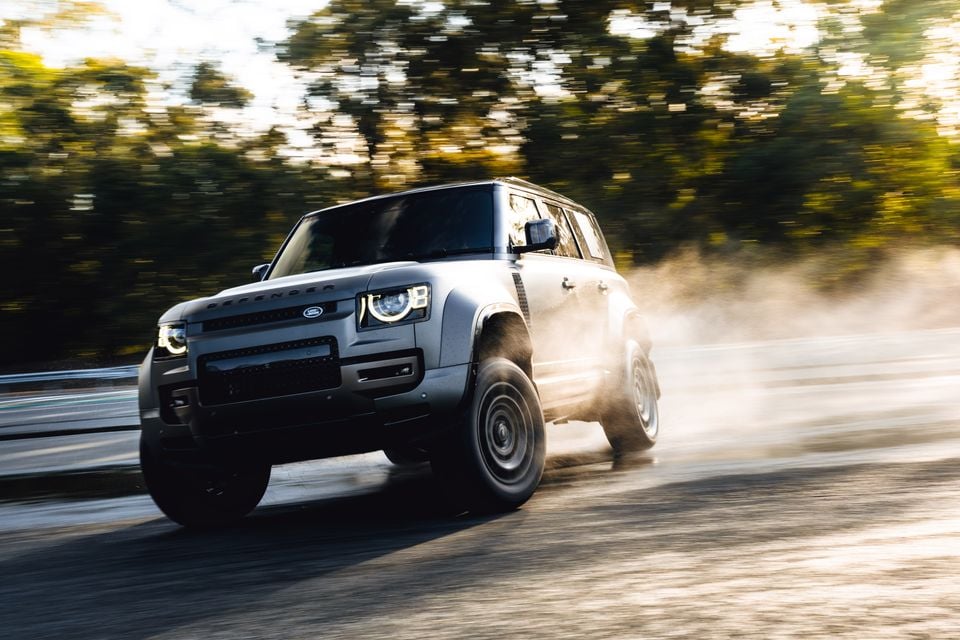
Now, I understood where the grip was, and how much slip the OCTA was willing to allow. Powersliding out of each hairpin and pivoting the rear through the slalom was all the affirmation I needed, and the car felt good as I wrestled with the colossal steering wheel. Great fun, really.
And once that was done, another instructor told me to jump in the passenger seat for a demonstration lap. Suffice it to say that I don't think there was a single moment when we weren't sliding.
So it was on to the next activity. While the skid pan was awesome but mostly irrelevant, it was time to go off-road, something the Defender has a reputation for being very good at. The OCTA exists mostly to build on that reputation.
This time, three Defenders were available, but only one OCTA, which happened to be the one I drove first. The instructor quickly explained that all we needed were low-range and, once at the start of the trail, Rock Crawl mode.
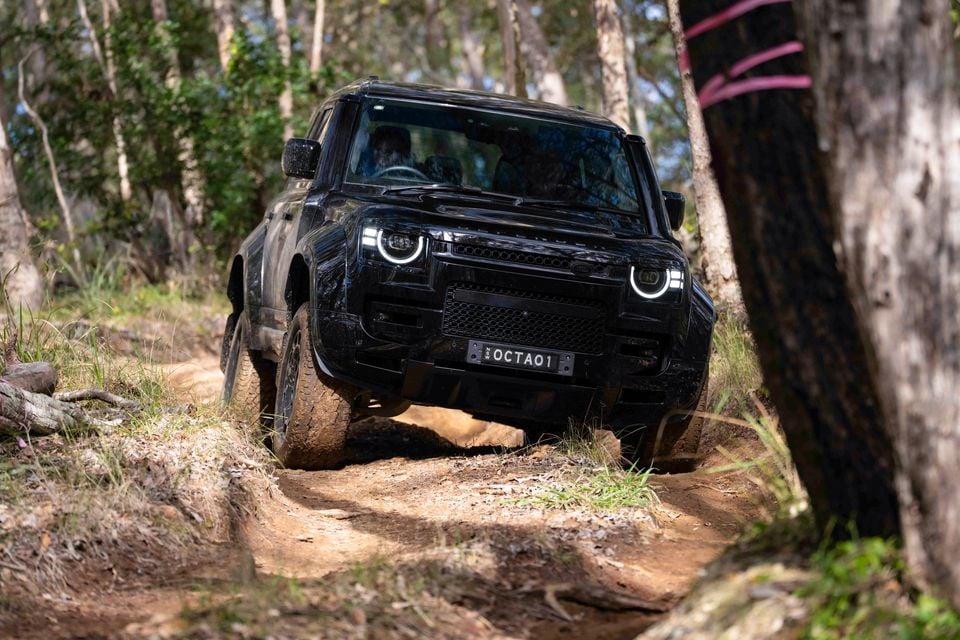
Both are easily enabled using buttons on the centre stack. Low-range is fairly self-explanatory, while Rock Crawl uses the Defender's hardware to make the going easier. This includes a substantial ride-height lift from the adaptive air suspension, and automatic differential locking.
And the OCTA made the short off-road course feel like a Sunday drive. It was hardly extreme off-roading, but the rocky climbs and offset downhill corners weren't exactly what you'd find on a regular gravel road, either.
Ground clearance and traction were of no concern, and constant throttle had it walking on through. The only tripping points were narrow sections with pesky trees on either side, which took some care not to clip in the enormous OCTA.
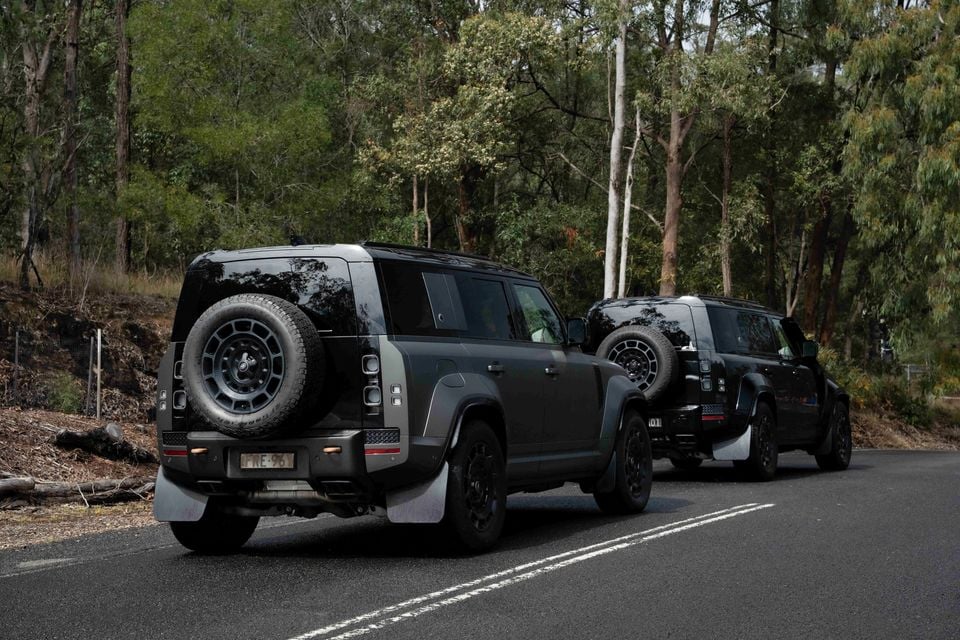
Also, the short on-road drive to the off-road course gave us our first impression of Mount Cotton's nonchalant wildlife. A pair of red-neck wallabies barely gave the armada of Defenders any mind as we passed by just a few metres away.
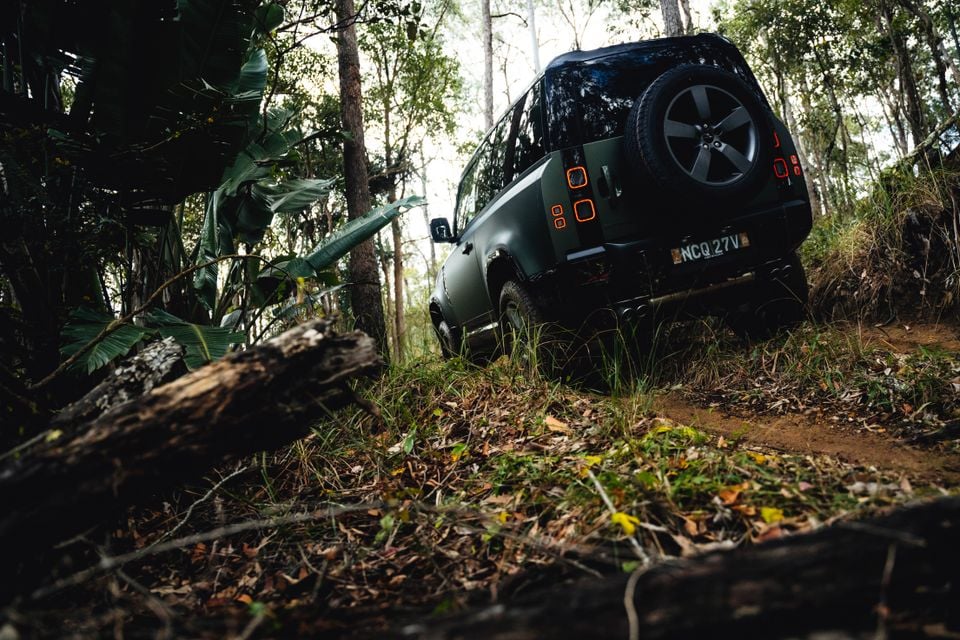
Following that, it was time to switch to my first non-OCTA Defender of the day: the endearing short-wheelbase, three-door Defender 90.
The Defender 'shorty' is fairly unique in the new-car world, and because it was fitted with the 313kW/550Nm 'P425' supercharged 5.0-litre V8, it had oodles of grunt. Plus, it just looks cool.
I'm grateful to have hopped straight into the 90 after the OCTA, because it clearly exposed the differences between the two. The 90 offered a far more interactive experience – producing more movement in the cabin, where every rock now felt like a boulder, and giving me a greater sense of the car's size.
But I'd also argue the 90 was more fun. It'll lift wheels over offset bumps where the OCTA's articulation shone, rock about as it navigates holes and off-camber turns, and more confidently navigate tight sections.
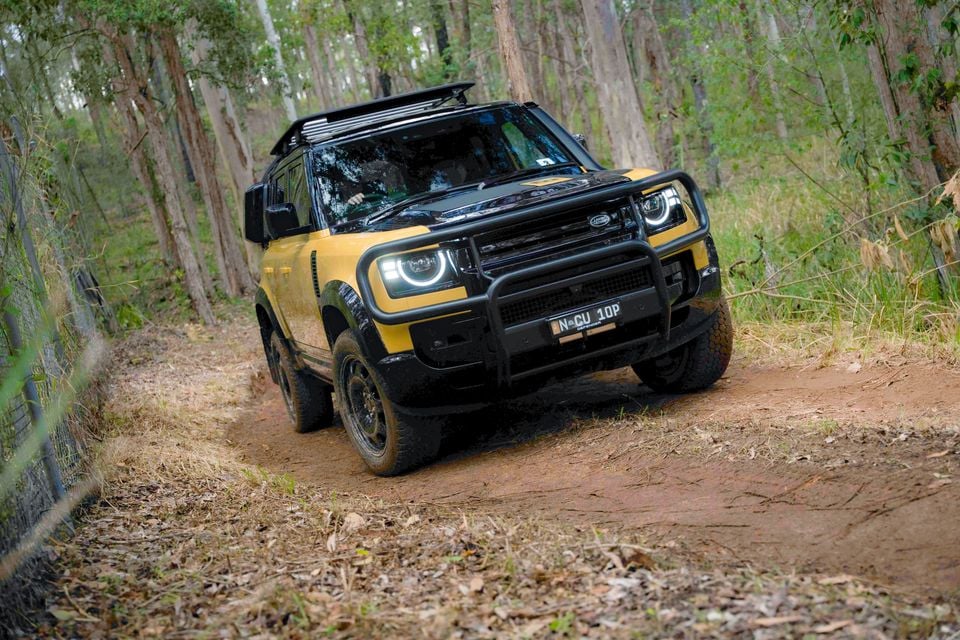
Again, the key is constant throttle and a bit of common sense in line choice. The 90 also has low-range and Rock Crawl settings, making everything just a touch easier.
Last but not least was the 110 Trophy Edition, fitted with the 'D350' diesel powertrain. It sits somewhere between the 90 and OCTA in terms of off-road performance, and it looked sweet with its accessories and 'Deep Sandglow' yellow paint.
Naturally, it was just as capable on the trail, but it was having issues with its suspension dampers overheating. That meant it couldn't maintain its suspension lift, giving us less articulation over rocks and holes and therefore reduced traction.
It was still able to soldier on, and the instructor helped manage that small hiccup. He also suggested I try Sport instead of Drive to stop the Defender from being so eager to shift up, which kind of worked, and to watch the 'ladders' on the side when navigating the tight spots.
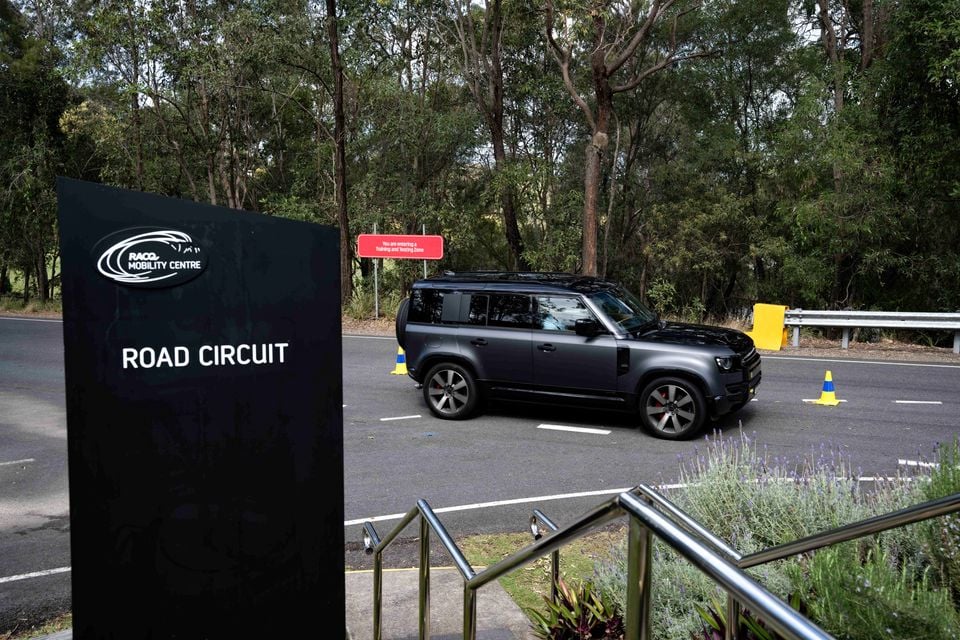
All told, the off-road experience largely reinforced the impression I already had of the Defender's capability. It's incredibly difficult to push the car out of its comfort zone, even on a 24-degree side slope. The next activity promised to change things, though.
The training facility has a road loop that is definitely not a racetrack but looks a lot like one. It's one-way, fairly smooth, and has a good mix of straights and various corner types – just the place for a big, circa-2.5-tonne off-road SUV!
Again, there were three vehicles and three laps in all, at roughly two minutes each. First up was a regular Defender 110 P425, which was really the better car than the A/T-equipped OCTA for the activity thanks to its highway tyres.
But sighting laps were the first order of business. From the passenger seat, I took in the track and its bends and cambers, while also doing my best to log the instructor's guidance.
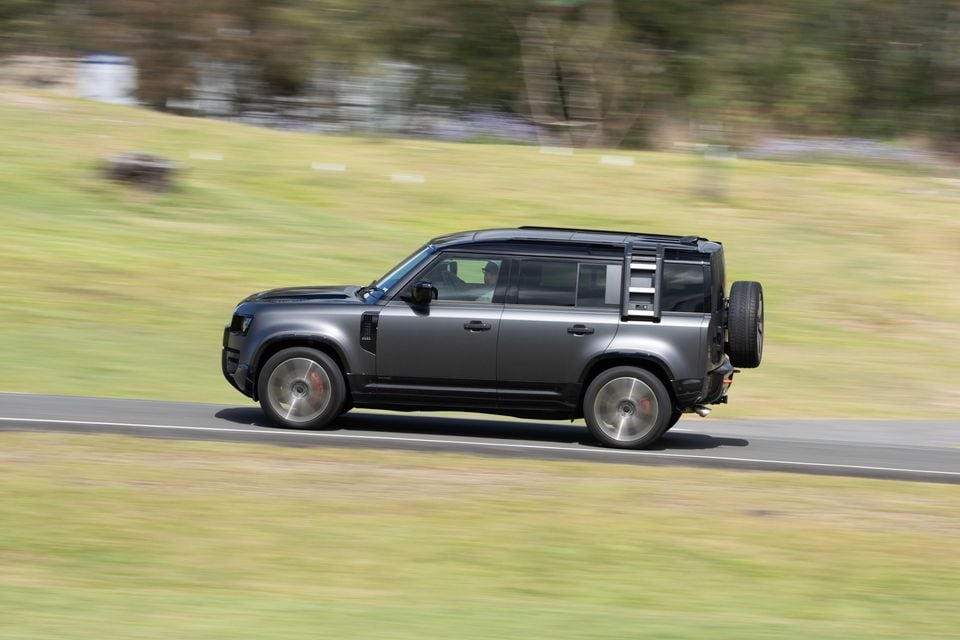
It wasn't long before my turn at the helm, and despite having a basic idea of the track's layout, my lack of coordination on the skid pan was striking again.
The vehicle's size combined with the nature of the driving at hand was messing with my head. I've never associated vehicles like the Defender with handling prowess, and it would be several laps before I was anywhere close to looking and feeling 'comfortable'.
A couple of factors quickly made themselves clear. The huge steering wheel is more akin to a ship's than a performance car's, and the seats lack the side bolstering necessary to keep you from flying across into your passenger's lap. Land Rover's off-road focus doesn't give you much in the way of road feel or feedback, either.
But there's still something special going on here. The suspension dampers – though not quite as fancy as the OCTA's 6D setup – do a surprisingly good job of keeping things in check. Dynamic mode makes this more obvious, and its body roll isn't all that offensive.
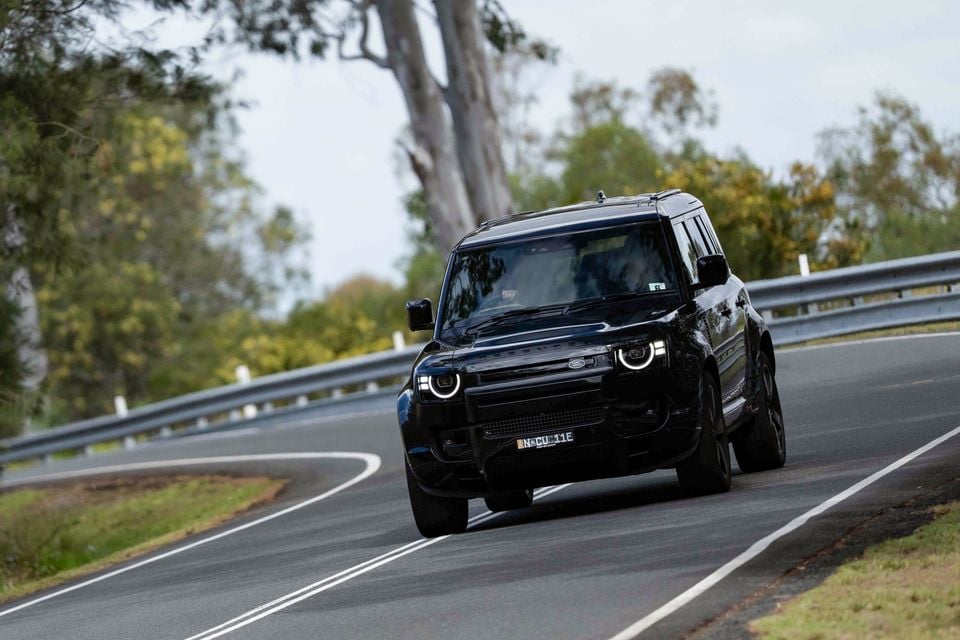
Then there's the power, which is plentiful, and the gearbox responds nicely to throttle inputs. Outright grip still comes at a premium, though, and frequent traction control interruptions have the instructor reminding me again to be patient on the throttle.
Above all, it's clear that line choice is incredibly important. The facility offers its fair share of tightening hairpins that seem to go on for an eternity – easy enough in a sports car, not so much in a Defender.
It's these turns where I'm waiting to jump on the power, and their position before and after straights where you can mash the throttle makes the course all the more challenging. At least the brakes appear up to the task.
Oh, and the activity's late-afternoon time slot meant the wildlife was especially active. Another one of those wallabies conveniently volunteered to mark the apex of a medium-speed bend for the duration of our running.
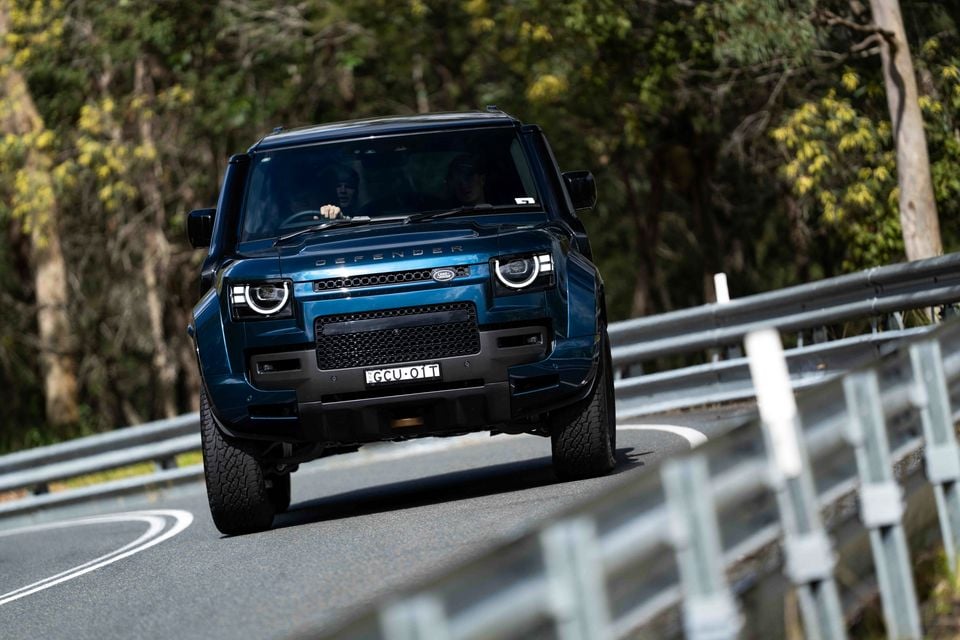
Anyway, after getting my eye in with both P425 models, it was time to round out the day in the OCTA. With that twin-turbo V8, this was sure to be a blast.
To set things off, we started our OCTA run in Dynamic mode. This is where the 6D dampers really shine, because they're turned up to some mind-boggling pressure to improve handling and stability.
They can also actively mitigate nose-dive under braking and better control body roll, giving the OCTA a clear dynamic advantage over the regular Defender. Driving them back-to-back made that clear.
It's still huge, of course, and the all-terrain tyres make it difficult to be accurate. That doesn't mean you can't have any fun, because there's something about holding on to such a big, powerful beast while maintaining your cornering speed that really gets the brain working.
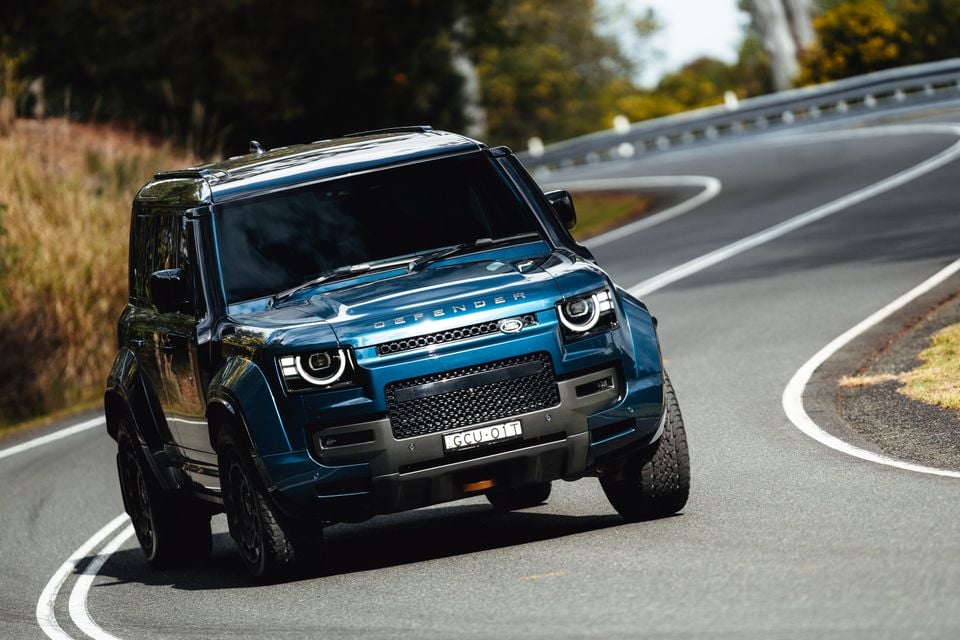
The sensory experience is elevated on the straight. I've never heard a car make quite as much noise as this under full throttle, and though the sound may be artificially amplified inside the cabin, the volume with which it envelops you is simply otherworldly.
In a flash, I've gone from 70km/h to 150km/h, and I'm jumping on the brakes for the next turn. It pulls up with decent composure, diving into the twistiest section of the course without fuss.
I'm now more confident on the track and in the car than ever, but the OCTA still has its limits. Being slightly too eager on the throttle out of a tight left-hander has the traction control cut power abruptly, forcing a quick mental reset.
Even so, the first lap goes well, and it's then time to switch to OCTA mode and feel the difference in suspension behaviour. This mode softens the suspension for greater wheel articulation, and there's certainly a fair bit more movement across the board.
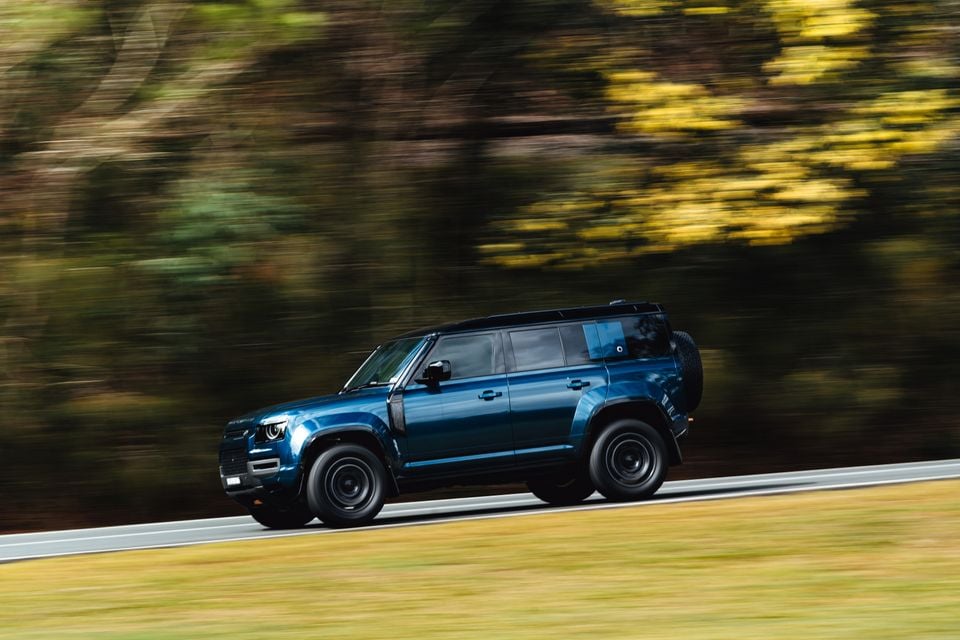
Everything then gets more unwieldy. Combining the softer suspension with the sharper throttle calibration and slackened stability control makes the OCTA a far more interactive experience than before, and there's something undeniably childish about its character.
And so, that final lap was the best way to round out the day. I now had as good an understanding of the course and the car as I was going to, so letting the OCTA loose felt a bit more natural.
The instructor continues with his advice, but it's less frequent. He's letting me feel the car for myself, and has no real issue with my line choice or braking points. It was impossible to grow tired of that engine noise, too.
Waiting for the car to straighten before hitting the throttle out of turns rewards you with monstrous pace, and the way the front of the car walks to the outside of the track confirms that although this isn't exactly what it's built for, it's happy enough to play along.
We then wave to that wallaby once more and wind down the intensity to let everything cool. As we eventually come to a stop, I organise my thoughts, have a final few words with the instructor, and thank him for his time and patience.
A fun and successful day of Defendering taught me many things, not least how versatile one car can be. The OCTA is undeniably a beast designed for scaling mountains, deserts and bog holes, but there's fun to be had on the bitumen if you don't overdrive it.
It isn't the sort of car you take out for a spirited road drive on the weekend, nor does it make you feel like a hero in the supermarket carpark. Instead, it rewards you for driving with some care and patience, even if it can certainly take some abuse in high-speed off-road driving.
There's very little doubt the Defender OCTA is one of the most outrageous new cars on sale today, and that descriptor also applies to its asking price.
Research cars in our Showroom, compare your options or let our New Car Specialists do the running around to find you a great deal.
Max Davies is a CarExpert journalist with a background in regional media, with a passion for Japanese brands and motorsport.
James Wong
1 Day Ago

William Stopford
5 Days Ago
James Wong
11 Days Ago
William Stopford
12 Days Ago

Derek Fung
13 Days Ago
Derek Fung
18 Days Ago
Add CarExpert as a Preferred Source on Google so your search results prioritise writing by actual experts, not AI.