




Damion Smy
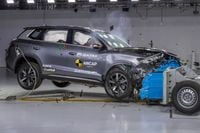
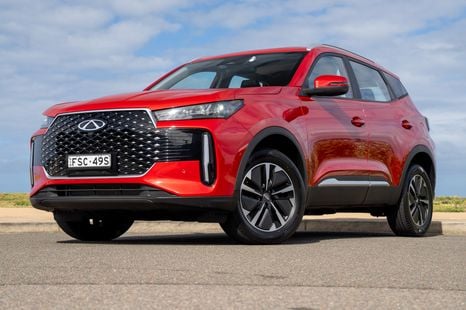
Chery Tiggo 4 Hybrid recalled
Almost 2000 examples of the hybrid-powered Chery Tiggo 4 have been recalled due to an issue with their emissions system.
14 Minutes Ago
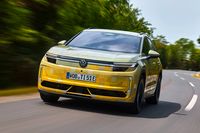
Volkswagen is about to shake up its mid-size electric SUV lineup, with the heavily upgraded ID. Tiguan to replace both the ID.4 and ID.5.

Contributor

Contributor
The Volkswagen ID.4 has been the German brand’s most successful electric vehicle (EV), with almost one million units sold worldwide since its debut in 2021. Now that model is being replaced by the ID. Tiguan, a heavily revised mid-size electric SUV that will roll out with a more SUV-like design.
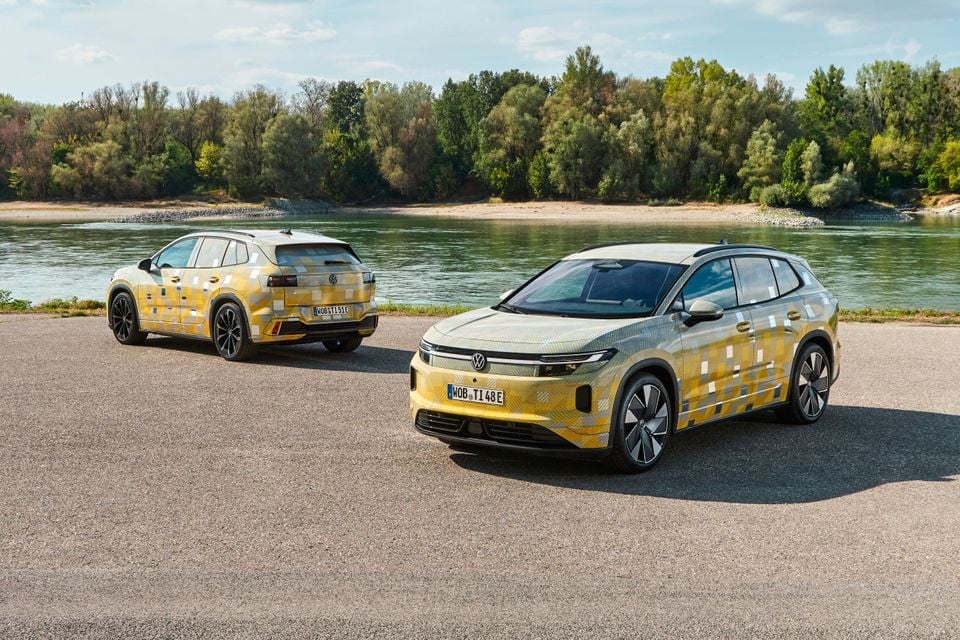
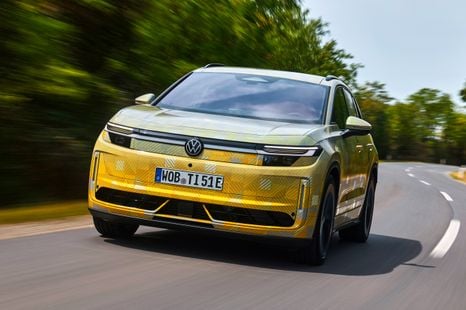
For now, the car continues to wear a light disguise until its world premiere on October 9, but as our first drive in the prototype suggests, there’s plenty new afoot.
Volkswagen is in the midst of a global reorganisation of its product strategy amid strong headwinds that have led the company to have to cut a significant number of jobs and mull the shuttering of several factories in Germany.

The introduction of the ID. Tiguan not only serves as an opportunity to launch a heavily revised version of its best-selling electric SUV, but it will also see the continued restructuring of its naming strategy, which began earlier this year with the debut of the ID. Polo.
Shifting from an alphanumeric nomenclature to one that utilises its existing and well-known names with the ID. prefix should make it easier for buyers to understand what the model is and where it sits in the range, while still identifying it as the electric version.
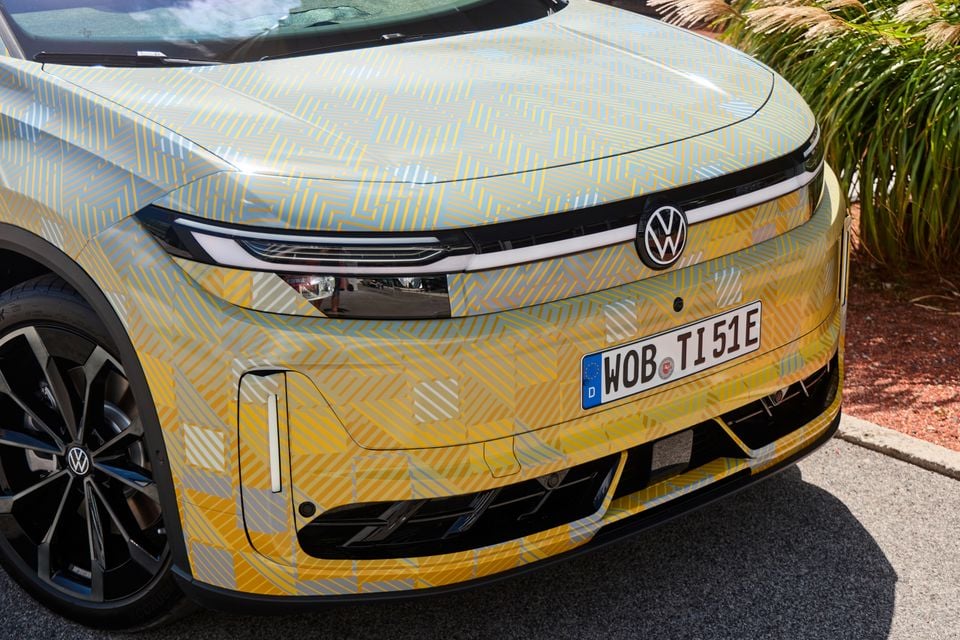
Its appearance is only lightly disguised by the camouflage, and it’s clear to see that most of the sheet metal on the car has changed. At the front, its nose is more upright and features illumination all the way across, linking the LED headlights, which will be available with IQ. Light Matrix technology on higher-spec models.
Designers have tried to keep to the less-is-more approach seen already on the ID. Polo.

Vertical air curtains on the edges of the front bumper help with aerodynamics, as does the leading edge of the wheel-arches, which run closer to the wheel to reduce turbulence, something that’s already been seen on the Skoda Peaq.
Other notable changes are a return to the use of pull-type door handles and a completely redesigned C-pillar, which kicks upwards similar to how we see it on the smaller T-Roc.
At the rear, a full-width panel wraps around the tailgate to emphasise the car’s width.
Volkswagen will also offer a sporty R Line version, which is expected to have different exterior styling and unique alloy wheel designs that will be more about a performance look than one shaped by aerodynamics.
The ID. Tiguan uses an evolution of the ID.4’s platform, called MEB+, and while its exact technical details won’t be revealed until the car’s debut, it is understood that this will usher in the use of more affordable LFP (lithium iron phosphate) batteries alongside larger capacity NMC (nickel manganese cobalt) battery packs.
Earlier this year, Volkswagen CEO Thomas Schäfer confirmed that the MEB+ platform would get the cell-to-pack LFP battery technology, which is more affordable, durable and safer.
CarExpert understands that a single-motor version with the LFP battery will kick off the ID. Tiguan offering, but its single-motor (rear-wheel drive) NMC powertrain will have the most range, with a 600km WLTP target set.
Volkswagen will also run a dual-motor ID. Tiguan, likely to have around a 220kW output.

The interior of the ID. Tiguan has been kept a secret for now, but it does continue Volkswagen’s return to more physical buttons. Its squarish steering wheel features proper buttons on the two-spoke design, as we have already seen on the ID. Polo.
Along with a digital instrument display, there is a substantial free-standing touchscreen running a new version of the company’s infotainment software, and this will also include full compatibility with Android and Apple smartphones.
Interior space is expected to remain largely the same as its predecessor, as is cargo capacity.
The arrival of the ID. Tiguan will also see Volkswagen cut the less-popular ID.5 ‘SUV Coupe’ from its lineup, as its sportier profile hasn’t done enough to warrant extending production, and it would struggle to fit in with the new naming strategy.
It’s also unclear if the hotter GTX version will be renewed, or whether Volkswagen will look to use the GTI name for a spicier ID. Tiguan.
It has renewed the ID.3 Neo with a GTI flagship superseding the GTX model, and considering how Volkswagen is choosing to lean on names that are more familiar to buyers, an ID. Tiguan GTI can’t be ruled out.
The Volkswagen ID. Tiguan will be revealed in full on October 9, and it’s expected to go on sale in Australia during 2027.
MORE: Explore the Volkswagen ID.4 showroom
MORE: Explore the Volkswagen Tiguan showroom
MORE: 2027 Volkswagen ID. Tiguan review: Prototype drive
Research cars in our Showroom, compare your options or let our New Car Specialists do the running around to find you a great deal.
Damion Smy
14 Minutes Ago
Damion Smy
22 Minutes Ago

Marton Pettendy
2 Hours Ago

Josh Nevett
3 Hours Ago
Damion Smy
4 Hours Ago
Dave Humphreys
15 Hours Ago
Add CarExpert as a Preferred Source on Google so your search results prioritise writing by actual experts, not AI.