





William Stopford
Mercedes-AMG G63 Two-Finish is an exclusive black edition with a twist
Just five examples of the Mercedes-AMG G63 Two-Finish Edition will come to Australia, each with an eye-popping $425k-plus price tag.
1 Hour Ago
The Australian Electric Vehicle Association wants a universal road-user charge to be implemented, but still wants fuel to be subject to an excise.
News Editor
News Editor
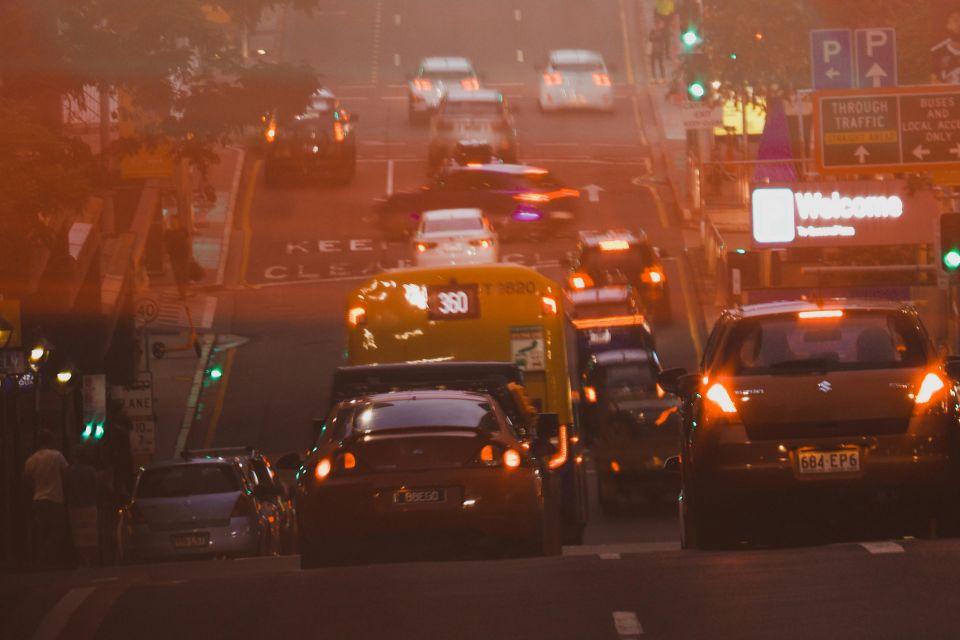
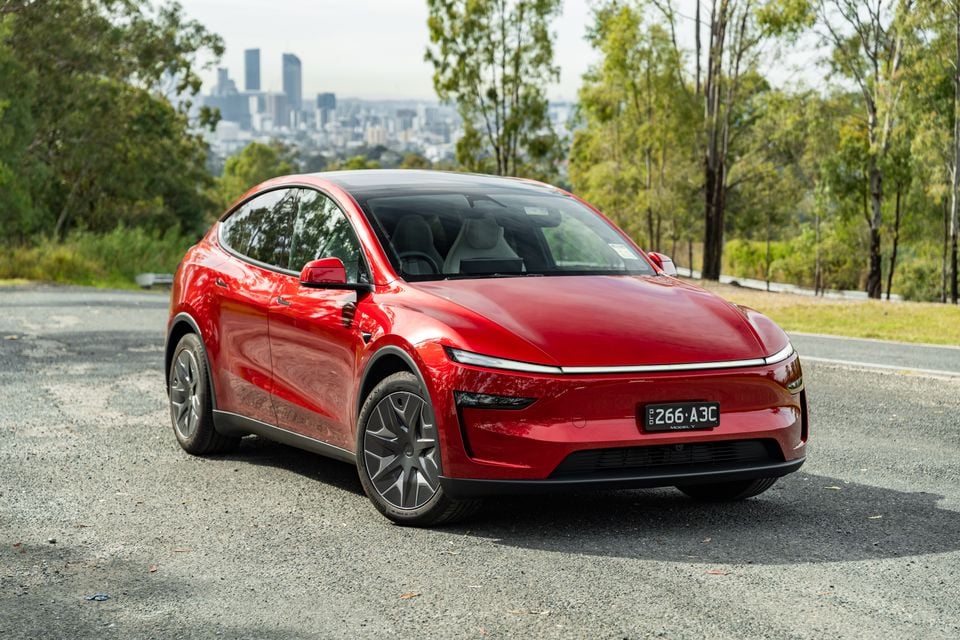
An electric vehicle (EV) lobby group has once again called for a road-user charge to be implemented in Australia, but it doesn’t want the existing fuel excise to be repealed.
The Australian Electric Vehicle Association (AEVA) is calling for EVs to be subject to a cost-per-distance charge, and for combustion-powered vehicles to be subject to both this and the existing fuel excise.
The group had previously proposed a mass by distance road-user charge (RUC) that would apply to all vehicles, but replace the fuel excise rather than exist in tandem with it.
The volunteer-run, not-for-profit organisation wants a RUC to be either introduced gradually over a 10-year period and reach a cost of three cents per tonne-kilometre, or alternatively apply only to vehicles manufactured after 2021.
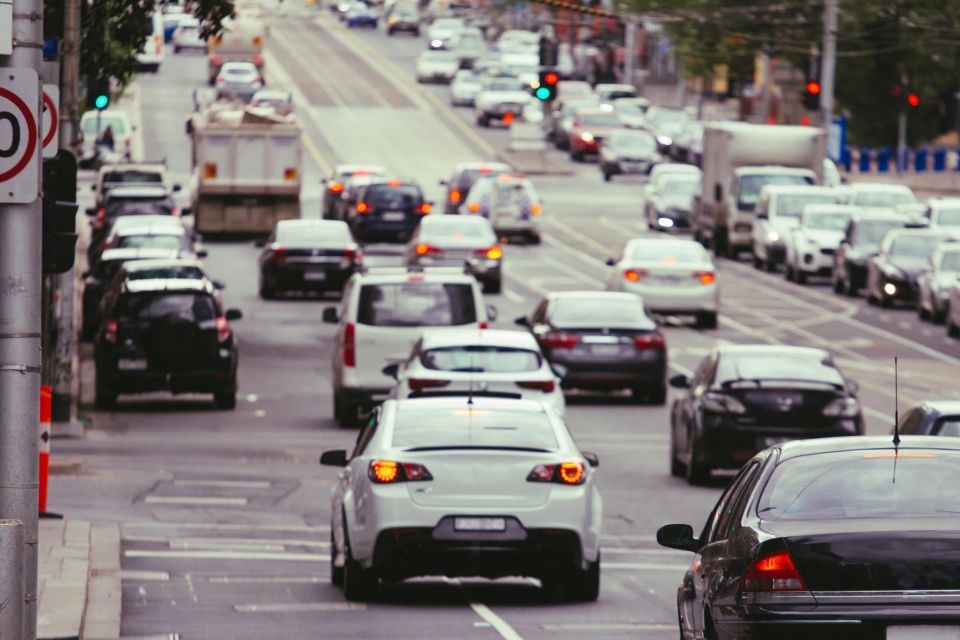
It wants any RUC to apply across all states and territories to all road-going vehicles with a gross vehicle mass (GVM) under 4.5 tonnes, but eventually be extended to heavy vehicles.
It says in the case of a 2.2-tonne diesel-powered ute or electric SUV driving 13,000km per year, the annual RUC payable would equate to $858.
The AEVA says this system should incentivise lighter, more efficient vehicles by taking mass into account, with combustion-powered vehicles remaining subject to the fuel excise which will serve as a “highly efficient pollution tax”.
“If two vehicles weigh the same, and are driven the same distance each year, it’s only fair that they pay the same road user charge,” said AEVA policy convenor Dr Chris Jones.
“But if one of those vehicles burns petrol or diesel, they should pay for the cost of that pollution too.”
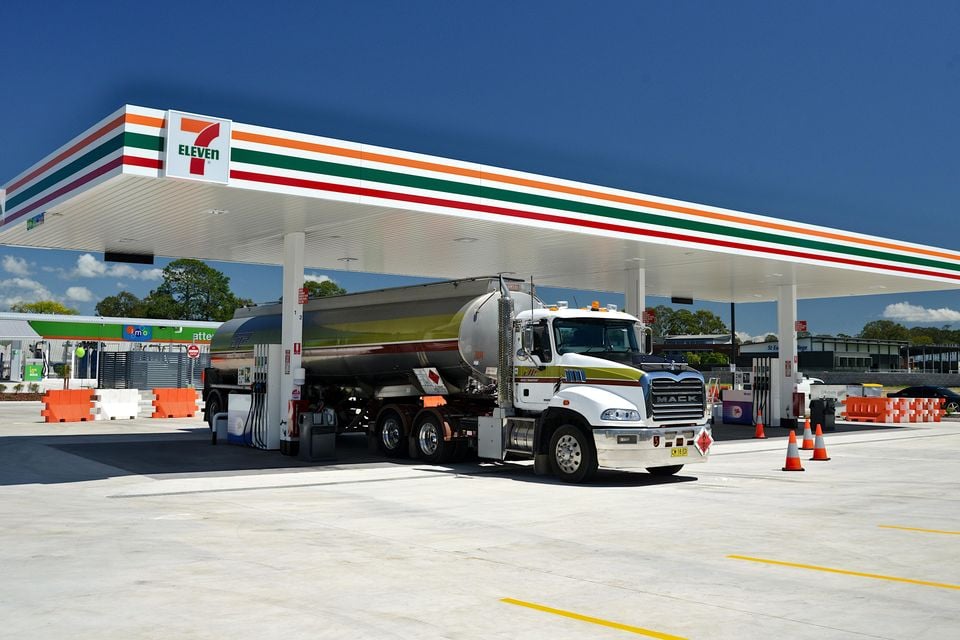
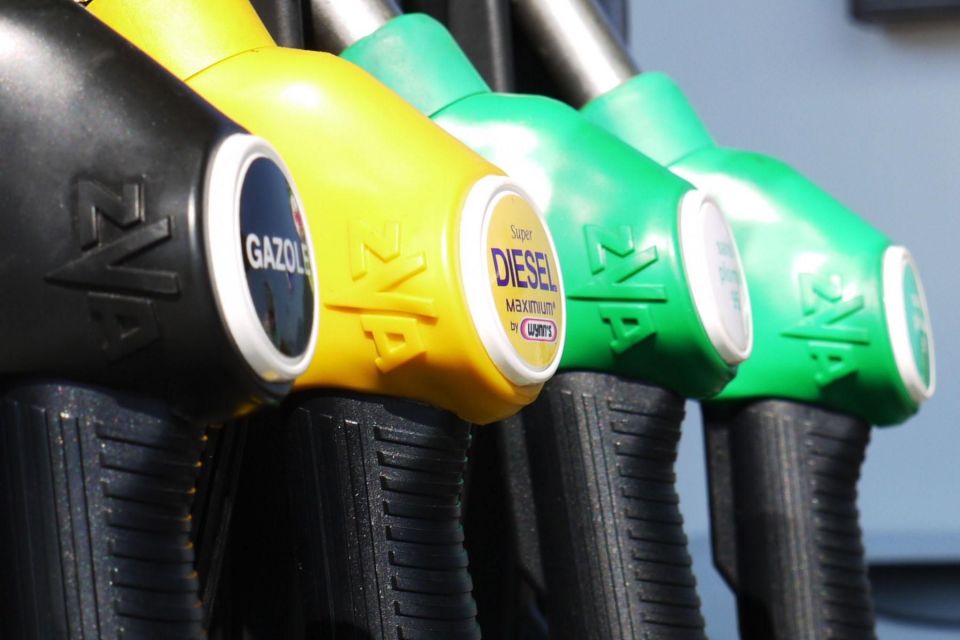
Revenue from the fuel excise – ordinarily set to approximately 53c/litre for petrol and diesel – equalled $25 billion in 2023-24, though not all fuel excise revenue goes to funding our nation's roads and infrastructure. In the same year, over $44 billion was spent by all levels of government on road infrastructure.
Fuel excise revenue collected from petrol sales has declined by almost $200 million annually since 2009, though this has been offset by increased revenue from the sale of diesel fuel.
Dr Jones criticised the New South Wales government’s EV-specific RUC, set to be imposed in 2027, which doesn’t take into account vehicle mass and doesn’t impact non-EV vehicles.
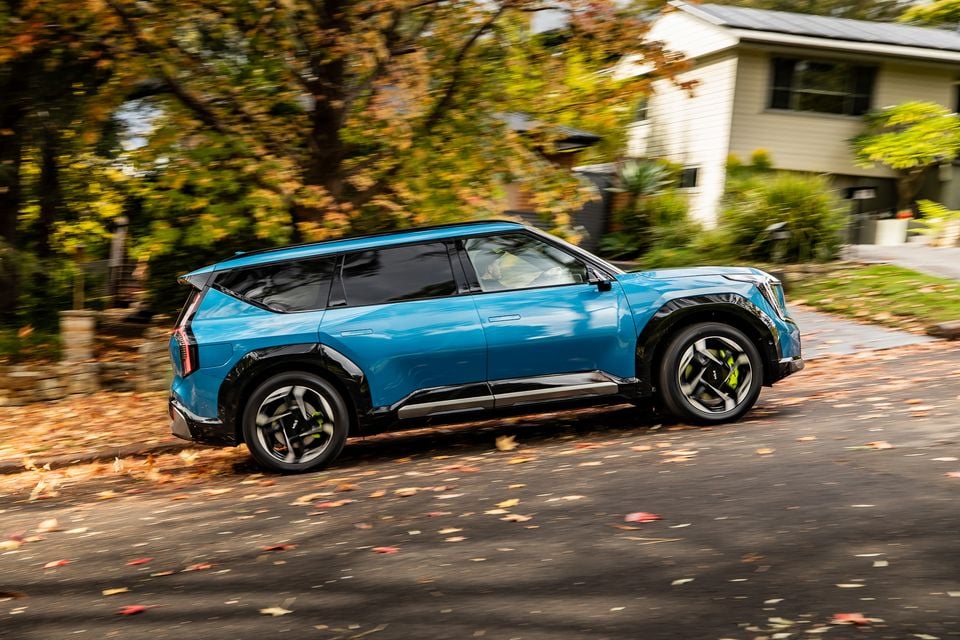
“The NSW model means an EV would pay more per kilometre than a conventional petrol hybrid,” said Dr Jones.
“It also means an electric motorcycle would pay the same rate as a three-tonne electric SUV, despite having a negligible impact on infrastructure.”
EVs have now reached their highest point in market share in Australia, with 154,304 EVs delivered year-to-date, or 18 per cent of the new-vehicle market in 2026.
In August, EVs outsold every other powertrain type for the first time in Australia, with a total market share of 24.9 per cent.
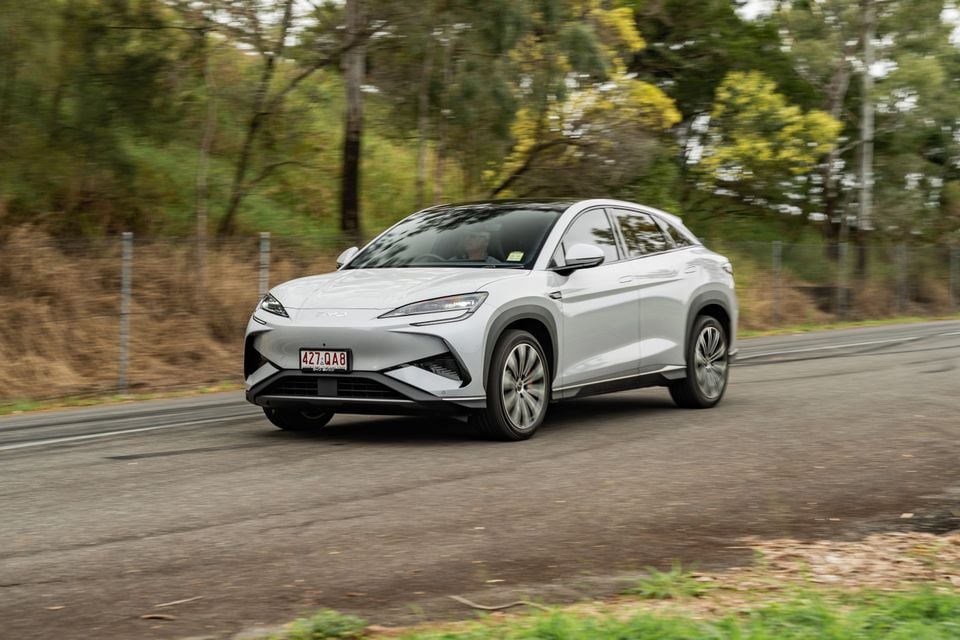
The Australian Government had been working on a road-user charge after state-based schemes were effectively overturned by the High Court striking down Victoria's scheme in 2023.
However, an expected May announcement was reportedly postponed amid record fuel prices and rising EV sales – indeed, Transport Minister Catherine King said the federal government didn't want to disincentivise EV uptake.
It’s unclear when the government will announce a RUC, which had reportedly been planned for a 2028 introduction.
“We knew this was coming, so we’ve spent the last decade both leading the debate and advocating for a fair implementation. We’re not after a free ride, but we are asking for policy which encourages EV adoption and motivates better vehicle choices," said Dr Jones.
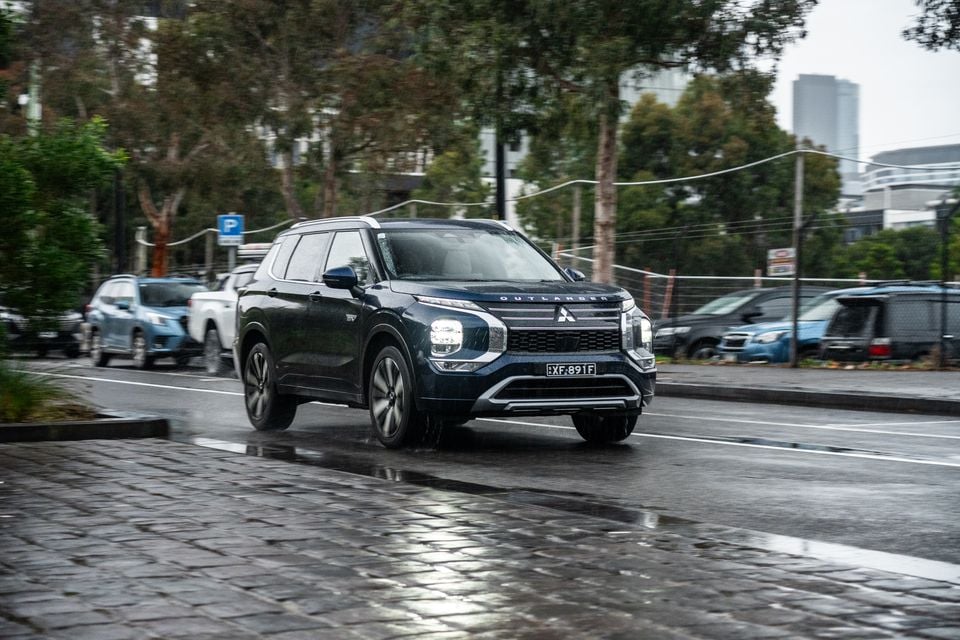
Previous state-based schemes, including Victoria's abolished RUC, had been criticised for disincentivising plug-in hybrid (PHEV) ownership, as these vehicles would be subject to both the RUC and the fuel excise.
There was also criticism of how owners were expected to report their mileage. The AEVA is calling for a RUC to require a six-monthly or annual odometer reading, as well as additional readings at any subsequent point of sale, to be provided to the government, with roadside checks to determine any inconsistencies.
Government data indicates there are currently 22 million motor vehicles in Australia – 16 million of these being passenger cars and SUVs – with our nation having 476,000km of sealed roads.
The federal minister for climate change and energy, Chris Bowen, previously said that a road-user charge will come “when the time is right”.
“I think a road-user charge is something that Australia should be working towards. It's got to be done right. It's got to be done carefully, and that includes timing. It's a very big undertaking. It should not be rushed unnecessarily,” he said.
“The treasurer and I are of one mind on that. That's why it wasn't in the [May 2026] budget, because it needs more work. It's a conversation that we'll continue to have.”
Speaking to the National Press Club of Australia in early August, Mr Bowen said a road-user charge will be implemented only once it's “right”.
“I haven't found anyone who really disagrees with [a road user charge]. No-one in the EV industry says ‘we oppose a road-user charge’ ever. They say 'do it right',” he said.
“Plan it well. Get all the designs right, and when the time is right, it'll be an important part of ensuring that the transport revolution in Australia, which... can't be turned back despite the best wishes of some in Canberra, in Parliament House... because the Australian people are well on the journey.
“We've got to make sure it works. And part of that is a sensible longer-term discussion about the impacts on government revenue, state and federal, including a road-user charge.
“It's important it happens, but it's important to be done right. It's important it's not rushed in a way which threatens getting it right.”
MORE: Australia delays EV road user charge slammed as 'thinly veiled tax'
William Stopford is an automotive journalist with a passion for mainstream cars, automotive history and overseas auto markets.
William Stopford
1 Hour Ago


Marton Pettendy
2 Hours Ago

Matthew Hansen
4 Hours Ago

Alborz Fallah
4 Hours Ago

Derek Fung
7 Hours Ago

Damion Smy
19 Hours Ago
Add CarExpert as a Preferred Source on Google so your search results prioritise writing by actual experts, not AI.