




William Stopford
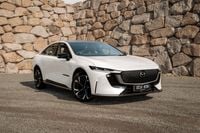
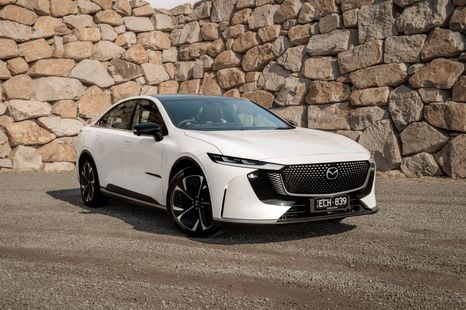
2027 Mazda 6e Atenza review
Mazda's return to the Australian electric vehicle market is an impressive one, thanks to the help of its Chinese partner.
1 Hour Ago
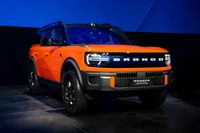
A range-extender powertrain better suits the Bronco Basecamp’s target audience, Ford says, with charging infrastructure and range anxiety still factors.

Deputy News Editor
Deputy News Editor
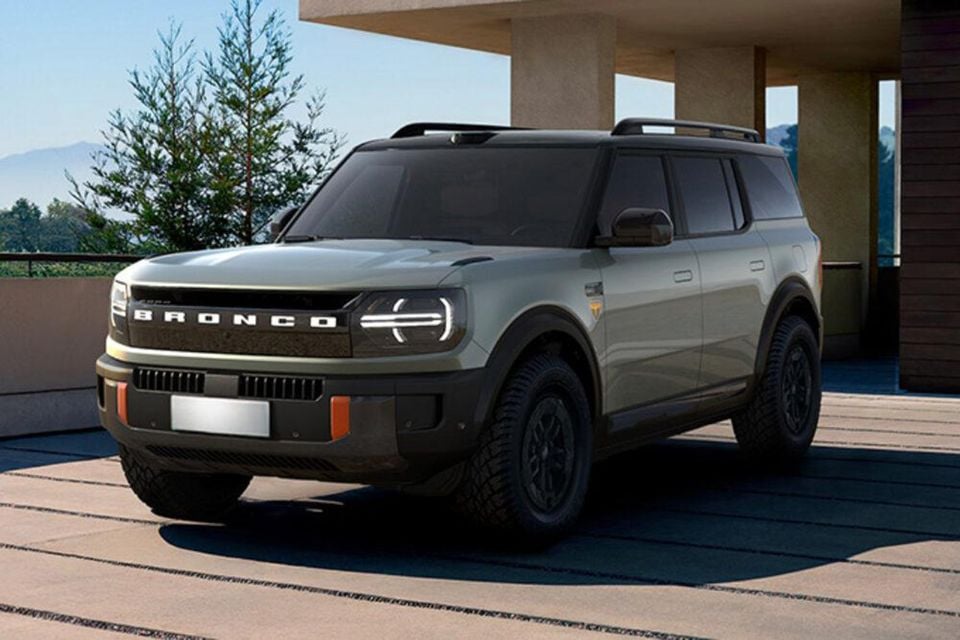
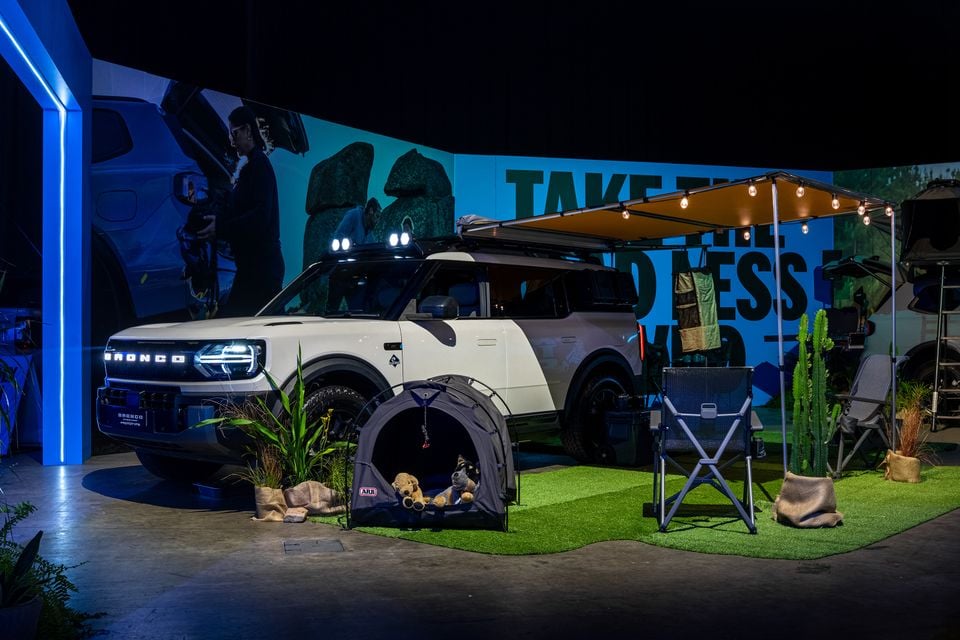
The Ford Bronco Basecamp, scheduled to arrive in Australia in the second half of 2027, won't be joined at launch by the battery-electric version offered overseas.
Ford Australia has confirmed it will offer only the extended-range electric vehicle (EREV), which uses a petrol engine as a generator and two electric motors to drive the wheels.
Australia will be the first market outside China to receive the Bronco Basecamp, which is produced there by Ford’s joint-venture partner JMC. However, Ford Australia has passed on the battery-electric (EV) version for the local launch.
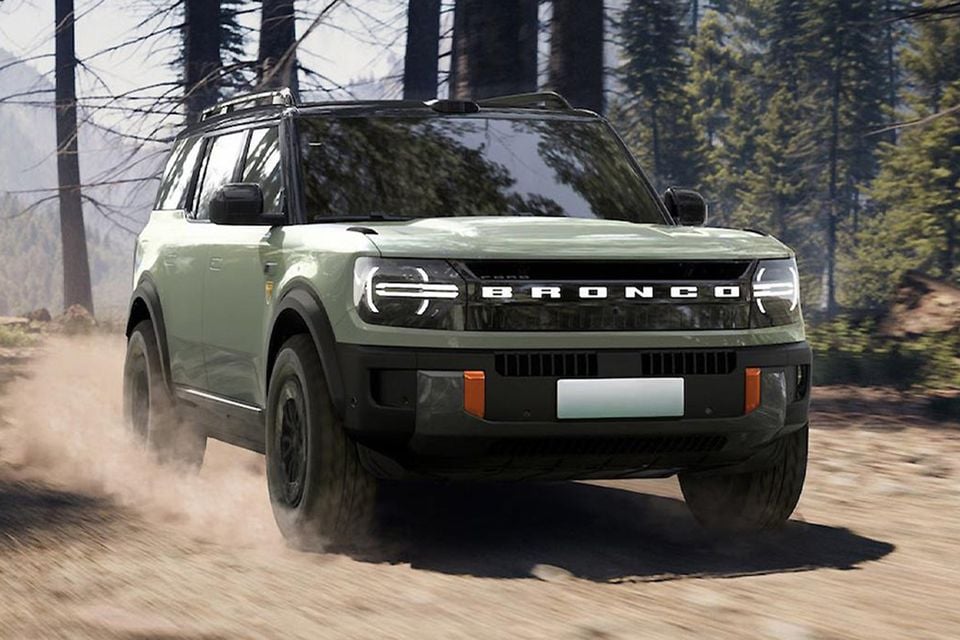
“It’s a deliberate choice based on what we think best suits Australian customer lifestyle,” Ford Australia marketing director Ambrose Henderson told CarExpert when asked why the EREV was chosen over the EV Bronco Basecamp.
“When you think about the infrastructure that is available in Australia outside major metros, where this car really comes to life in terms of getting away and getting out [of] the city and enjoying that life, that infrastructure isn’t yet to the level that we think is required to fully fulfil the promise that this car delivers.
“For customers who want to drive forever on pure EV, they can do that with this [EREV] car. It has full EV mode, so if you want to drive it as an EV every day, it can do that.
“But then you also have the backup when you want to do that long drive. You don’t have to worry about, oh, can I get there? Where do I go to charge? Am I going to line up for how long? [Instead, you] put petrol in, off you go.”
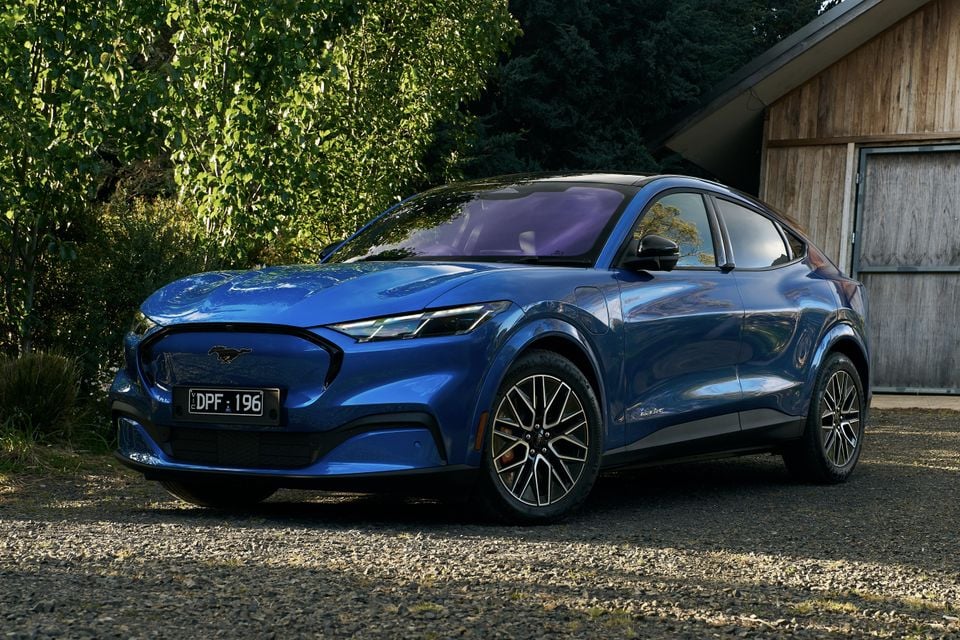
The decision comes as Ford’s only electric passenger vehicle in Australia, the Mexican-made Mustang Mach-E SUV, continues to struggle for sales.
Ford sold only six Mustang Mach-Es in August 2026, its worst monthly result this year, taking year-to-date deliveries to 167.
However, Australian buyers purchased more EVs than any other powertrain type in August 2026. EVs accounted for a record 24.9 per cent of new-vehicle sales, ahead of petrol vehicles on 23.7 per cent and diesels on 21.7 per cent.
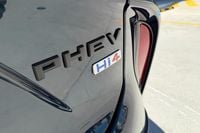
Conventional hybrids accounted for 17.2 per cent, while plug-in hybrid electric vehicles (PHEVs) – the category into which the Bronco Basecamp is expected to fall – made up 9.7 per cent.
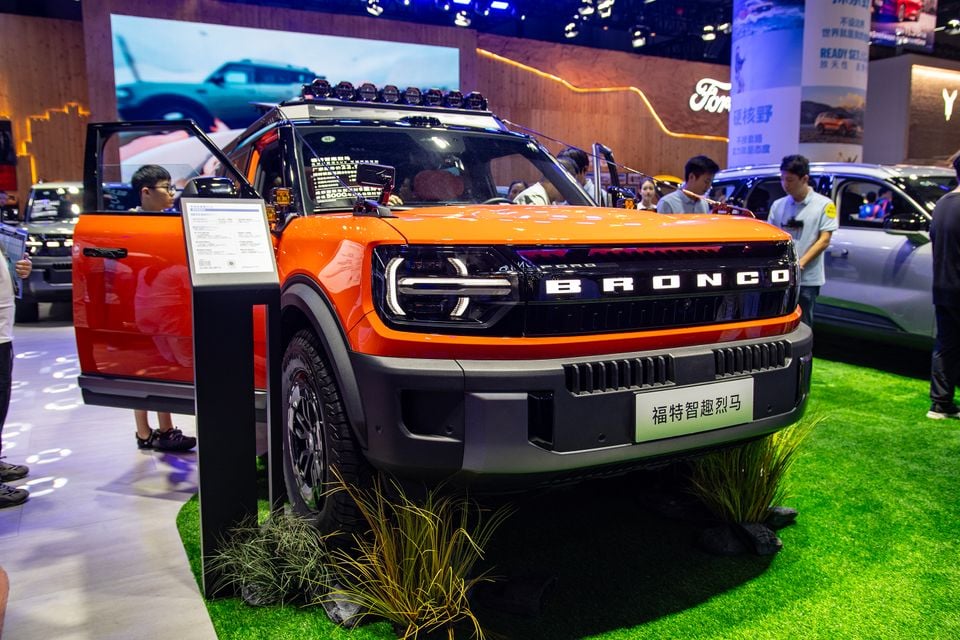
Ford Australia has confirmed the Bronco Basecamp will use a 1.5-litre turbocharged four-cylinder petrol engine as a generator for a 49kWh lithium iron phosphate (LFP) battery.
Its wheels are driven exclusively by electric motors, with one on each axle providing all-wheel drive. Ford Australia hasn't confirmed outputs, but Chinese-market versions produce 310kW and 600Nm.
The automaker says Australian Bronco Basecamp EREVs will offer a total driving range of between 800km and 900km.
In China, the battery-electric version costs ¥10,000 (A$2070) more than the equivalent EREV grade. Ford Australia has yet to indicate local pricing for the Bronco Basecamp.
Price will be critical to the new model’s success in Australia’s highly competitive market.
While unwilling to discuss future models, Mr Henderson said other SUVs in Ford Australia’s lineup would follow a similar approach, with the automaker selecting the powertrain it considers most appropriate for each model’s target buyers.
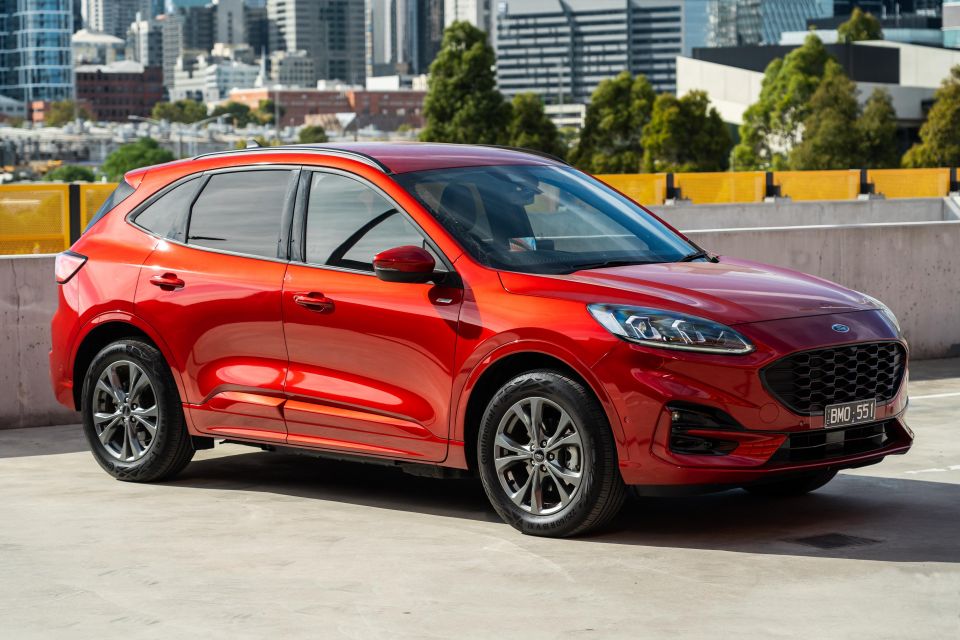
Ford Australia’s first hybrid SUV, the Escape PHEV, recorded only 623 sales between its May 2022 launch and the delivery of the final remaining stock in 2025. The company announced it would axe the entire Escape range in 2023.
Mr Henderson said the Bronco Basecamp represented a stronger opportunity for the brand.
“I think this is a very different proposition, and I think it’s also a very different time in the market,” he said.
“There’s been a very big transition in the market in terms of the [acceptance of] transitional technologies, and so that’s why we think now is the right time from an Australian market point of view for this car to really succeed.
“I think the time is a very different world to what we were in before. I think this represents something very different, and it will compete in the very heart of the market.”
Research cars in our Showroom, compare your options or let our New Car Specialists do the running around to find you a great deal.
Damion Smy is an award-winning motoring journalist with global editorial experience at Car, Auto Express, and Wheels.
William Stopford
1 Hour Ago
Damion Smy
8 Hours Ago

Tace Clifford
8 Hours Ago
William Stopford
9 Hours Ago
Damion Smy
10 Hours Ago
Damion Smy
11 Hours Ago
Add CarExpert as a Preferred Source on Google so your search results prioritise writing by actual experts, not AI.