




Alborz Fallah
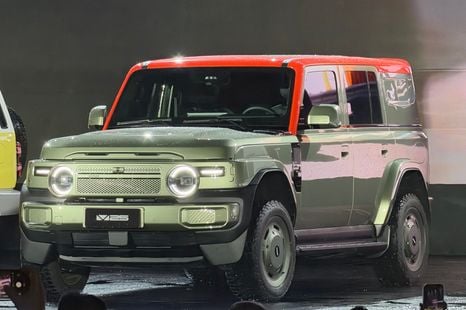
Omoda X revealed with night vision and a tougher SUV look
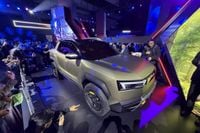
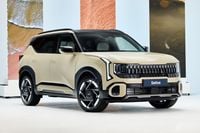
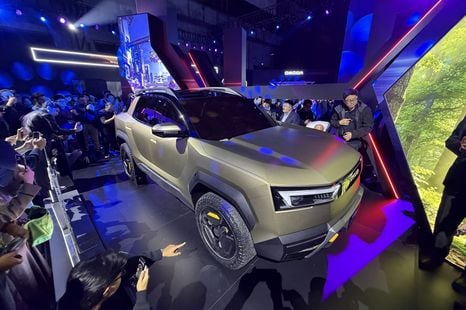
The Omoda X has been revealed as a tougher-looking crossover SUV from Omoda Jaecoo, though it has yet to be confirmed for an Australian launch.
6 Hours Ago

Deputy News Editor
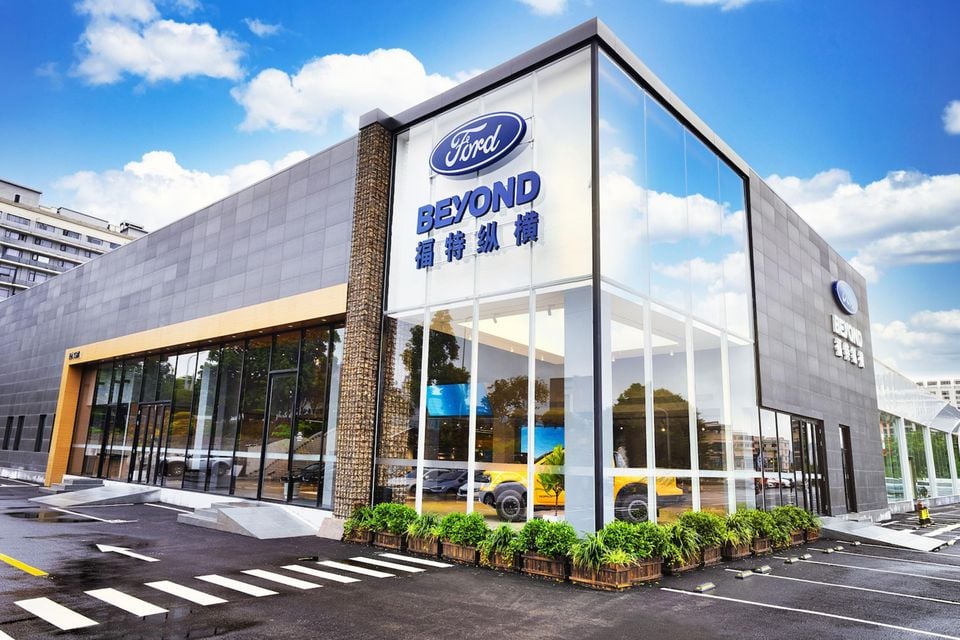
The US government has urged Ford Motor Company to reduce its reliance on Chinese manufacturing and technology partners, citing national security concerns, and to instead prioritise American workers and domestic manufacturing.
In a letter to Ford CEO Jim Farley published on the US Department of Transportation website, dated September 3, 2026, US transportation secretary Sean P Duffy urged the automaker to pull back from China, citing what the government described as “recent actions by Ford that increase its dependence on our foreign adversary, China”.
It expressed “profound concern” over Ford “intertwining its future with Chinese state-backed enterprises” and criticised a framework proposed publicly by Mr Farley earlier this year to facilitate Chinese joint ventures on US soil.
Chinese automotive brands have no significant sales presence in the US, owing partly to steep import tariffs, while incoming connected-vehicle rules will impose further restrictions. The US is the largest new-vehicle market by sales volume outside China.
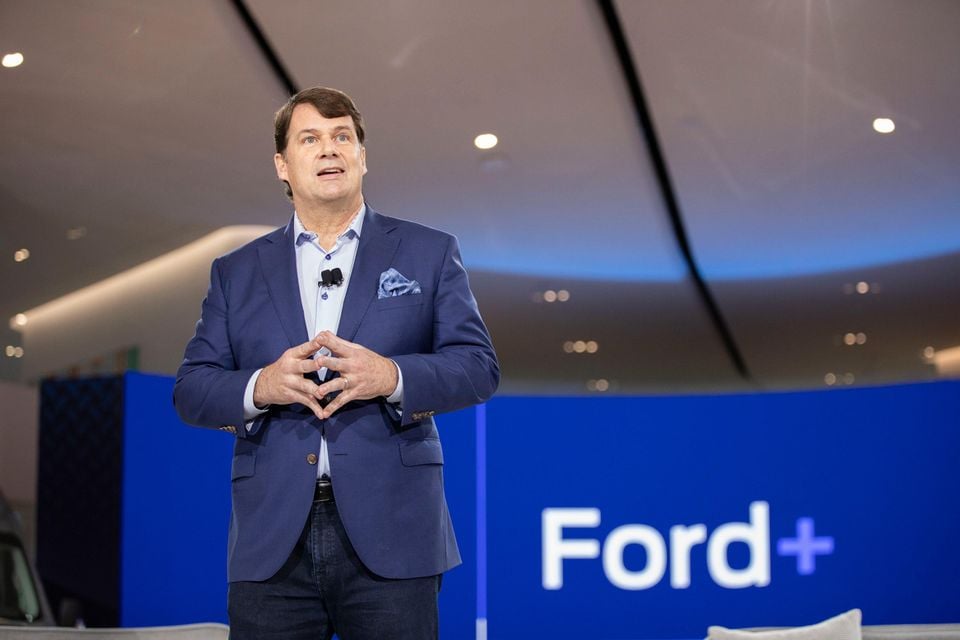
“When a company intentionally chooses to deepen operational dependencies on strategic competitors, it fails to act as the reliable partner the American public and this DOT [Department of Transportation] require,” said Mr Duffy in the letter.
“Iconic American companies, like Ford, are also expected to out-innovate competitors. To that end, they need to chart clear paths to technological self-reliance.”
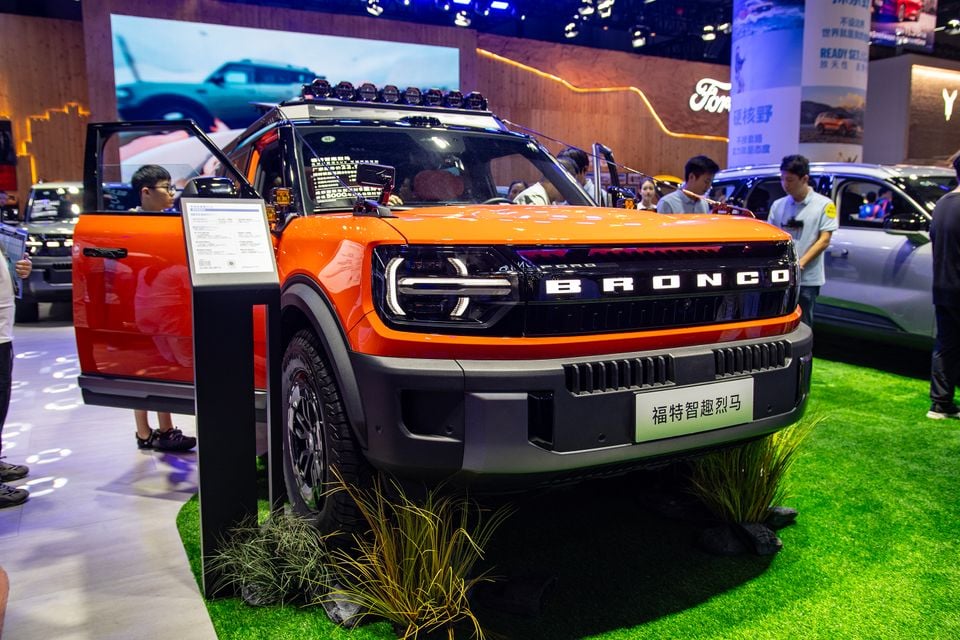
The DOT publicly released the letter on September 8 (US time), only hours after Ford Australia announced its first two models imported from China – the Bronco Basecamp hybrid SUV and the Transit City electric one-tonne van.
Both vehicles are produced in Nanchang, Jiangxi Province, by a joint venture established in 1995 between Ford and Jiangling Motors Corporation (JMC).
“Ford must demonstrate a level of corporate citizenship that prioritizes the long-term resilience and technological sovereignty of the United States automotive ecosystem over short-term arrangements or questionable foreign alliances,” the letter said.
It did not specify any consequences for Ford if the automaker failed to heed its warnings.
The letter objected to Ford’s joint venture with China’s Geely, which is scheduled to begin producing vehicles in 2028 at a plant in Valencia, Spain, where the Ford Mondeo liftback and wagon and Ford Escape SUV were previously produced for Australia.
The letter said the partnership at the Spanish plant “helps strategic adversaries secure a vital foothold in Western markets”.
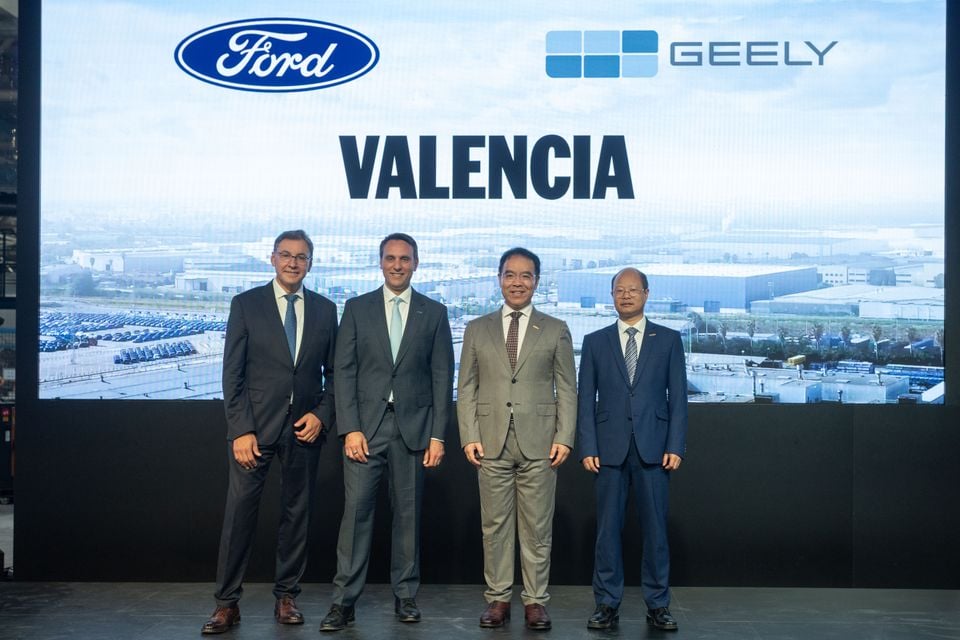
Geely currently sells vehicles in Australia under its own brand, as well as having ownership stakes in Lotus, Zeekr, Polestar and Volvo, and an equal stake with Mercedes-Benz in Smart.
In the same paragraph, the letter said Ford’s ongoing talks with BYD over hybrid vehicle components “could lead to further embedding subsidized foreign technology into Ford’s core supply chains”.
The letter also targeted Ford’s tie-up with China’s leading high-voltage battery maker, CATL (Contemporary Amperex Technology Co Limited), which holds the greatest share of the global battery market ahead of Chinese competitor BYD and South Korea’s LG Energy Solution.
According to CnEVPost, Chinese battery manufacturers accounted for 72.8 per cent of the global electric vehicle (EV) battery market between January and July 2026.
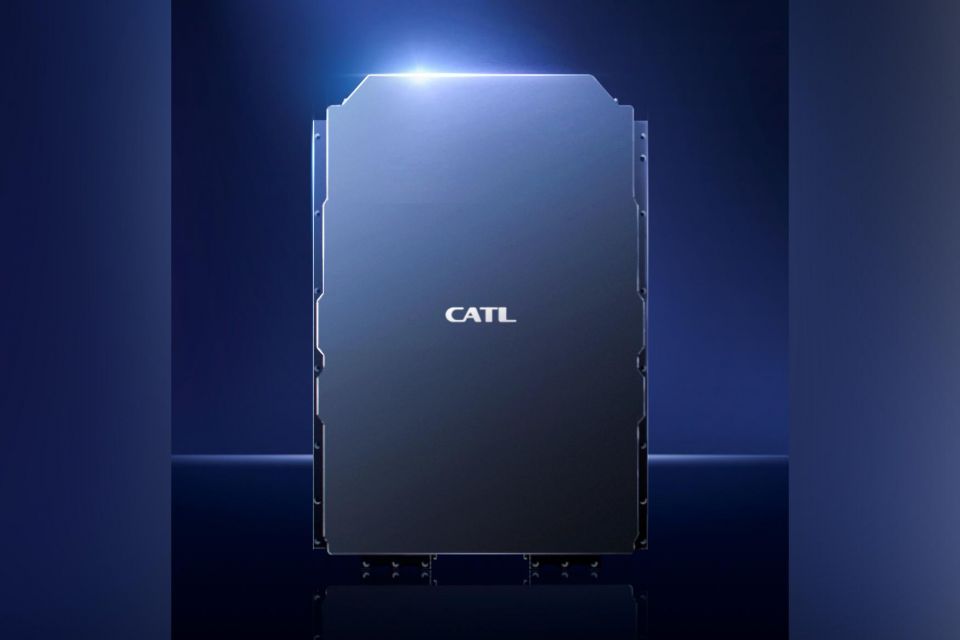
CATL is on the US Department of Defense’s list of companies it says are linked to China’s military, although inclusion does not constitute a general ban.
Ford produces lithium-iron phosphate (LFP) batteries in the US, but the DOT said the use of licensed technical knowledge from CATL to do so “challenges the spirit of American national and economic security and supply-chain independence policies”.
In Australia, CATL batteries are used in EVs from brands including Tesla, Deepal, Zeekr, Volvo, BMW and Mazda.
The letter also criticised Ford for delaying the reshoring of Lincoln models such as the China-built Nautilus until 2030.
The US government’s criticism of Lincoln came despite Ford issuing a statement on August 12, 2026, saying it would “phase out the importation of vehicles from China for the US market.”
Mr Farley has been vocal about Ford and the broader US auto industry needing to compete with Chinese automakers head-on, saying Chinese brands could not be blocked from the market forever.
Research cars in our Showroom, compare your options or let our New Car Specialists do the running around to find you a great deal.
Damion Smy is an award-winning motoring journalist with global editorial experience at Car, Auto Express, and Wheels.
Alborz Fallah
6 Hours Ago

James Wong
8 Hours Ago
Alborz Fallah
11 Hours Ago
Alborz Fallah
12 Hours Ago
Alborz Fallah
13 Hours Ago
Alborz Fallah
13 Hours Ago
Add CarExpert as a Preferred Source on Google so your search results prioritise writing by actual experts, not AI.