One brand versus many: Which Chinese automaker’s strategy makes the most sense for Australia?
Chery is more than tripling the number of brands it has in Australia over the next year, while other Chinese automakers are following a very different strategy.
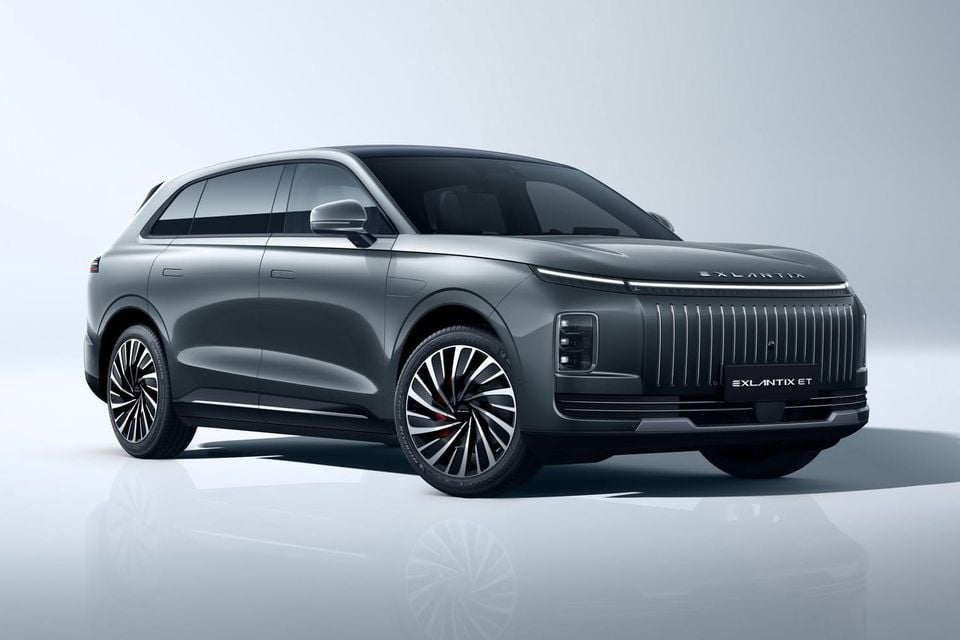
Chinese automaker Chery announced not one but two brands for Australia over the past seven days, confirming the arrival of Exlantix and then just a few days later locking in Luxeed.
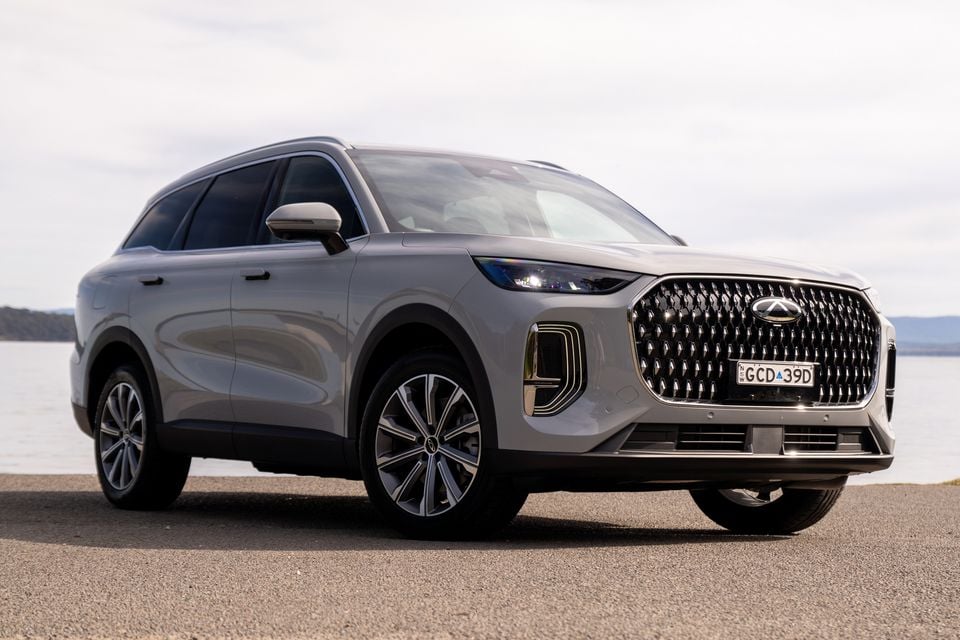
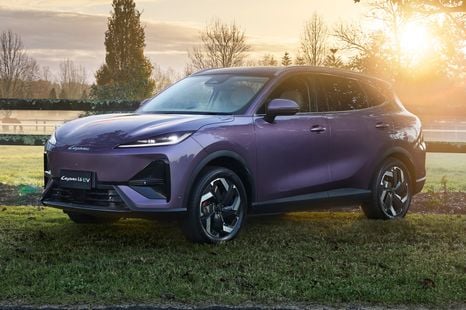
Chery Tiggo 9
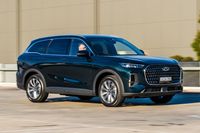
Jaecoo J8
Chery’s brand expansion is reaching a fever pitch here. After relaunching Down Under in 2023, it confirmed the Jaecoo brand in March 2024, with deliveries commencing around a year later, and then at a Jaecoo launch event in March 2025 it confirmed Omoda for launch later that year.
It subsequently retconned Omoda and Jaecoo as one brand, Omoda Jaecoo, though they’re often still referred to as being separate brands.
Even if you count those as a single brand, as Chery says you’re supposed to, the automaker plans to have a whopping eight brands here in Australia. It also leaves virtually none of the Chery Group’s brands left on the table for Australia – only Rely and Karry, both light commercial vehicle brands, and SUV brand Soueast remain unconfirmed.
We feel the need to include the disclaimer that at the time of writing this article, these brands have yet to be confirmed for Australia, but the 2026 Chery International User Summit is still ongoing...
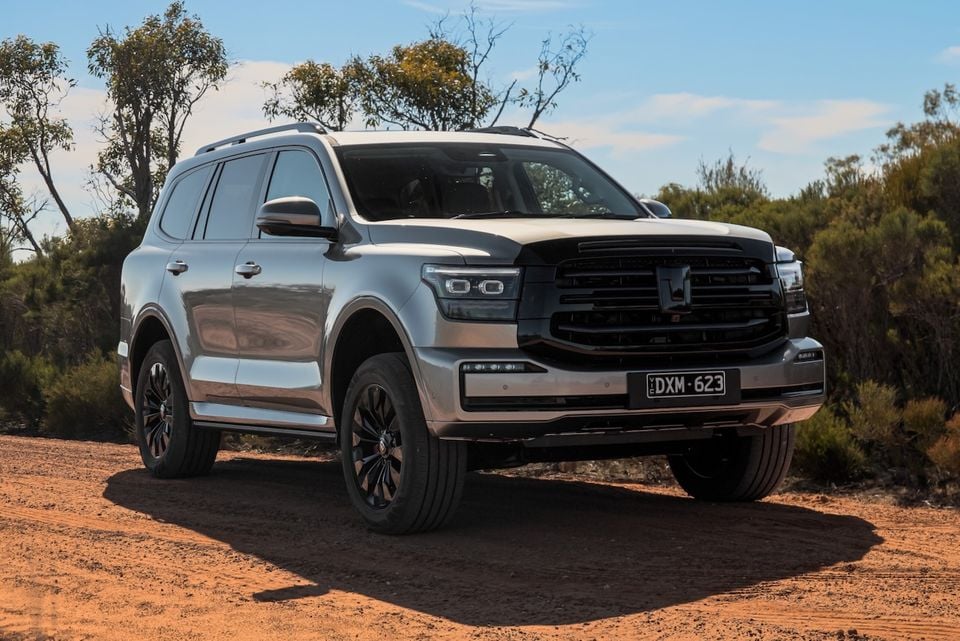
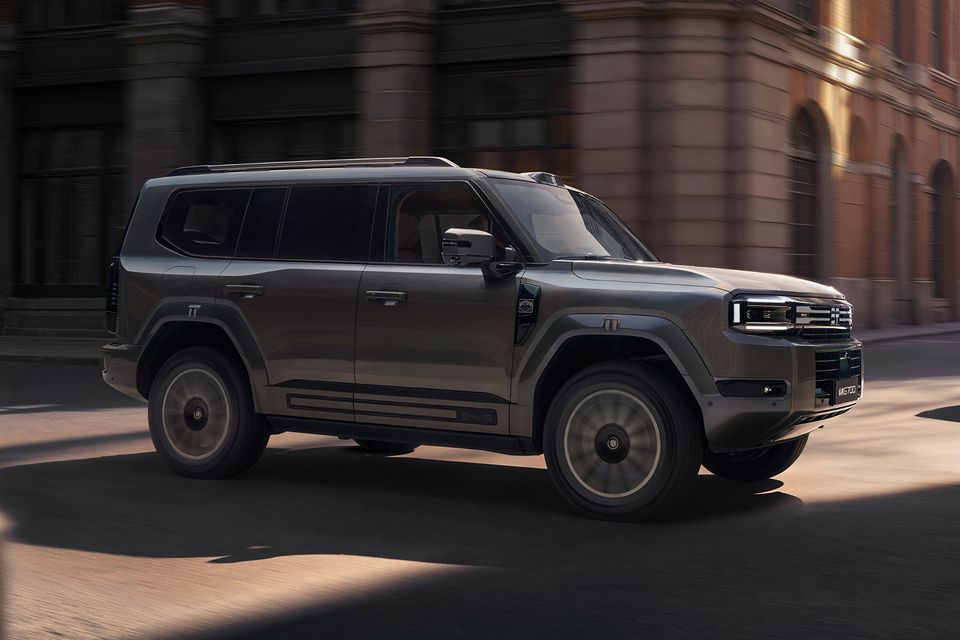
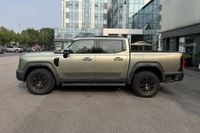
Jetour G700
iCaur V27
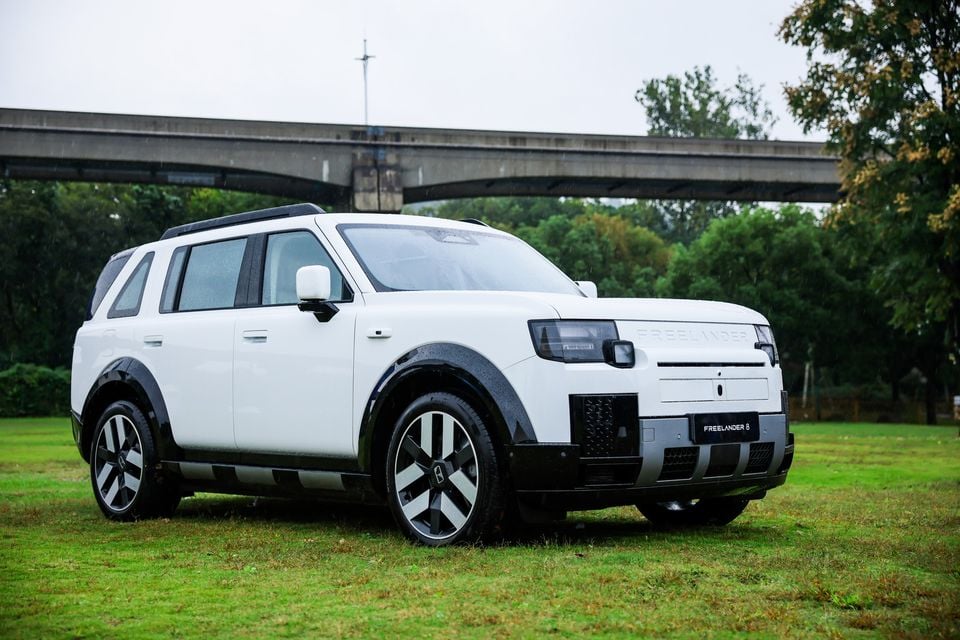
Freelander 8
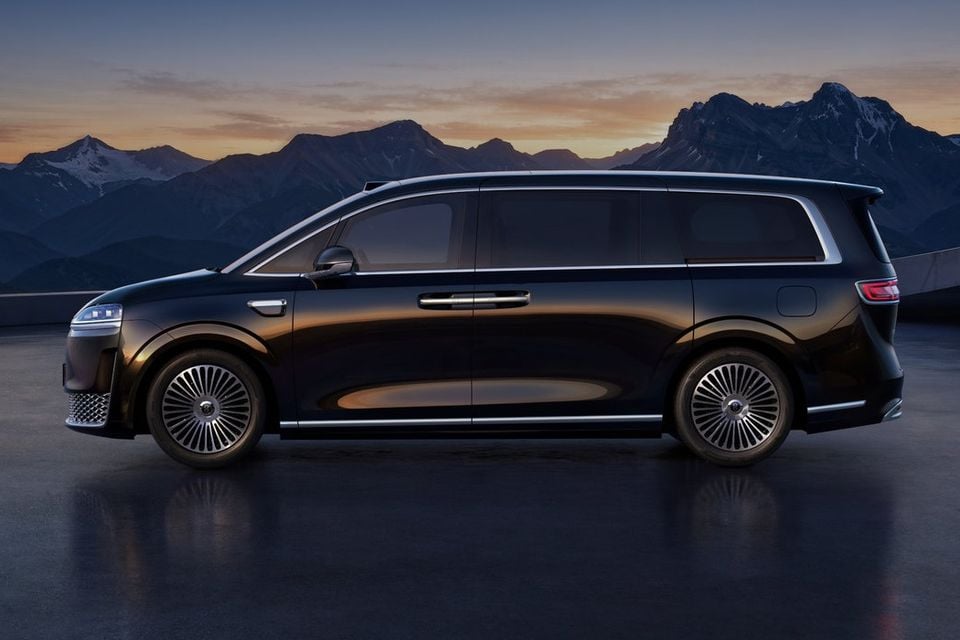
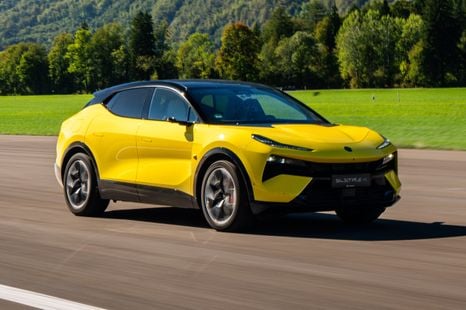
Luxeed LLounge
If you’ve lost track, here’s what the Chery Group brand lineup will look like here:
Brand
Established
Australian launch
Chery
1997
2023 (as a factory-backed operation)
Omoda Jaecoo
2023
2025
Lepas
2025
Late 2026
Exlantix
2017 (as Exeed)
First half of 2027
Freelander
2026
2027
iCaur
2023
Early 2027
Jetour
2018
Early 2027
Luxeed
2023
Second quarter of 2027
Chery says that not all of these brands will sell in the same volumes as its namesake brand or Omoda Jaecoo, the former establishing itself as a top-10 brand and the latter a fixture in the top 20.
The ‘P-word’ – premium – has been mentioned in materials and announcements for Lepas and iCaur, but arguably only Exlantix, Luxeed and potentially Freelander are overtly premium brands within the Chery Group stable.
The concept of arranging automotive brands in such an order dates back to General Motors’ so-called ‘Sloan ladder’ of the 1920s, which by the 1960s was being heavily eroded as affordable brands offered more upmarket products and more premium ones stepped downmarket.
Today, major automotive groups such as Volkswagen and Stellantis offer multiple brands that are not necessarily positioned as being more premium than each other, and which share platforms and technology, but differ in styling.
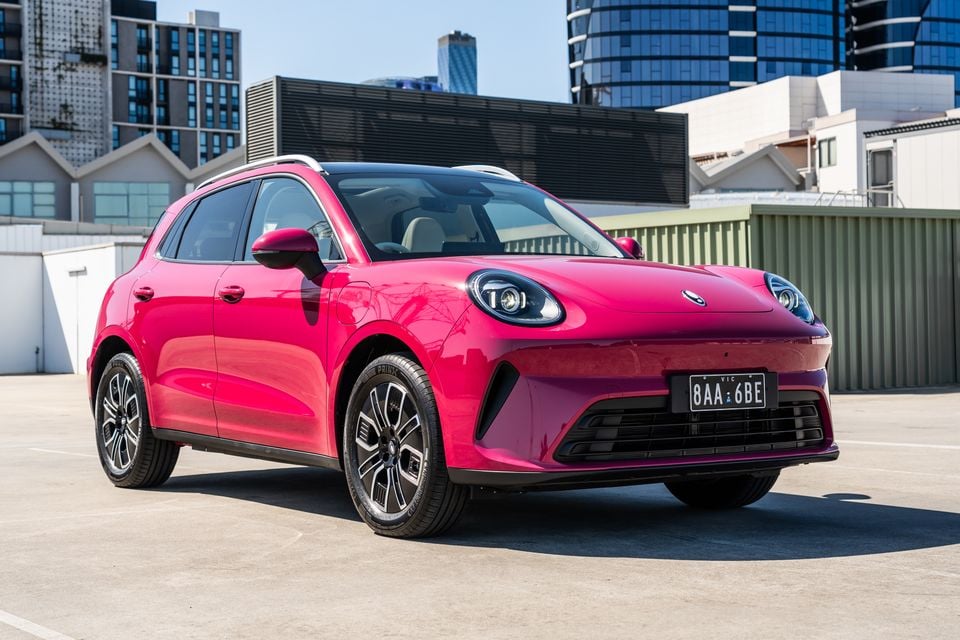
GWM Ora 5
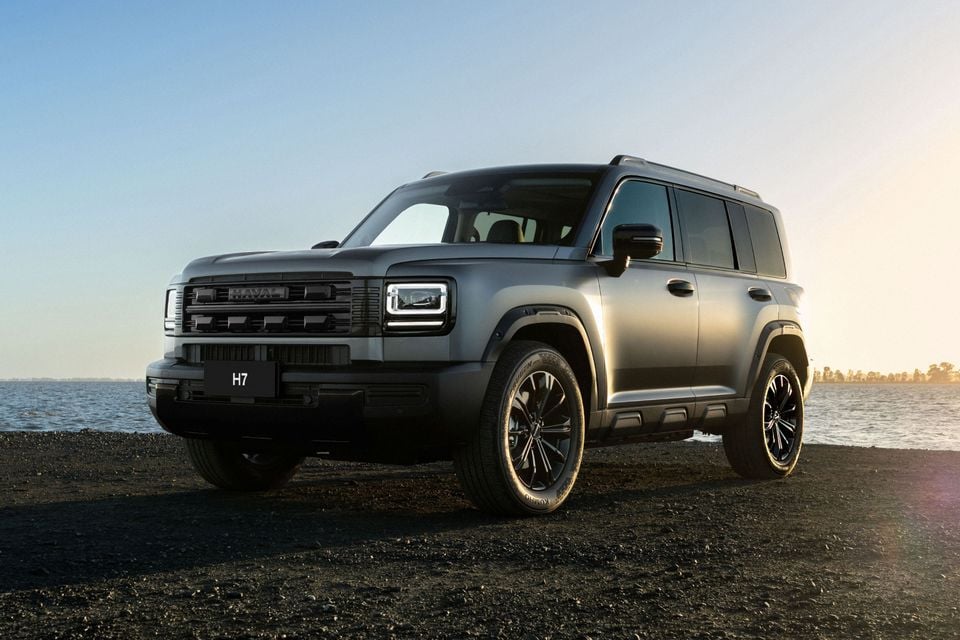
GWM Haval H7
GWM Cannon Alpha
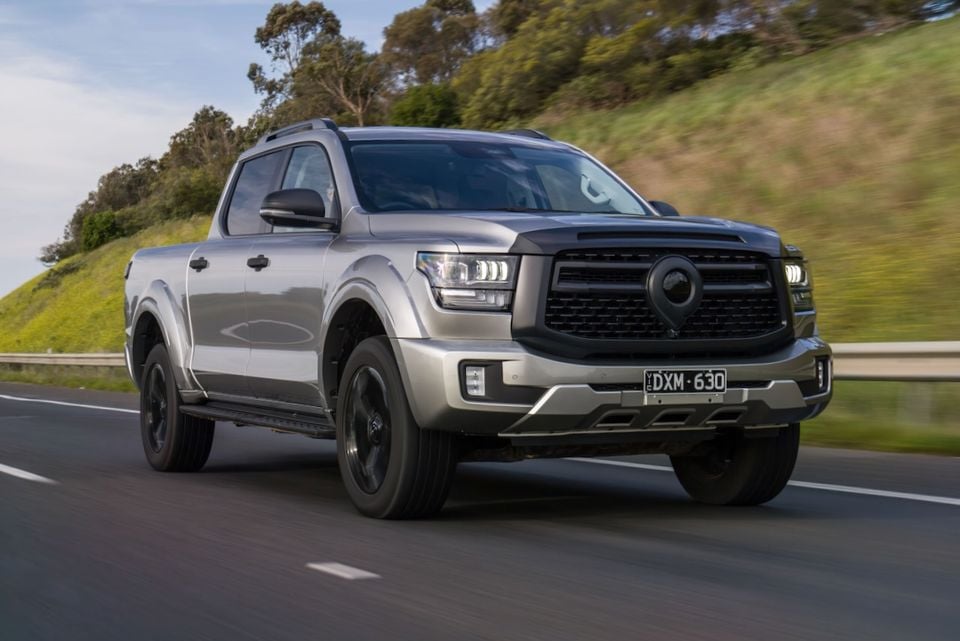
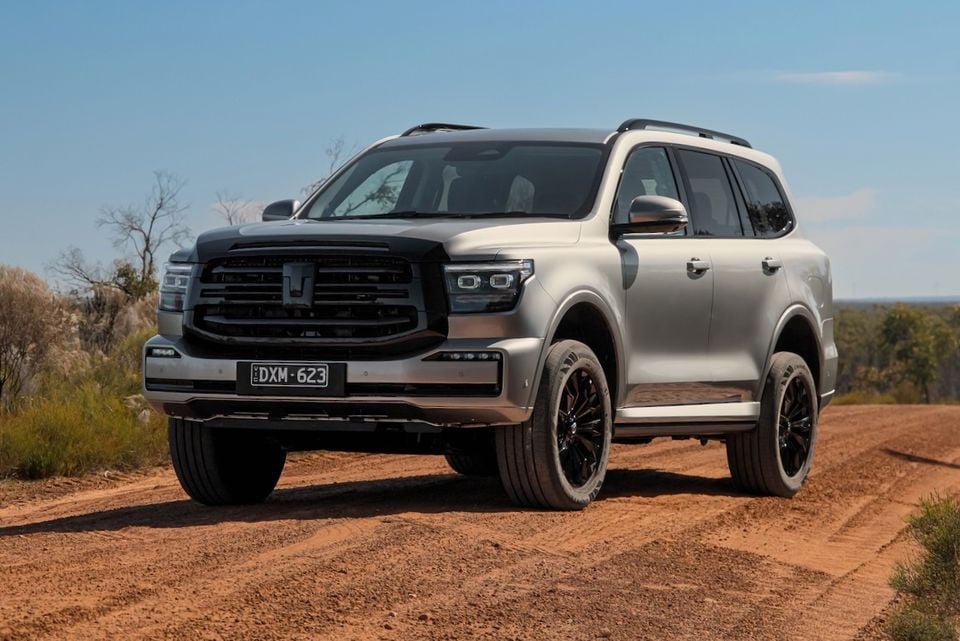
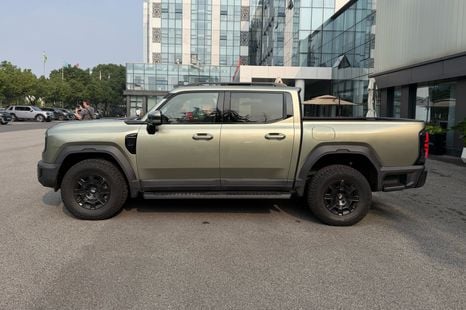
GWM Tank 500
But other major automakers such as GM, Hyundai, and Toyota have just one or two mass-market brands accompanied by one or two premium brands. Even in other markets, GM – which once had a portfolio as sprawling as Chery’s – has streamlined its operations to a handful of brands.
And then there are the Chinese automakers and their varying brand portfolios.
Chery’s strategy contrasts sharply with various other Chinese automakers, which have largely coalesced around offering just one or two brands in Australia.
After launching the Great Wall brand here in 2009 and then introducing Haval in 2015, Great Wall Motor (GWM) in recent years has streamlined everything into a single GWM brand.
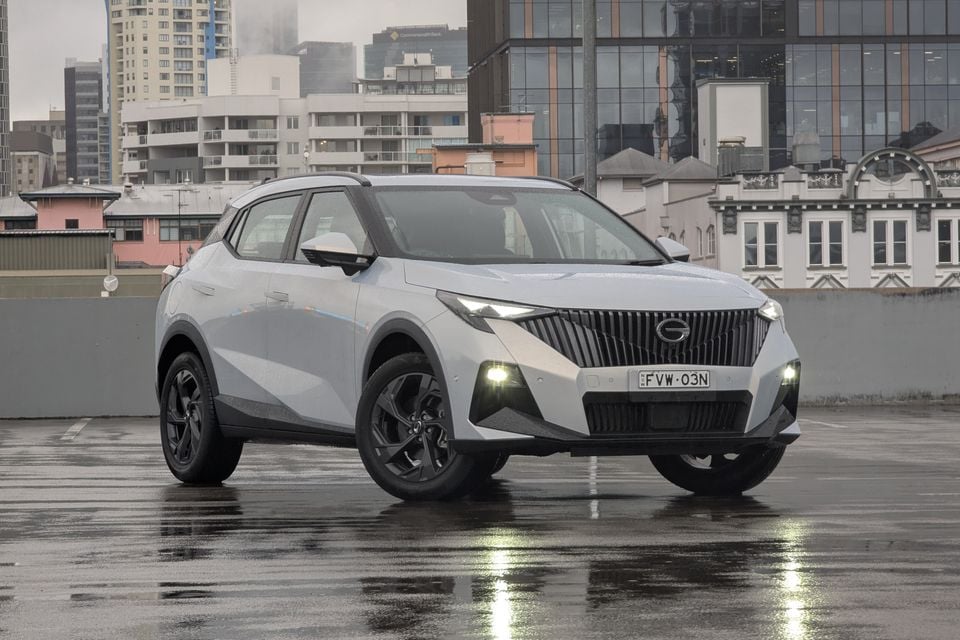
GAC Emzoom
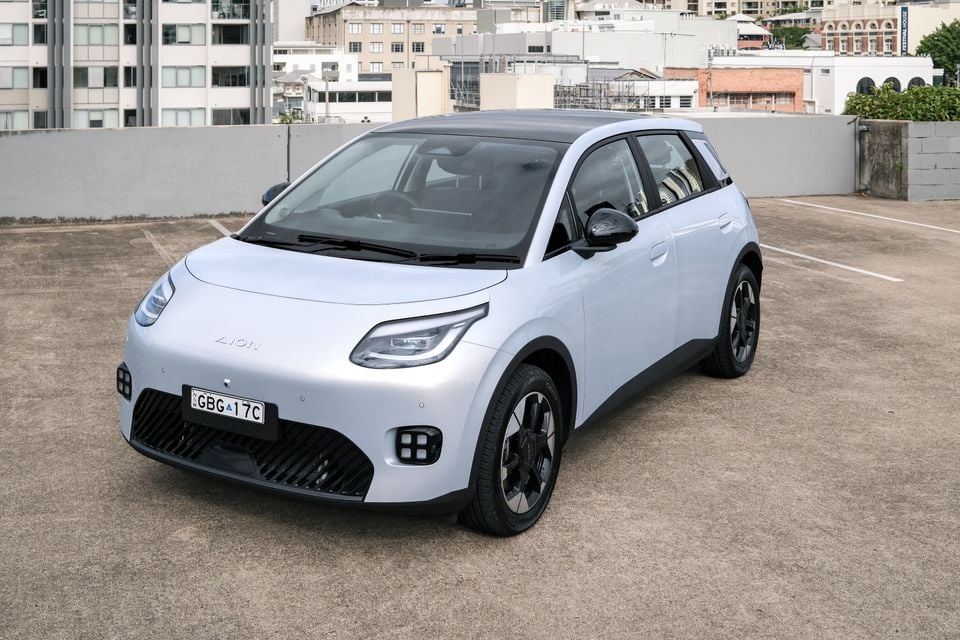
GAC Aion UT
What are considered separate brands in China – Haval, Tank, Wey – are treated as little more than sub-brands here, and every single GWM vehicle here also now wears a GWM badge on the tailgate.
GAC closely followed this strategy when it arrived here in 2025, with model from its Trumpchi and Aion brands sold under a single GAC banner. Even though Aion is treated as a standalone brand in some export markets, it’s considered little more than part of a model name in Australia.
The automaker has also previously flagged that models from its more premium Hyptec brand will be sold as GACs here.
SAIC Motor’s approach is a bit more complicated, as its vehicles are distributed by both itself (under the MG brand) and Ateco Automotive (the LDV commercial vehicle brand).
MG U9
LDV Terron 9
Some MG models sold here are borrowed from SAIC Motor’s China-only Roewe brand, which was established in 2006 initially to sell ex-MG Rover vehicles; the Chinese automaker couldn’t secure the rights to the Rover name, so it established the similar-sounding Roewe and even gave it a similar badge.
But SAIC Motor wisely decided to focus on the MG brand globally, under which it even sells various LDV/Maxus models in certain markets such as Thailand.
Here, though, we have separate MG and LDV model lineups, though the two brands do share a ute. Unusually, the two utes look almost identical but feature a significant mechanical difference, offering different rear suspension setups.
SAIC Motor’s more premium IM Motors brand arrived here last year, but MG opted to sell IM vehicles through its existing MG showrooms under the IM Presented by MG Motor banner. It's unclear if this strategy will change given slow sales of IM vehicles.
Zeekr X
Smart #
So while SAIC Motor has several brands in its home market – IM, Maxus, MG, Roewe, plus the new SAIC brand with Huawei and the Wuling brand with GM – it has just two here.
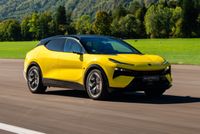
Geely technically has seven brands here, including a mixture of established brands it now controls – premium Lotus, Polestar and Volvo, plus mass-market joint-venture brand Smart – and its own namesake Geely brand, plus premium Zeekr and commercial vehicle specialist Farizon.
This approach does see some of the automakers’ models competing with each other, such as the Smart #1, Volvo EX30 and Zeekr X, all of which share the same platform. But Geely’s approach is more like that of the Volkswagen Group rather than Chery.
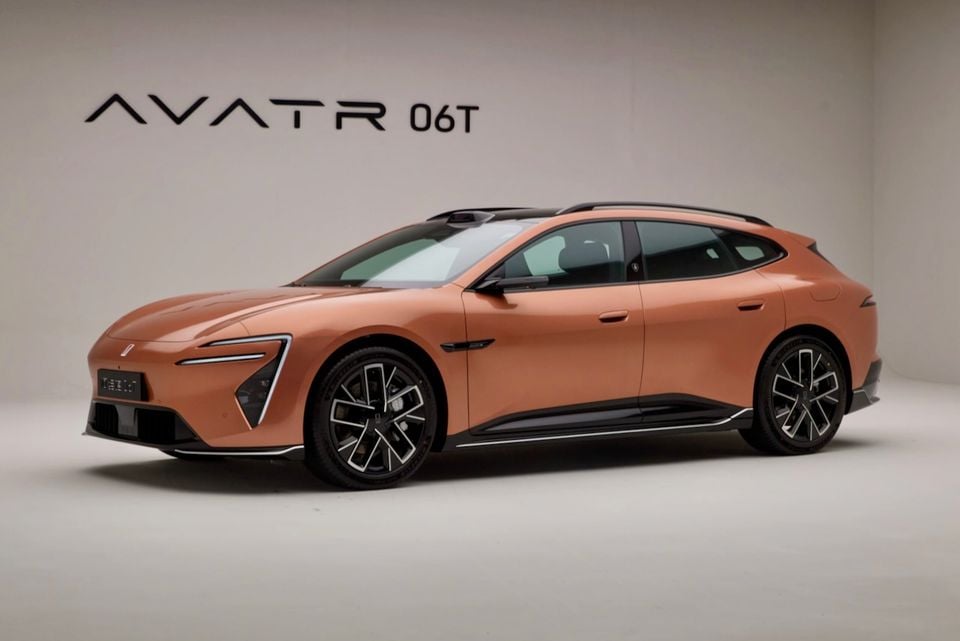
Changan is taking over distribution of its Deepal brand and introducing Nevo and Avatr in 2027, giving it a trio of brands that can be relatively neatly arranged from mass-market to premium.
Deepal E07 Multitruck
Avatr 06
But the dominant Chinese automaker in Australia as of September 2026 isn’t GWM or SAIC, which previously held the title, and it isn’t Chery. It’s BYD, whose namesake brand is currently Australia’s second-best selling brand year-to-date.
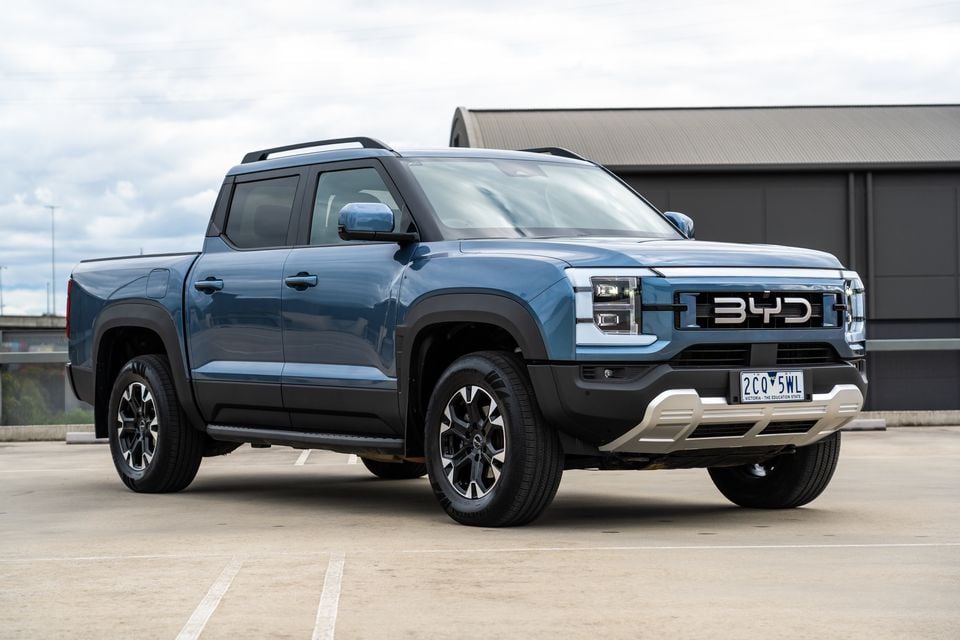
Under this brand, it offers everything from the $19,990 Atto 1 electric hatch through to the $72,990 M9 Premium plug-in hybrid people mover.
It finally launched a second brand with Denza, first customer deliveries for which commenced early this year. This brand sells models from two Chinese-market brands, Denza and Fangchengbao.
BYD opted not to launch the Fangchengbao brand here but appears to be flirting with bringing its flagship brand Yangwang here, with Australian Design Rule (ADR) certification documents revealing the Yangwang U8 has been approved for the Australian market.
Even if it brings Yangwang here, which we understand is unlikely, that’ll leave BYD with just three brands – less than half Chery’s tally.
BYD Shark 6
Denza B5
As at the end of September, BYD has delivered 79,953 vehicles in Australia so far this year across its BYD and Denza brands. That compares to 44,959 for GWM, 36,832 for MG (not including LDV), 42,910 for Geely (not including Smart, which doesn’t report its figures), and 53,478 for Chery.
With BYD growing its brands’ lineups but not necessarily the number of its brands here, and Chery expanding not only the lineups of each of its brands but also massively expanding the number of brands it has here, it remains to be seen which of the two Chinese automakers will be on top in a year or two.
BYD, like GWM and GAC, will have an even more sprawling lineup of models by then. But these automakers will likely have avoided the duplication of efforts in terms of marketing and dealer operations that Chery will be embarking on. Just look at Jetour as an example, with the brand being launched here with a separate retail network and even different back-office operations.
It’ll therefore be interesting to see not only how the sales race shakes out, but also what transpires for these Chinese automakers in terms of investment versus return. Though while sales figures are readily available, the latter information isn’t quite as easy to get…